-
Which Koi Varieties and Colors Are Best? A Complete Guide to Koi Keeping Methods
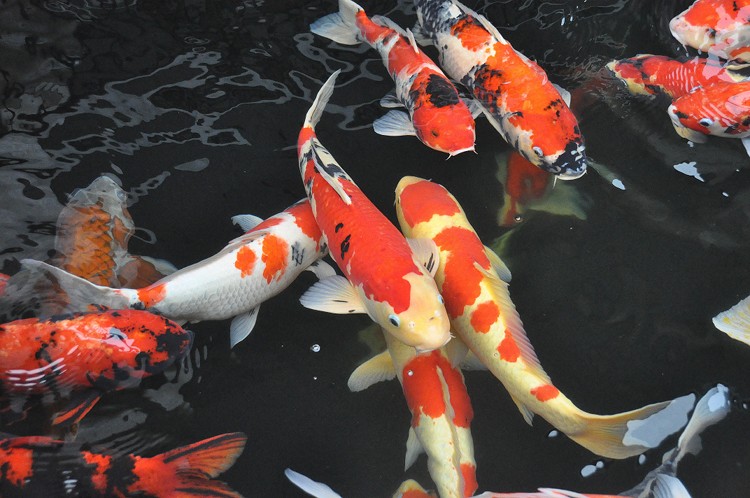
Koi have a robust and graceful build, brilliant colors, highly varied patterns and a majestic swimming style, giving them extremely high ornamental and keeping value. Their body length can reach 1-1.5 m. Koi are distinguished by different colors, patterns and scales. Among them, the Butterfly Koi was only successfully bred in the 1980s, with...
-
Which Koi Varieties Are Spirited? A Detailed Guide to Choosing Koi
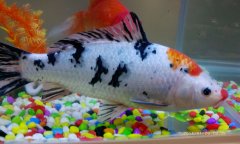
There are many ways to choose koi, and it is no exaggeration to say that you need to approach it from many angles. After all, koi are high-end ornamental fish, and koi prices fluctuate greatly, from a few dozen yuan to several hundred thousand or even over a million, and most importantly, there is no unified standard on the market for measuring them...
-
Which koi varieties are considered to have spirituality? Introduction to artificial breeding methods
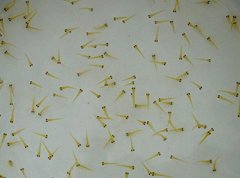
Artificial breeding of koi 1. Artificial natural breeding of koi Select parent fish of the same variety with excellent quality and good bloodline, and place them in an independent clean water pond or net cage at a male-to-female ratio of 1 : (2~3) to let them spawn naturally. 2. Artificial dry-method insemination of koi Select parent fish of the same variety with excellent quality and good bloodline...
-
Which koi varieties have good colors, and what feed do they eat every day?
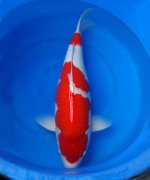
Daily feeding of koi Feeding is the most important part of daily management, and also the most interesting one. Every day beside the pond (or tank), watching the fish happily compete for the feed, the joy is truly endless. The feeding amount is something to pay attention to. Feed too little...
-

What koi varieties are there? Detailed explanation of the culling method for Kohaku koi fry
Kohaku koi fry culling. When selecting Kohaku, on the head of the small fish you must see the edge of the red patch, and the white of the mouth must be exposed, or there must be a broken pattern behind the mouth; this must be very clear. At the same time, it is best to choose ones with a large pattern on the head; the red patch must not cover the eyes, and you must be able to see...
-
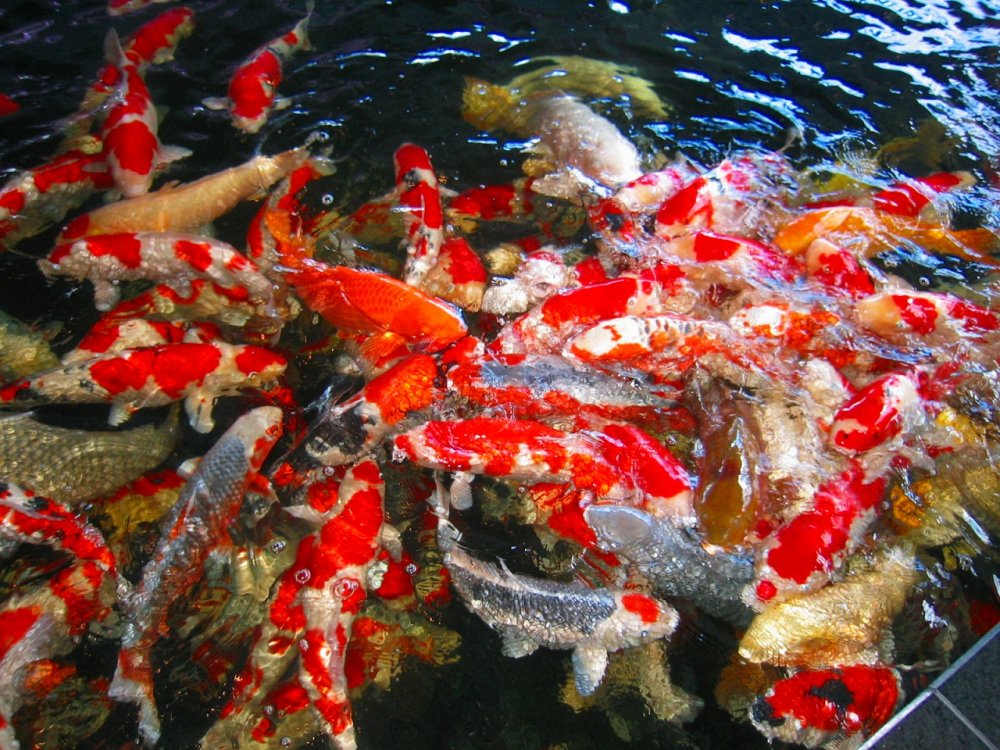
Which koi varieties are considered spiritual? A detailed guide to adult fish farming secrets
1. Stocking time: mid to late May. 2. Fingerling size: body length greater than or equal to 5cm. 3. Fish disinfection: before stocking the fingerlings, disinfect them using the following methods: ① 5% salt water solution, soak for 510min; ② 510mg/L potassium permanganate solution, soak for 510min. 4. Farming...
-
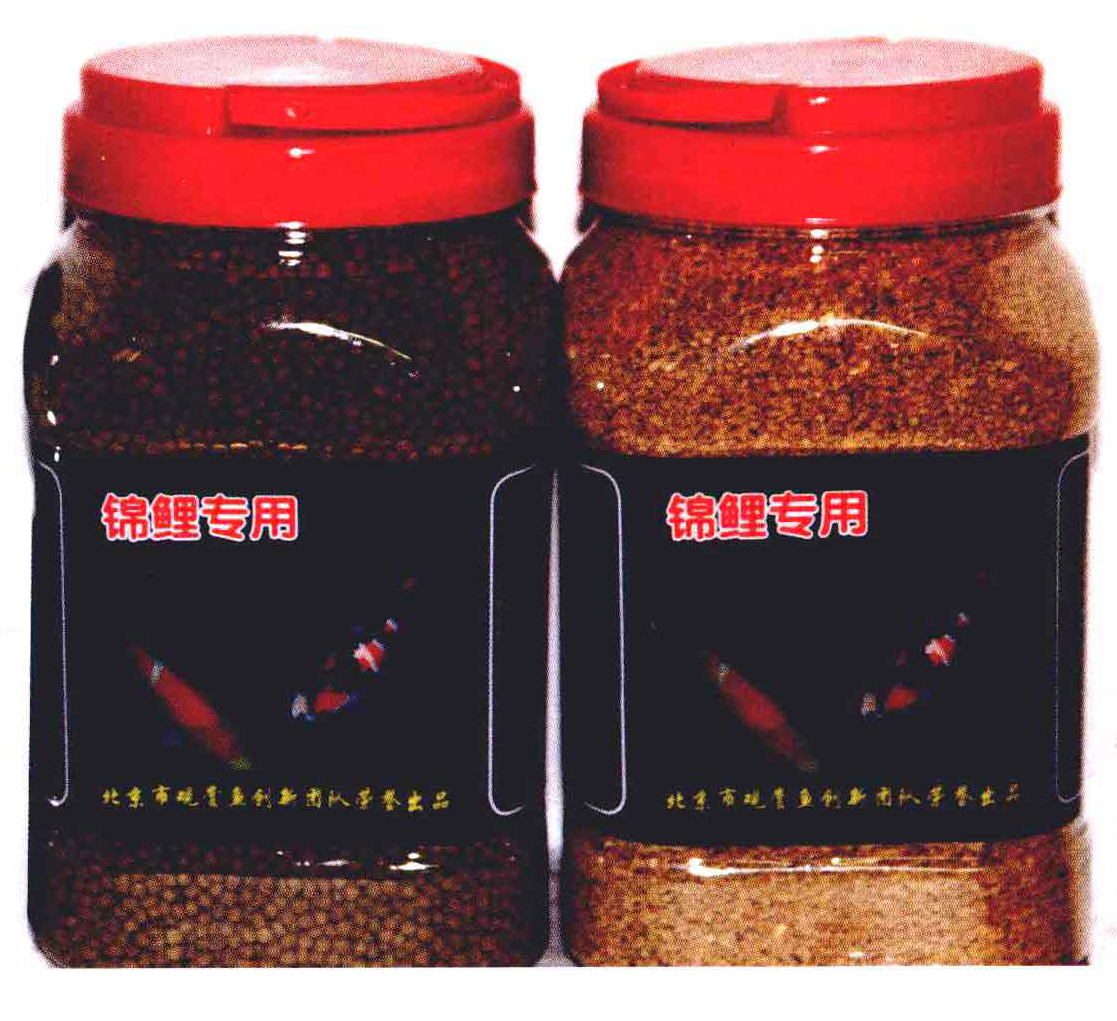
Detailed Guide to Koi Variety Selection Factors and Feed Knowledge
Koi feed can be divided into two types: natural bait and artificial compound feed. 1. Natural bait (1) Rotifers Rotifers have an extremely high reproduction rate and very high productivity, and are the opening feed for the larvae of most economically important aquatic animals. (2) Paramecia They are very small in size and widely distributed,...
-
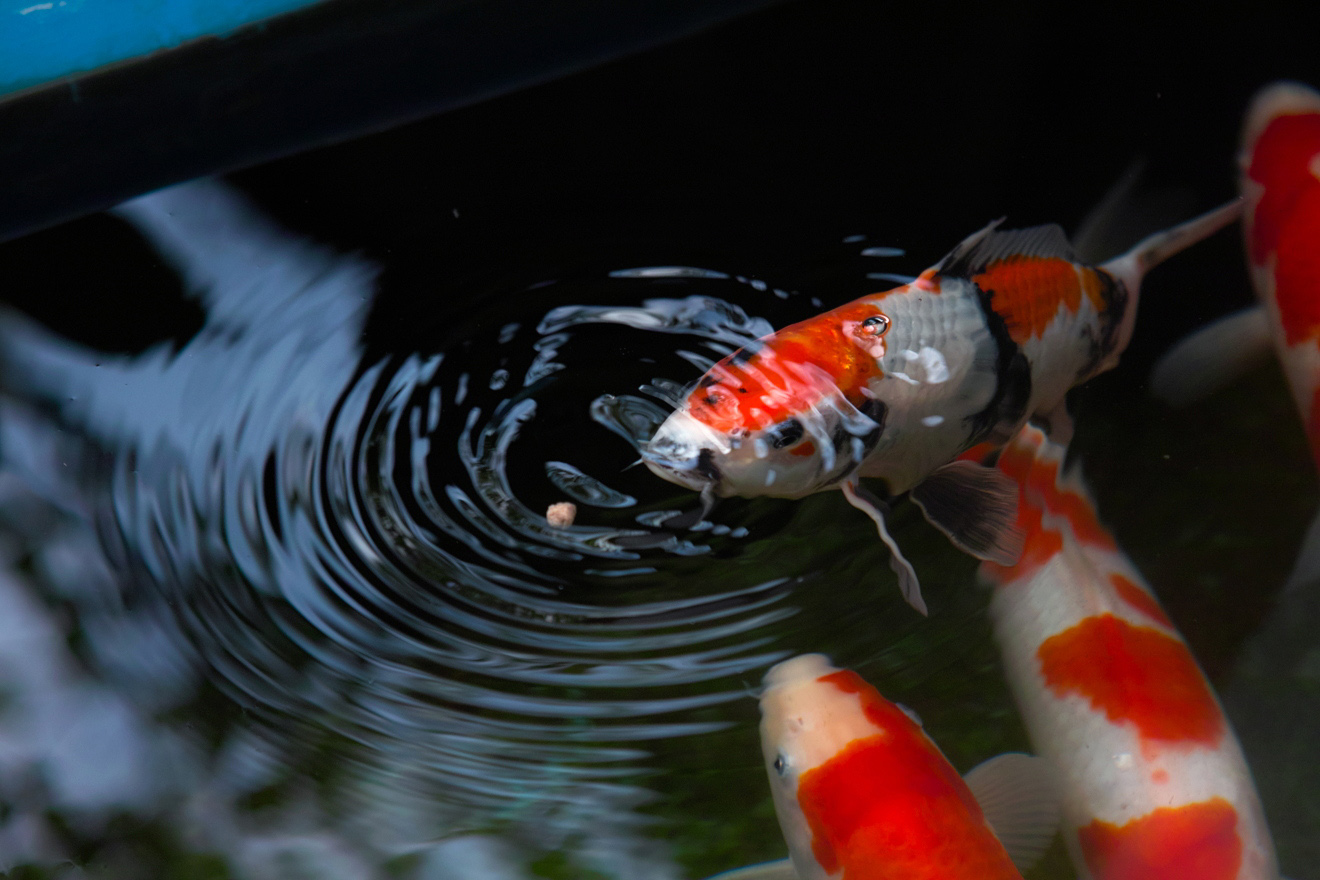
What koi varieties are there? Is this how you change the water for your koi?
Is this how you change the water for your koi? 1. Complete water change: 1. Unplug the power to the rearing equipment, scoop the koi into a container with water at a temperature similar to the original, and place an air stone from an air pump in it to add oxygen, to prevent the koi from suffering oxygen deprivation if the water change takes too long. 2. Drain the stale water in the tank with a...
-
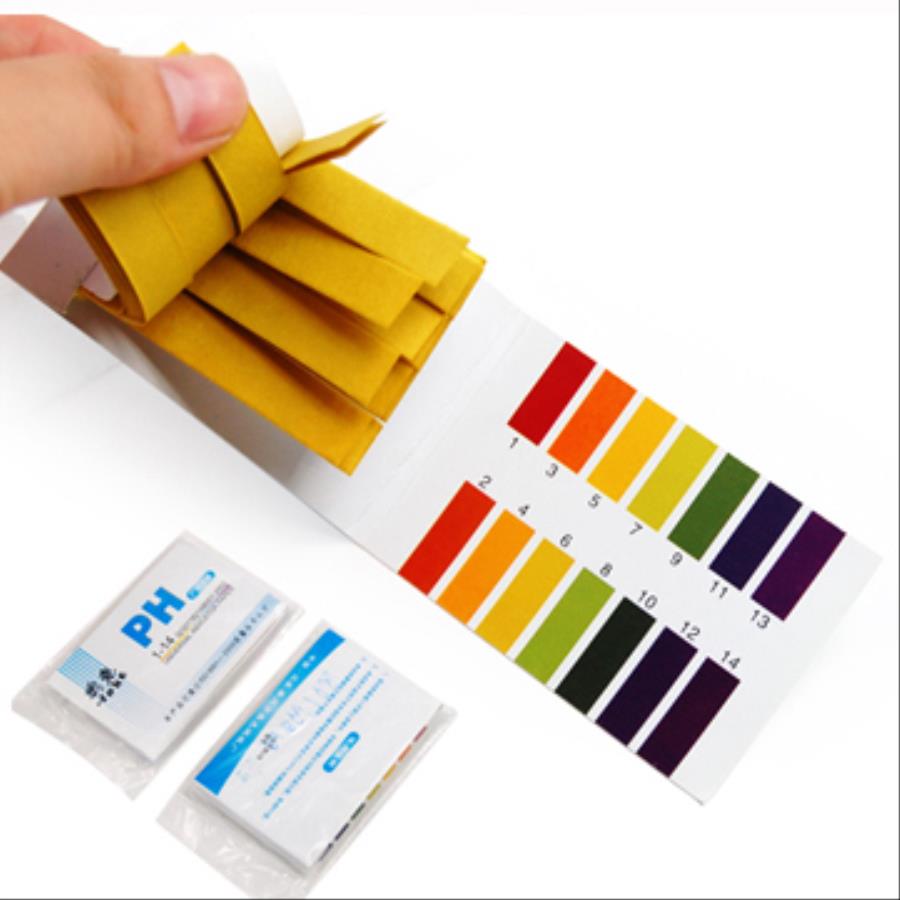
Differences Between Koi Varieties and a Detailed Guide to Aquarium Auxiliary Equipment
6. Scoop: either an aluminum scoop or a plastic scoop will do, so that koi can be lifted out together with the water without injuring the fish, ensuring the koi's safety. 7. Plankton net: this is a specialized net for collecting live food. 8. Temporary rearing tank for food: koi fish worms that have been collected or purchased cannot all be...
-
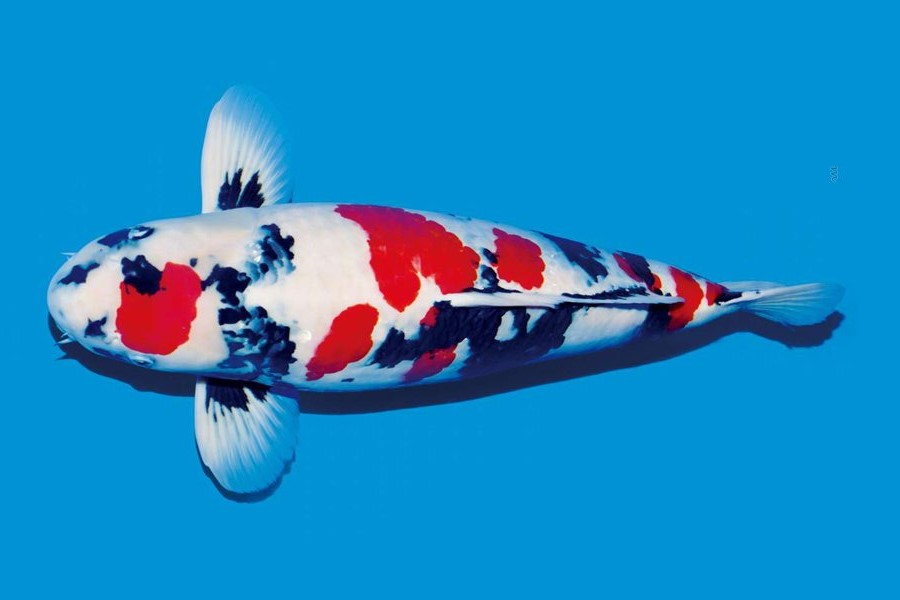
Detailed Explanation of Selection Techniques and Variety Selection Factors for Taisho Sanke Koi Fry
Taisho Sanke koi fry selection. For the selection of Taisho Sanke, the first step is to select those with white showing at the tip of the snout, with relatively good distribution of red patches on the body, and with sumi (black) markings distributed both front and back. Those with sumi on the head or without red patches are not selected. Those in which red patches are faintly visible beneath the sumi on the back are good fish. If...
条件筛选