-
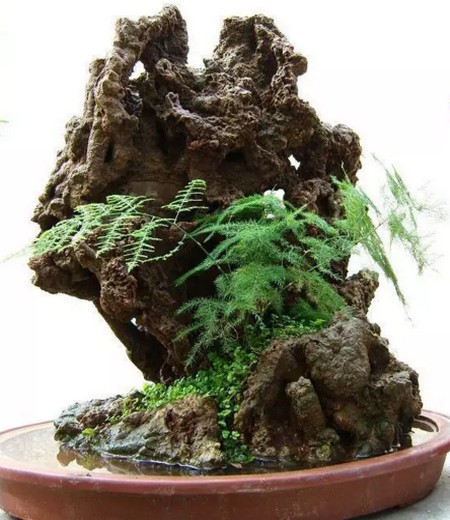
Introduction to Plants for Water-Absorbing Stone (Water-Uptake Stone) Bonsai: Understanding Plant Habits
Water-absorbing stone has strong water-uptake capability; after the pot is filled with water, it can absorb water to the top in an instant. Wild grass and moss can be planted on the stone, lush and verdant, making it an excellent stone for creating bonsai. Sand-accumulated stone is porous and brittle, but its water absorbency is very strong; limestone has slightly higher hardness, and its structure is denser than sand-accumulated stone. Water-absorbing stone
-
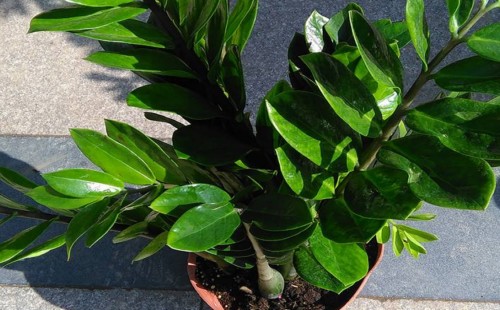
What happens when a money tree lacks water? Understanding plant habits and care
Whether a potted money tree is used for ornamental purposes, to accent a home environment, to purify indoor air, or even to improve home feng shui, it is often very practical. It is clear that the potted money tree has many uses for household users, therefore
-

Feng Shui Taboos for Plant Placement: Understanding Feng Shui Knowledge to Correctly Place Bedroom Plants
The bedroom is the most important resting place for everyone. You must sleep well at night so as not to affect the next day's work and study. If there are feng shui problems in the bedroom, it will not only affect our sleep, but also affect our physical and mental health.
-
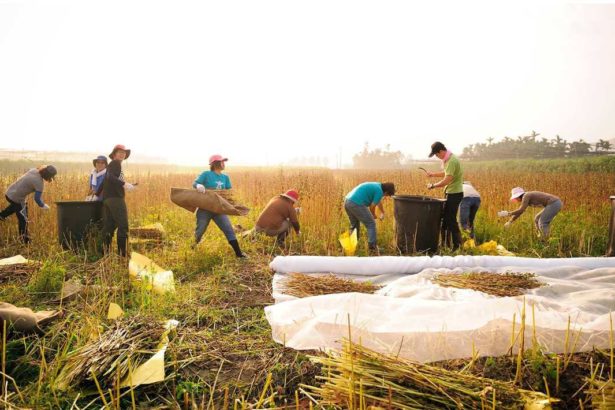
Taiwan Rural Front Summer Cultivation Grassroots Investigation Camp Recruitment: Down-to-earth Understanding of Rural Land
Taiwan Rural Front / Enter the countryside, understand this land down-to-earth, hurry and join the Summer Cultivation Grassroots Investigation Camp
-

What are the advantages of ecological pig farming? Farmers must understand
The advantages of ecological pig farming
-
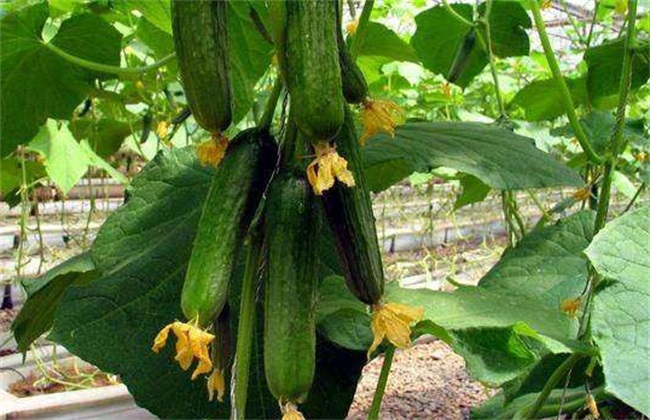
What are the precautions for growing cucumbers in summer? Read this article to understand
Precautions for growing cucumbers in summer
-

What are the propagation methods for peonies? Beginners can understand at a glance
The herbaceous peony counts as a rather precious flower, somewhat similar to the tree peony but also different. The tree peony is called the king of flowers, while the herbaceous peony is called the prime minister of flowers, and the herbaceous peony is also more commonly grown than the tree peony. The herbaceous peony is a perennial herbaceous plant with fleshy roots, native to northern China. Wild species are currently distributed in areas such as the Qinling Mountains and the Dabie Mountains
-

How to propagate and grow roses from bud cuttings? The method is easy to understand with illustrations
Roses are heavily pruned before winter, and the following spring a large number of new buds sprout up and down the branches. To make the plant shape symmetrical, concentrate nutrients, and produce abundant flowers, some of these new buds must be thinned out. These thinned spring buds, used as cutting material, have strong vitality and root easily, and after rooting they grow vigorously. It is a simple and easy propagation method
-
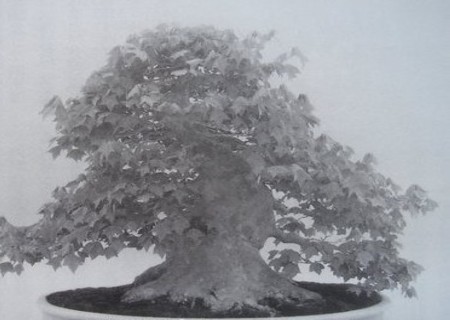
How to prune a maple bonsai? The whole process explained with illustrations so you understand at a glance
The best viewing period for maples is when the new leaves have just unfurled. If all the leaves are removed in late summer and a thin, diluted application of decomposed liquid fertilizer is given, new leaves will grow in about 20 days, adding another best viewing period. Maples have strong sprouting vigor and often produce new buds on the trunk. Any buds not needed for the design and any overly dense branches
-

Illustrated guide to the cleft grafting technique for bonsai, with detailed steps that are easy to understand at a glance
Grafting is the artificial joining of tissues such as a branch or bud from one plant onto a suitable part of another plant, such as a branch, trunk or root, so that they heal and grow together to form a new plant. This branch or bud is called the scion, and the plant that receives the scion is called the rootstock. Grafting flowers and trees places great emphasis on technique
条件筛选