-
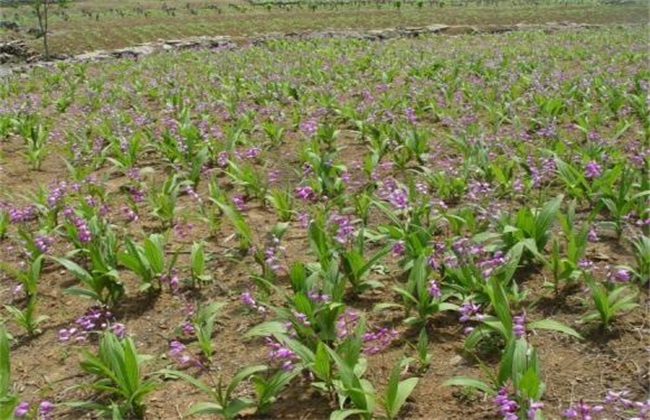
What are the risks of growing Bletilla striata? Growers need to understand them in advance
The cultivation risks of Bletilla striata
-
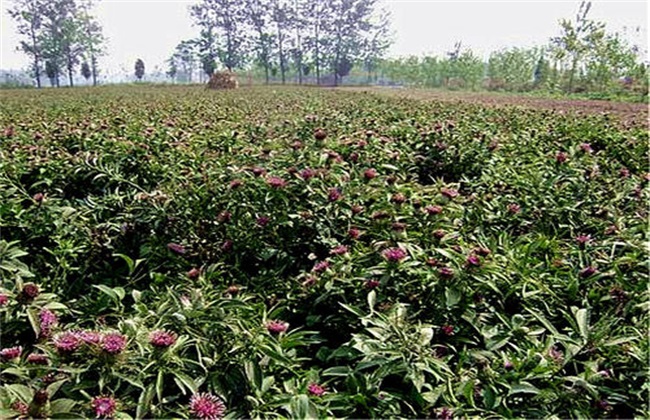
What are the risks of planting Atractylodes macrocephala? You need to understand them clearly before planting
Risks of planting Atractylodes macrocephala
-
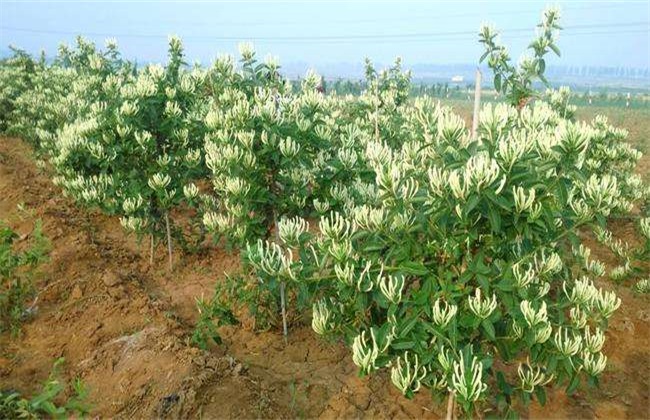
What are the growing conditions for honeysuckle? Understand the growth environment requirements in one article
Growing conditions for honeysuckle
-
What kind of medicinal herb is Angelica sinensis? A guide to understanding it
Herb name: Angelica sinensis Harvesting and processing: Angelica sinensis is generally cultivated until late autumn of the second year, when it is dug up, the stems, leaves, fibrous roots and soil are removed, and it is left to stand until the moisture evaporates slightly and the roots become...
-

How do you grow wild strawberries? First, understand its scientific name
How should wild strawberries be grown
-

What are the key points of field management for Sichuan lovage? Understand it in one article
Key points of field management for Sichuan lovage
-

What are the precautions for growing motherwort? Read this article to understand
Precautions for growing motherwort
-
Detailed Explanation of Notoginseng's Morphological Characteristics: A Comprehensive Understanding of the Plant's Features
Notoginseng is a perennial herbaceous plant, 30-60 cm tall. The main root is fleshy, mostly short conical in shape. The rhizome is short and thick, commonly known as "sheep intestine head." The above-ground stem is erect, smooth and hairless, solitary, unbranched, with longitudinal stripes. 3-6 palmate compound leaves are whorled at the top of the stem, with long petioles; the leaflets number 3-7, oblong-elliptic to obovate, 5-15 cm long, with finely serrate margins and bristles on the veins on both sides. The umbel is solitary at the top of the stem, with numerous flowers, bisexual, yellow-green when first opening, white when in full bloom; the calyx and corolla each have 5
-
How do you prune Schisandra chinensis? First, understand its growth habits
After wild Schisandra chinensis is cultivated artificially in farmland, in order to control tree vigor, avoid excessive overlap of branches and leaves, and prevent branches from tangling with each other, it should be pruned reasonably according to the growth habits of Schisandra chinensis. This makes the fruiting branches evenly distributed on the trellis surface, improves ventilation and light penetration, improves the field microclimate, enhances disease resistance, reduces nutrient consumption, promotes flower bud differentiation, and increases yield. 1. Heading back In the same year of sowing, Schisandra chinensis can grow to about 20 cm, and tall ones can reach more than 30 cm. Regardless of whether the seedling is tall or short, large or small, there should be 2 to 4 plump buds at the base
-
What is Goji Fish Rice? An article to help you understand specialty agriculture
Ingredients: mandarin fish, goji berries. Seasonings: salt, MSG, egg white, cornstarch, salad oil, stock, yellow rice wine, sesame oil. Method: (1) Debone the mandarin fish, mince it, and velveting it with a coating; soak the goji berries in water and set aside. (2) Slip the minced fish in warm oil briefly, then remove and drain; saute minced scallion and ginger in the pan, add stock, goji berries, and seasonings, then add the minced fish and stir-fry; thicken with a slurry, plate, and serve. Characteristics: tender, fresh, and smooth on the palate.
条件筛选