The key step in growing Chinese medicinal herbs is to choose varieties according to the soil type
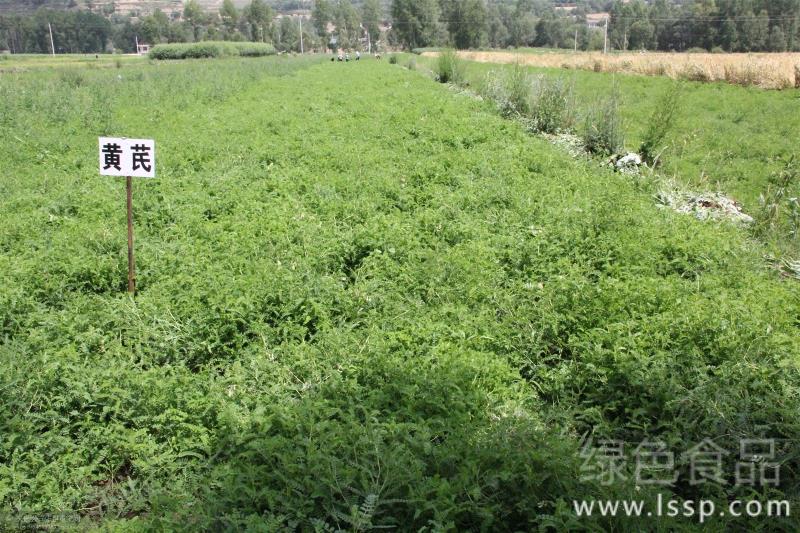
Medicinal herb cultivation
Different kinds of medicinal herbs have different growth characteristics, so choosing the right and good soil type according to the characteristics of the soil is a key step in growing Chinese medicinal herbs. With suitable soil, the medicinal herbs grown are not only good in quality and high in yield, increasing production and income, but also make rational use of land resources, achieving two benefits at once.
1. Barren hills and bare ridges. There are many kinds of medicinal herbs suitable for planting on barren hills and bare ridges. The main varieties include: dandelion, chrysanthemum, Achyranthes bidentata, Scutellaria baicalensis, Cynanchum paniculatum, Saposhnikovia divaricata, Polygala tenuifolia, Cornus officinalis, Forsythia suspensa, Aristolochia debilis, wild jujube seed, Japanese honeysuckle, goji, Schizonepeta tenuifolia, Lithospermum erythrorhizon, Dioscorea nipponica, and Bolbostemma paniculatum.
2. Saline-alkali sandy land. In saline-alkali sandy land, as long as the soil salt content is below 0.5%, with appropriate additional application of organic fertilizer and strengthened water, fertilizer and field management, a good harvest can likewise be obtained. The main suitable varieties are: blackberry lily, Atractylodes macrocephala, Glehnia littoralis, goji, Japanese honeysuckle, milk thistle, hemp, castor, wild jujube, burdock seed, Anemarrhena asphodeloides, Ephedra, and fennel.
3. Slightly acidic sandy soil. The varieties suitable for slightly acidic, mild, neutral sandy soil are mainly: Fritillaria, Astragalus membranaceus, Ligusticum chuanxiong, Atractylodes macrocephala, lily, Polygala tenuifolia, peony, Aster tataricus, Dioscorea nipponica, fennel, and safflower.
4. Fertile soil. Well-drained, loose, relatively deep, fertile sandy soil is suitable for planting chrysanthemum, Saposhnikovia divaricata, Platycodon grandiflorus, Codonopsis pilosula, perilla, safflower, Glehnia littoralis, Astragalus membranaceus, Isatis indigotica, Atractylodes lancea, Scutellaria baicalensis, Fritillaria, cassia seed, Phellodendron amurense, Angelica dahurica, Anemarrhena asphodeloides, Salvia miltiorrhiza, Atractylodes macrocephala, Chinese yam, and Tussilago farfara.
5. Drought-tolerant land. The main suitable varieties are: Bupleurum chinense, Polygala tenuifolia, blackberry lily, Astragalus membranaceus, safflower, Achyranthes bidentata, and goji.
6. Clay land plots. The suitable varieties are: Schizonepeta tenuifolia, Achyranthes bidentata, Trichosanthes kirilowii, coix seed, mint, Agastache rugosa, perilla, and cassia seed.
7. Idle scattered plots. Full use can be made of idle scattered plots such as urban parks, both sides of sidewalks, grounds of work units, in front of and behind buildings, as well as in rural areas in front of and behind houses, by riverside field ridges, and in farm courtyards, to grow Chinese medicinal herbs, which both beautifies the environment and brings economic income, achieving multiple benefits at once. For example: tree peony, peony chrysanthemum, ginkgo, dwarf lilyturf, Eucommia ulmoides, Sichuan pepper, goji, burdock, plantain, dandelion, Scutellaria baicalensis, Albizia julibrissin, Phellodendron amurense, Japanese honeysuckle, pagoda tree, Chinese honeylocust, cockscomb, castor, mint, Tussilago farfara, and so on.
8. Shaded land with little light. The main suitable varieties are: Arisaema, Pseudostellaria heterophylla, Bletilla striata, Stemona japonica, Angelica sinensis, Codonopsis pilosula, Viola mandshurica, Scutellaria barbata, and Fritillaria ussuriensis. These varieties like shaded environments, like warmth, are afraid of light, and prefer a relatively mild and moist climate.
9. Fertile, non-clay soil. Suitable for most medicinal herbs such as chrysanthemum, Schizonepeta tenuifolia, perilla, safflower, Glehnia littoralis, Astragalus membranaceus, Platycodon grandiflorus, Codonopsis pilosula, Bletilla striata, Saposhnikovia divaricata, and Isatis indigotica.
10. Poor soil. The suitable varieties are: licorice, Salvia miltiorrhiza, pollen, goji, Chinese yam, and cassia seed.