-

Detailed Guide to Cucumber Greenhouse Management in Winter and Spring
Cucumber, (scientific name Cucumis sativus Linn, English name Cucumber), a plant of the genus Cucumis in the Cucurbitaceae family. Also called hu gua and qing gua. The fruit is oily green or emerald green in color, with soft small spines on the surface. It is widely cultivated throughout China and is now widely grown in temperate and tropical regions.
-
How are two crops of eggplant grown in one year? Which varieties are good to plant from 2018 to 2020? Master these key points and you too can grow two crops of eggplant in one year!
Eggplant is a fairly common vegetable on the dining table. Because of its high nutritional value and low price, it is widely eaten. At present, it is grown in most regions, and in most of those growing regions, it is one crop per year. In fact, eggplant can also be grown as two crops per year. So
-
Master Two Key Points of Beekeeping Technology: Luring Bees into an Empty Hive and Preventing Them from Absconding
Everyone is familiar with bees. As wild honey becomes more and more expensive, many people have begun to domesticate the Chinese honey bee (Apis cerana), which has become a source of pure honey in China and also brings income to farmers. So how do you lure bees into an empty hive? How do you keep bees from absconding?
-
How to Propagate Orange Jessamine (Aglaia odorata)? Two Propagation Methods and Key Points Explained
Unlike many flowering plants, orange jessamine is best propagated during the plum rain season in summer. This plant has rather particular habits and prefers a high-temperature, high-humidity environment during propagation, which is when it is easiest to keep the cuttings alive. Generally, there are three methods for propagating orange jessamine.
-
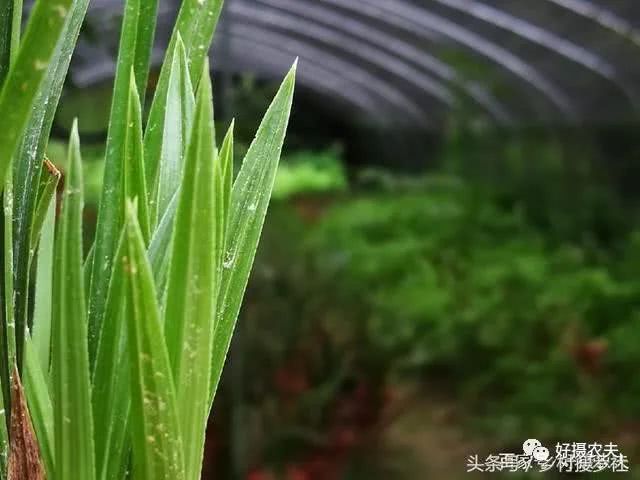
What to Do When Orchid Leaves Turn Yellow and Withered? Two Key Points to Help Beginners Make an Accurate Diagnosis
Orchids are the easiest to keep alive, yet also the hardest to keep thriving. This is because they require special care not only during the flowering period, but also when they are not in bloom you cannot afford to be careless, otherwise the leaves can easily develop scorched yellow patches, black spots and so on, greatly reducing their ornamental value. Especially during the plum rain season, orchid...
-
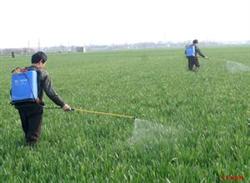
Two key points to master when spraying insecticides
First, choose the favorable time period for application according to climate characteristics and the pests' day-and-night activity patterns. The best application times are 9-10 a.m. and after 4 p.m. This is because at 9-10 a.m., the dew on crop leaves has already dried, and it is precisely when diurnal pests are most active. Applying the insecticide at this time will not...
-
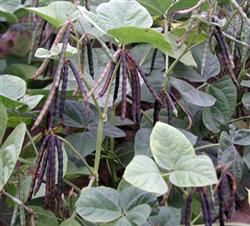
High-Yield Mung Bean Cultivation Techniques, Part Two: Detailed Explanation of Key Planting Points
V. Timely Hoeing and Ridging, and Topdressing. Currently, mung bean production involves low input and extensive management, resulting in relatively low yields, so field management should be strengthened. Especially during the seedling stage, mung beans grow slowly and are easily overwhelmed by weeds, which affects their growth and development, making timely management even more important. During the growth period, generally before flowering and pod setting, 3 rounds of inter-row cultivation and weeding should be carried out (three hoeings...
-

How to manage large cherries in autumn? Focus on these two key points
1. Cultivation of compact fruiting branch groups. When the space where a branch is located is relatively small or the branch is on the back of a main branch, it should be cultivated into a compact small fruiting branch group. Cultivation method: for branches on the upper part of the main branch and on its back, twist the shoots during the growing season or pinch the tips repeatedly and then let them grow untrained; for branches not treated during the growing season, during the dormant period, cut them very severely short...
-
Two key points to note when growing asparagus fern
1. Repotting the potting soil: Asparagus fern should be repotted once every one to two years. 2. Pruning: The best time to prune asparagus fern is in spring. The pruning method is to trim appropriately according to the plant's tendency to lean toward light, so as to maintain its shape. As long as you pay attention to these two points, there should not be much of a problem with your asparagus fern growing well.
-

How to fertilize Pachystachys lutea? Master two key points and four techniques
Although Pachystachys lutea arrived in China relatively late, it quickly became extremely popular because it has many uses, so more and more people are growing it. To grow it well, you need to understand its cultivation methods, and fertilization is a very important part of that
条件筛选