-
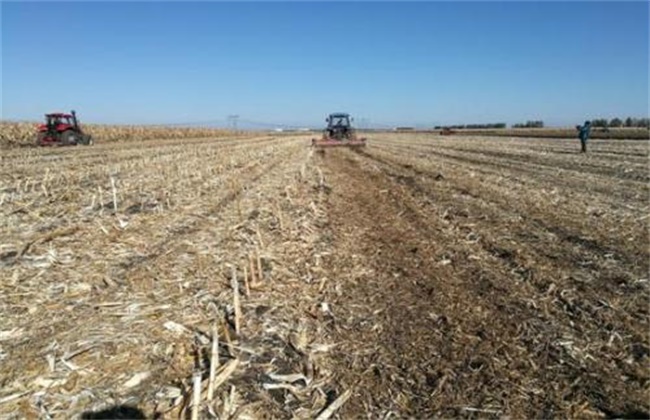
What are the benefits of returning corn stalks to the field?
Benefits of returning corn stalks to the field
-
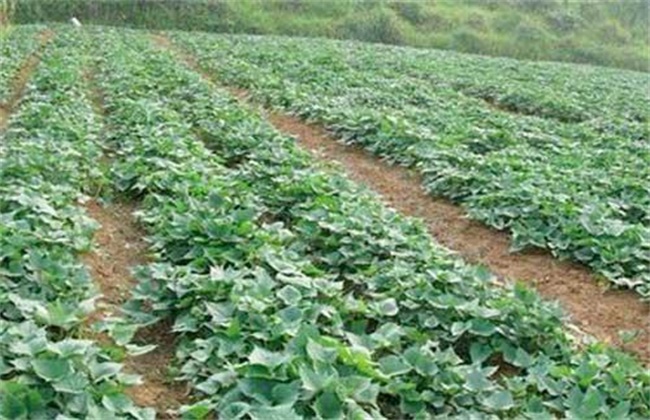
What are the reasons for turning sweet potato vines and what are the precautions?
Reasons for turning sweet potato vines and precautions
-
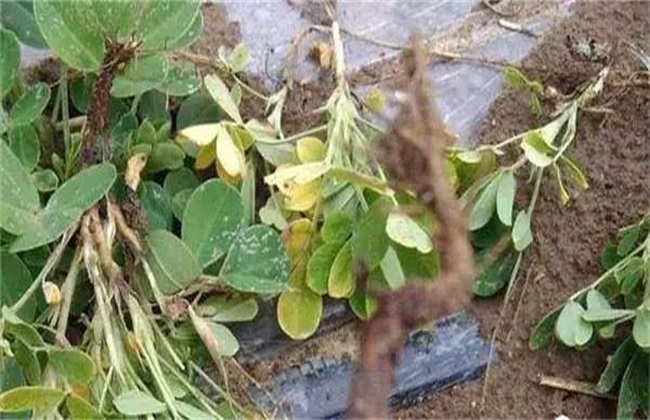
Why are peanut leaves turning yellow? Find the cause and solve it easily
Causes of yellowing peanut leaves and solutions
-
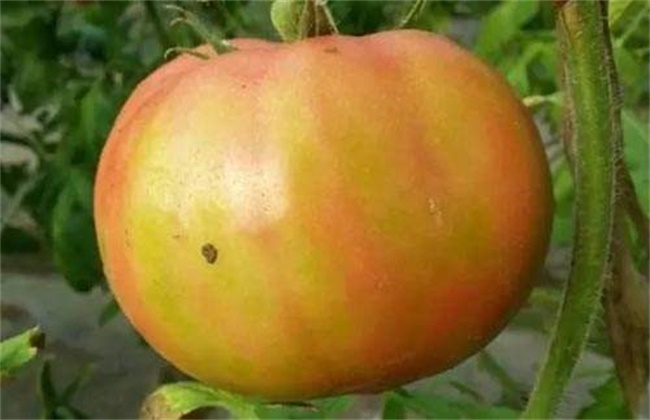
What should you pay attention to during the tomato color-turning stage? These key points you need to master
Notes on tomato color turning
-

Detailed Explanation of Key Management Techniques for Rice at the Green-Returning Stage
Management Techniques for Rice at the Green-Returning Stage
-

What are the key technical points and precautions for returning rice straw to the field?
Rice straw return technology and precautions
-

Rice seedlings turning yellow, leaves curling, leaf-rolling: what to do? A detailed guide to prevention and control
There are many causes of the rice leaf-rolling phenomenon, and the most common one is the rice leaf roller (Cnaphalocrocis medinalis). Damage characteristics: the larvae bind silk to roll rice leaves lengthwise into larval cases, and the larvae hide inside and feed on the mesophyll, leaving only the epidermis, forming white streaks, which reduces the 1000-grain weight of rice, increases empty grains, and causes yield loss. Control agents: 1. Select rice varieties resistant to (or tolerant of) the pest, fertilize reasonably, so that the rice grows and develops vigorously, and prevent excessive early growth and excessive tillering as well as late-season stay-green and delayed maturity. Manage water scientifically, adjust the drainage (field-drying) time appropriately, and reduce field humidity during the larval hatching period
-
Detailed Explanation of the Technical Key Points for Returning the Full Amount of Wheat Straw to the Field
Crop straw is an important by-product of crops. It is also an important production resource for agriculture and industrial production. Returning crop straw to the field not only avoids the environmental pollution problems caused by rotting and burning, and achieves feeding the land with the land itself, but also consolidates the foundation of soil fertility for greatly increasing soil organic matter content, improving soil structure, building up soil fertility, strengthening the quality construction of cultivated land, and raising crop yield and quality. In every agriculturally developed country in the world, great attention is paid to the scientific rationality of the fertilization structure and the
-
Correct Methods and Technical Key Points for Returning Rice Straw to the Field
1. Rice straw mulching in wheat fields. After wheat sowing is completed, use 250-300 kg of rice straw per mu, cut into 10-20 cm straw segments, and spread evenly over the field so that the straw does not form piles and the soil is not left exposed. 2. Rice straw mulching in rapeseed fields. When transplanting rapeseed, plant the seedlings according to the specified spacing into holes with sufficient basal fertilizer, cover with soil, and then evenly spread rice straw over the whole field at 300 kg/mu, so that the straw does not cover the holes (seedlings) and the soil is not left exposed, while also applying integrated chemical weed control and necessary field management measures. 3. Drainage and
-
What Are the Benefits of Returning Wheat Straw to the Field? Methods and Precautions Explained in Detail
I. Benefits of Returning Wheat Straw to the Field. Returning wheat straw directly to the field not only reduces the number of tillage operations in the wheat field and lowers the cost of @#@245@#@ production, but also achieves rational use of the high-stubble wheat straw resource, avoids the practice of burning wheat straw, and helps conserve soil and water. After wheat straw is returned directly to the field, the straw covering the plow layer can reduce surface runoff during the rainy season, lessen soil compaction and cracking, and improve the soil's capacity to store water and conserve moisture; after the wheat straw decomposes, it can increase soil organic matter content, improve soil physical and chemical properties, and provide crops with various nutrient elements
条件筛选