-
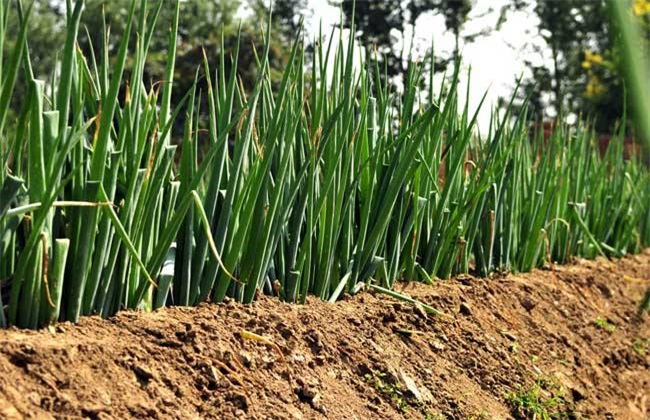
A Complete Guide to Scallion Preservation Techniques: Learn These Tricks to Store Them Longer
Scallion Preservation Techniques
-

How to control vegetable aphids? 8 clever tricks to leave them nowhere to hide
Grandpa Sun has 5 vegetable greenhouses at home, mainly growing lettuce. These past few days he found that two of the greenhouses had "uninvited guests" - aphids. Grandpa Sun said the aph...
-

What are the methods for preserving garlic bulbs? Practical storage tips to teach you a few tricks
Garlic bulbs do not store well. Even in a dry, ventilated environment, after 100 days of storage they will sprout, shrivel and become moldy, affecting the planting quality for the following year. Therefore, mastering the storage techniques for garlic after harvest is extremely important. Here four garlic bulb storage and preservation techniques are specially introduced: 1. Hanging storage method. After harvest, the fresh garlic bulbs are first sun-dried for 2-3 days; when the leaves become soft, tie the garlic into bunches of 8-10 bulbs each, then hang them neatly under a shade shed or eaves to air-dry naturally. During the hanging storage period, exposure to the sun should be avoided in summer and autumn, and in winter the garlic bulbs should be moved into a ventilated room for storage to avoid moisture and freezing.
-
Garlic scape harvesting has its tricks: learn the correct harvesting method
1. Garlic scapes must be harvested at the right time. Harvesting too early results in low scape yield because the scape has not fully emerged, and after harvesting an extra segment of "surplus scape" will still push out. Harvesting too late not only affects the fresh, tender quality of the scapes because they have become "over-mature," but also, since after the scapes are harvested the leaves are already nearing senescence and supply less energy to the underground garlic bulbs, it reduces bulb yield. The most suitable harvesting time is: when the scape has emerged and the "scape tip" has curved nearly one full circle. 2. Harvesting garlic scapes leaves a "wound" on the whole garlic plant. If harvesting under strong sunlight on a clear day
-
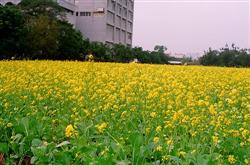
New tricks for winter management of rapeseed: master the methods to help it overwinter
Generally, the boron content in cruciferous crops is higher than in monocotyledonous crops; usually, crops with a high boron content also have a high boron requirement. Boron can promote the normal development of the reproductive organs of boron-loving crops such as rapeseed, accelerate pollen germination and pollen tube elongation, and facilitate fertilization and seed setting. When boron is deficient, these organs may wilt...
条件筛选