-
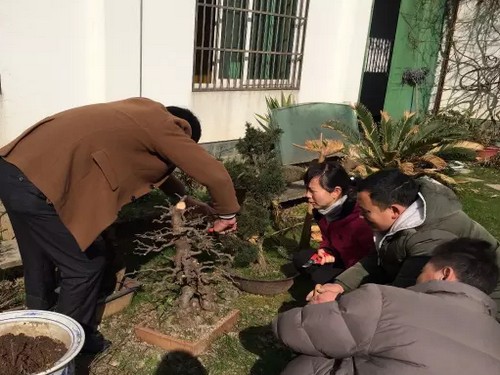
Detailed Explanation of Bonsai Pruning Techniques: Prune This Way for a More Beautiful Tree Shape
Bonsai pruning is synonymous with the means of shaping potted trees. Although there are also techniques such as wiring, pulling and hanging, guying, carving, and grafting, they are often conventionally grouped under pruning. As the main means of bonsai styling, it not only incorporates related techniques but also embodies styling concepts and compositional creativity within the "cut."
-
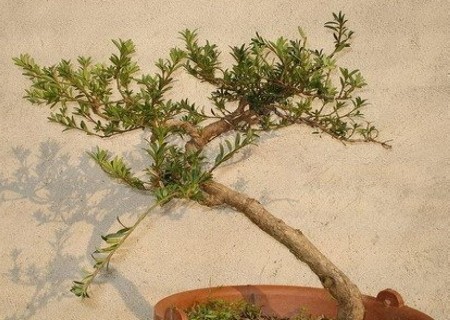
Podocarpus bonsai styling illustrated guide, teaching you to prune a beautiful tree shape
Generally speaking, any tree shape can be styled; in fact, there are no restrictions on trunk diameter or thickness, or on how the branches divide, but how beautifully it is shaped depends 70% on the skill of the horticultural stylist and 30% on later maintenance. If either part is missing, it is very difficult to produce an exquisitely styled, superior Podocarpus bonsai.
-
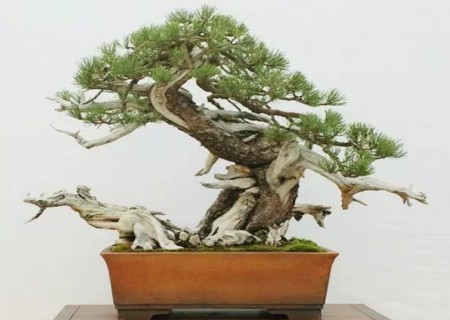
Detailed explanation of pine bonsai styling techniques, easily create a beautiful tree shape
Pine bonsai works are created with grandeur and masculine energy as their main expressive characteristics. They love sunlight yet have strong drought tolerance, and prefer to grow in soil environments with excellent breathability and drainage. The styling process of pine bonsai is a process of completing artistic creation
-
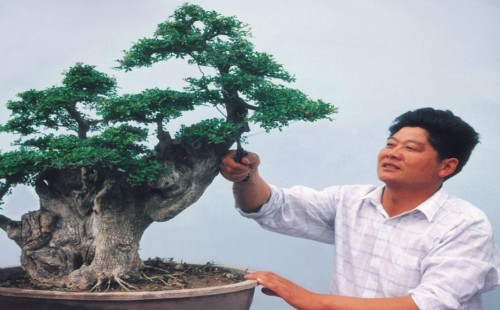
Bonsai pruning techniques for Chinese fringe tree (Chionanthus retusus): easily maintain a beautiful shape
The Chinese fringe tree bonsai is a work created through deliberate processing by people. Although it undergoes long-term pruning to maintain a perfect shape, it has not lost its vitality and often continues to grow. Conversely, if pruning is not carried out in time during normal care, as new branches keep sprouting and growing
-
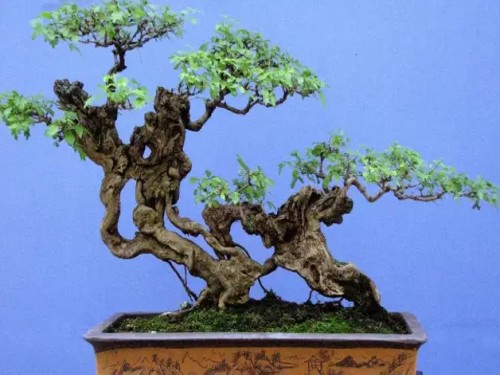
A Detailed Explanation of the Methods for Designing and Conceiving Tree Bonsai Shapes
Tree bonsai takes trees as its main subject. Because the materials used differ, it is usually further divided into two major categories: tree scenery and stump scenery. Tree scenery is made by using young trees as material and carrying out artistic processing, so it is often called "cultivated from youth." In the creation of tree bonsai, for a bonsai to deserve to be called an excellent work, all its parts must be seamlessly integrated and unified in harmony
-
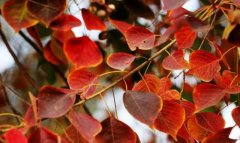
What season does the Chinese tallow tree bloom? Reasons for its curved trunk shape and wood characteristics
The leaves of the Chinese tallow tree change color with the seasons and climate, just like the poinsettia. When the climate gradually turns cool and autumn and winter slowly arrive, the leaves change from emerald green to yellow and orange-red, and then to red or reddish-brown, which is
-
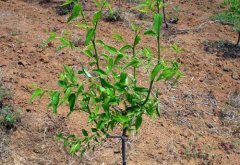
How to plant red jujube saplings and train their tree shape, and what are the common pests and diseases?
How should red jujube saplings be planted and trained into a tree shape? What are the common diseases in red jujube cultivation and how are they controlled? At present, red jujube trees are mostly grown with dwarfing cultivation, with tree height 1.5 to 2.5 m, which makes it convenient to pick fruit in pick-your-own orchards. Therefore, after the saplings are planted, the branches should be gradually pulled down to dwarf the tree.
-

What tree shapes are suitable for almond? Key points of training and pruning techniques
According to the light-loving characteristics of almond, adopting a tree shape with an open canopy and good ventilation and light penetration makes it easy to obtain high yields. Suitable tree shapes include the round-headed shape, the tiered shape, the cup shape and the natural open-center shape, among which the natural open-center shape is used more often. After the young seedlings are planted, the trunk is headed at 60-100 cm. If the planted seedlings already have branches but these cannot be used as main branches, keep a few buds at the base of these branches and carry out relatively heavy renewal pruning; in the spring of the 2nd year, when the new shoots reach about 10 cm in length, select and retain 3
-
Detailed Explanation of High-Light-Efficiency Tree Shape Renovation Techniques for Kernel Apricot
In regions where kernel apricots are cultivated, we found that due to the influence of traditional habits, most fruit growers either do not prune or prune unreasonably. Each tree has an average of 8 to 10 large branches, the tree shape is chaotic, the proportion of complete flowers is low, the fruiting zone moves outward, the canopy is closed and shaded, and the small fruit-bearing branches in the lower part die prematurely due to shading, resulting in late fruiting, low yield and poor quality of kernel apricots. Therefore, high-light-efficiency tree shape renovation must be carried out to improve quality and efficiency. High-light-efficiency tree structure for kernel apricots After several years of exploration and practice, we believe that the high-light-efficiency tree shape for apricot should be
-

How to prune a Money Tree? 5 methods with illustrations to help you create a beautiful shape
As a foliage plant with an auspicious meaning, the Money Tree is loved by many people for its leaves that resemble copper coins, and many grow it as a potted plant at home. However, if you want your Money Tree to look good, besides paying attention to water and fertilizer, proper pruning is key. So how do you prune a Money Tree? Here are illustrated pruning methods for the Money Tree
条件筛选