-

How to Raise Seahorses? Detailed Explanation of Breeding Methods and Technical Key Points
Seahorses have a curved neck, with a long snout and head, and look similar to horses in appearance. They are a precious traditional Chinese medicine with relatively high economic value. So, how do you raise seahorses? 1. Artificial breeding of broodstock. For seahorses, healthy, intact, large and plump male and female individuals aged 1 year to 2 years can be selected as broodstock.
-
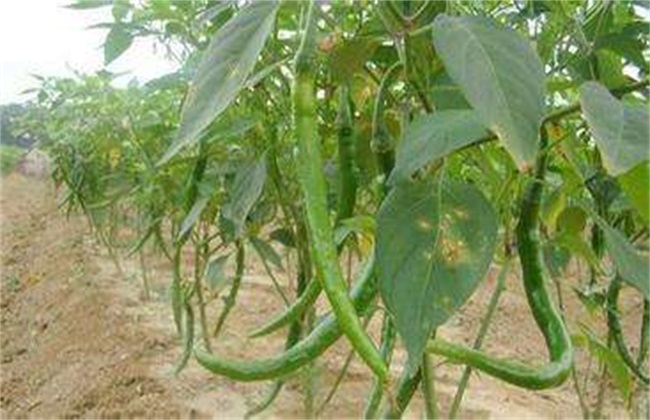
What causes curved peppers? An analysis of the latest reasons
The normal shape of peppers is generally straight, but in cultivation and production it is often found that besides straight ones, there are also many curved ones, sometimes even ones curved into a loop, and there are also peppers curved to the point of being twisted. So why is this? Why do they grow abnormally?
-
Is bitter sowthistle the same vegetable as curved sowthistle? An introduction to the differences between the two
The scientific name of bitter sowthistle is Sonchus oleraceus (common sowthistle), an annual or biennial herb. The whole plant is used as medicine, with the effects of clearing heat and detoxifying, cooling blood and stopping bleeding, removing dampness and lowering blood pressure. So, is bitter sowthistle curved sowthistle? 1. Is bitter sowthistle curved sowthistle? Bitter sowthistle is not curved sowthistle. The differences are as
-
The belief that live "bow fish" (fish bound into a curved shape) are fresher is a misunderstanding: sea bass suffer, and their freshness actually declines; animal welfare groups urge consumers to refuse to buy them
The idea that "live bow-bound fish are fresher" is a cruel misunderstanding: sea bass are subjected to stress and suffering, and their freshness declines; animal welfare groups call for a boycott
-
-
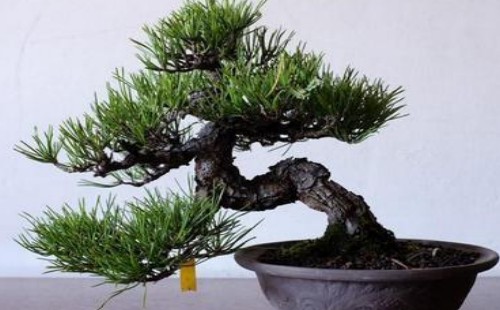
What are the shaping techniques for curved-trunk bonsai?
Curved-trunk bonsai not only have very elegant postures, but also present varied, rich and colorful forms; however, the shaping methods used are all the same, changing in countless ways yet never departing from their fundamental principle. Precisely because of this, we are often required to pay attention in daily life to observing the growth forms of various tree species in nature
-
What season does the Chinese tallow tree bloom? Reasons for its curved trunk shape and wood characteristics
The leaves of the Chinese tallow tree change color with the seasons and climate, just like the poinsettia. When the climate gradually turns cool and autumn and winter slowly arrive, the leaves change from emerald green to yellow and orange-red, and then to red or reddish-brown, which is
-
Straight Cucumbers vs. Curved Cucumbers: Which Is Better? Reasons Cucumbers Grow Crooked and How to Fix It
Straight Cucumbers vs. Curved Cucumbers: Which Is Better? What to Do If Cucumbers Grow Crooked?
-
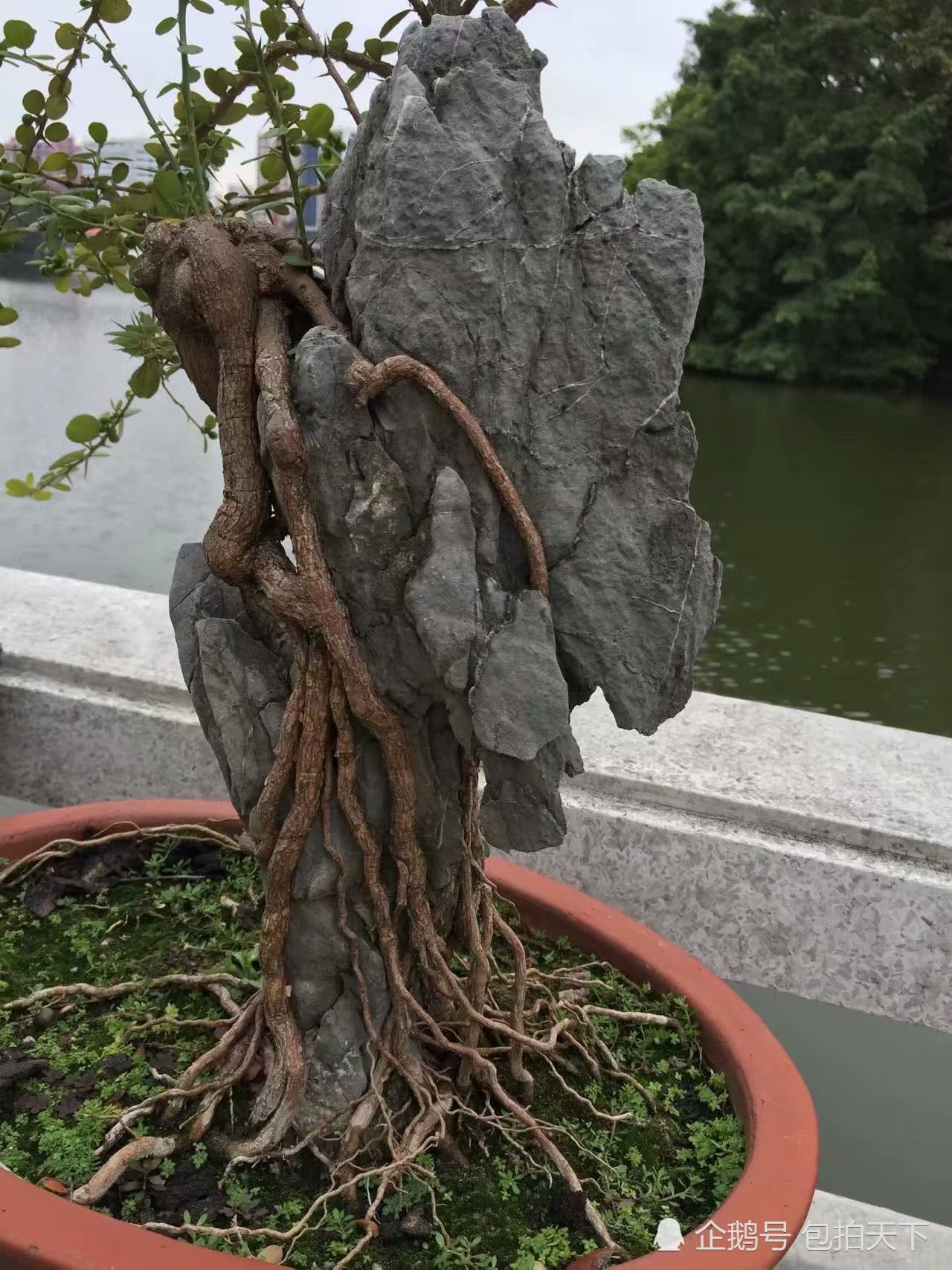
Bonsai Appreciation: An old, curved trunk grows clinging to the rock, its exposed roots and scaly bark seeming ready to leap into the sky
Lingnan rock-clinging bonsai appreciation Lingnan rock-clinging bonsai appreciation Lingnan rock-clinging bonsai appreciation Lingnan rock-clinging bonsai appreciation Lingnan rock-clinging bonsai appreciation Lingnan rock-clinging bonsai appreciation Lingnan rock-clinging bonsai appreciation Lingnan rock-clinging bonsai appreciation Lingnan rock-clinging bonsai appreciation Ling...
-

How the ammonite shell gradually became curved
Ammonites are the collective name for animals of the subclass Ammonoidea, class Cephalopoda, phylum Mollusca, an extinct group of marine organisms. They arose in the Early Devonian, survived multiple mass extinction events, and finally at the end of the Cretaceous, along with the dinosaurs...
条件筛选