-
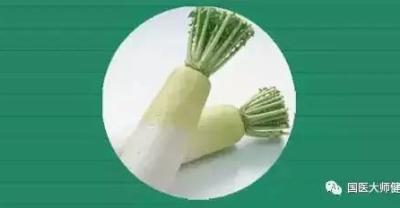
One vegetable plus one fruit, very effective for treating bloating
Many of us have the problem of bloating. Some people don't understand their own digestive system and often tell me they keep having stomachaches, burp after eating, can't eat and have no appetite...
-

Pig Farming Techniques: Four Acupuncture Therapies Available for Treating Sick Pigs
Acupuncture, that is, the method of preventing and treating disease by means of needle piercing and moxibustion, is a wondrous treatment method in traditional Chinese medicine. In fact, not only can people treat illness with acupuncture, pigs can too...
-

Two Sessions Focus: The key to technological innovation lies in treating frontline craftsmen well
[Two Sessions] The key to technological innovation is treating frontline craftsmen well
-
How should the two farmers' paths of advancing and retreating be taken?
The two farmers' paths of advancing and retreating
-
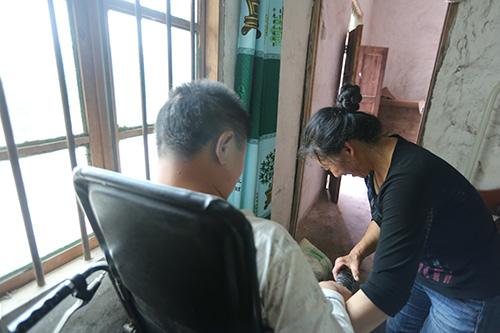
The story of Chen Tianqun, a subsistence-allowance recipient in Chongqing, treating guests to a meal
Chongqing: The story of Chen Tianqun, a subsistence-allowance recipient, treating guests to a meal
-
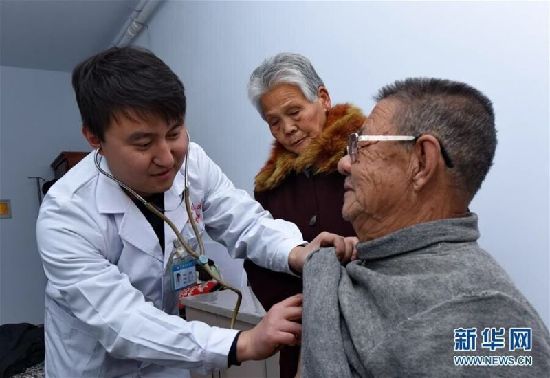
Post-80s Li Shichao serves as a welfare home director, treating the elderly as family
Post-80s welfare home director Li Shichao: treating the elderly as family
-
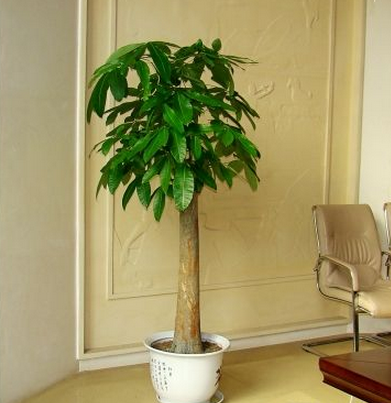
What to Do When a Money Tree's Leaves Turn Yellow? Easy Solutions by Treating the Root Cause
The money tree is one of the most popular houseplants, evergreen all year round with a graceful shape and good feng shui associations, and people love growing it in pots at home. However, in the process of growing a money tree, problems are inevitable, such as yellowing leaves. What causes this?
-
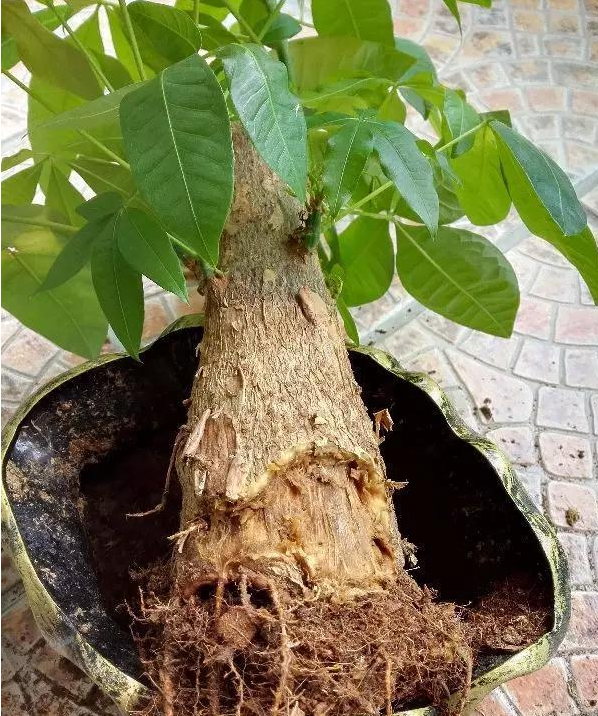
Treating a money tree with root rot this way, and can the soil left after it dies still be used?
The money tree (Pachira aquatica) is something many people love to grow; it looks so beautiful and is also very auspicious. Let's look at how to treat root rot in a money tree.
-
Treating acute ruminal tympany in cattle with cut tobacco
Acute ruminal tympany is a common disease in cattle. When cattle eat large amounts of easily fermentable feed, especially legumes before flowering, they are most prone to this disease; in addition, eating moldy and spoiled forage, poisonous plants, or pasture covered with frost or dew can also promote the occurrence of the disease. Affected cattle show rapid abdominal distension, with obvious swelling of the left flank, which is elastic on palpation. In severe cases, the animal is restless, has difficulty breathing, a violent heartbeat, a weak and thready pulse, and cyanotic conjunctiva. In the late stage of the disease, the affected cattle are depressed, have extreme difficulty breathing, and are unwilling to move; if forced
-
Method for treating livestock spontaneous sweating with Danggui Liuhuang Tang
Treatment principle: nourish yin and clear heat, astringe yin and stop sweating, and secure the exterior. Formula: Angelica sinensis (dong quai) and Rehmannia glutinosa (prepared rehmannia) 50g each, Scutellaria baicalensis (skullcap) and Phellodendron amurense (Amur corktree) 40g each, Coptis chinensis (goldthread) 30g, Astragalus membranaceus (milkvetch) 100g, fossilized bone (dragon bone) and oyster shell 70g each, Ephedra root and floating wheat 80g each, 1 dose per day; after 1 oral dose, sweating was greatly reduced, and it was cured after 3 doses.
条件筛选