-
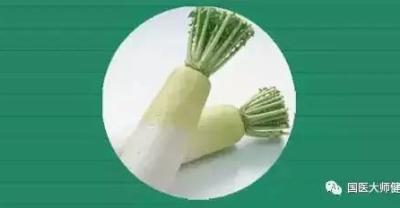
One vegetable plus one fruit, very effective for treating bloating
Many of us have the problem of bloating. Some people don't understand their own digestive system and often tell me they keep having stomachaches, burp after eating, can't eat and have no appetite...
-

Is copper hydroxide effective for treating rice bacterial leaf streak?
How effective is copper hydroxide for treating rice bacterial leaf streak? How many applications are needed? Please answer objectively. Thank you for your question. The answer is as follows: Copper hydroxide can control rice bacterial leaf streak, bacterial leaf blight, rice blast, sheath blight and rice false smut, etc. Before or at the early stage of disease onset, spray with a 53.8% dry suspension concentrate at 900-1100 times dilution, with 2 consecutive applications.
-
Garlic is Effective in Preventing and Treating Pullorum Disease in Chicks
Pullorum disease is an acute infectious disease caused by Salmonella pullorum, characterized in chicks by white, pasty, loose droppings; if not treated promptly, it often causes mass deaths. In recent years we have tried using garlic to prevent and treat pullorum disease in chicks: a total of 83,600 chicks were protected, with an effective protection rate of over 96%; 6,227 sick chicks were treated, of which 5,918 were cured, a cure rate of 95%, showing remarkable results. 1. Treatment methods. (1) Select locally grown purple-skinned garlic, peel off the outer skin, crush it, and mix it into the feed; use 0.5-1 g per sick chick,
-
Method for Treating Purulent Wounds with Garlic and Honey
Traumatic purulent wounds in livestock are a common surgical condition. Using garlic and honey to treat purulent wounds of varying degrees has produced fairly good results. The treatment method is as follows: Preparation: Mash the garlic into a paste, then add honey, mixing one part garlic to four parts honey, and stir into an ointment-like consistency. It is best to prepare it fresh each time before use. Application: Clean the purulent wound thoroughly with an antiseptic solution, then place the prepared ointment into the wound cavity, and bandage it with two layers of gauze. Change the dressing every 2-3 days. Generally, 1-3 applications are enough for full healing.
-
Ginger, garlic and vinegar are the three great treasures for treating pig diseases
If a pig has an external injury, peel fresh ginger, wash it clean and mash it into a paste, then apply it to the wound to stop the bleeding. Replace the ginger paste once every 1 day, and after 1 week the pig's wound can heal completely. Take two heads of garlic, peel them and mash them into a paste, mix with 0.2 kg of water and pour it into the pig's stomach; this can disinfect and sterilize, and for piglets the amount can be halved as appropriate. Soak 100 grams of garlic and 50 milliliters of alcohol for one week, then take 10-20 milliliters of the liquid and administer it to the pig by drenching; this can treat gastrointestinal disorders in pigs. For every square meter of space, dilute 10 milliliters of vinegar with 1 times its amount of water, place it in a container and heat it to evaporate,
-
Method for treating piglet white scours with garlic stalk infusion
Wash the garlic stalks clean, put them in water to soak, and when the water turns tea-colored, mix it into the feed to feed lactating sows, 4 times a day; at the same time, give each piglet 5-10 milliliters by drench daily, which can prevent or treat piglet white scours.
-
How to prevent and control yellowing of wheat seedlings before winter? The key lies in treating according to the condition of the seedlings
After barley and wheat are sown and emerge, due to the influence of adverse conditions and cultivation management, varying degrees of yellowing often occur before winter. There are many reasons for wheat seedlings turning yellow before winter, such as drought, insect pests, nitrogen deficiency and potassium deficiency, etc. The remedy should be applied according to the different causes, so as to promote the yellowing wheat seedlings to transform into strong overwintering seedlings. Drought-induced yellowing: in a dry winter year, with long periods of clear weather and no rain, soil hardening, and insufficient water, root extension is difficult, which often leads to yellowing of wheat seedling leaves, slow growth, and delayed tillering stage. For wheat seedlings yellowing due to water shortage and drought, timely watering for drought relief should be carried out. For drought relief,
-
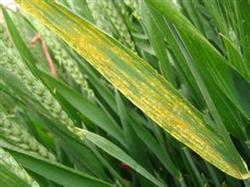
Wheat stripe rust can be managed by a zone-based strategy of treating key spots to protect the wider area
Wheat stripe rust is a serious biological disaster that has long affected the safe production of wheat in China. In years when the disease is common, wheat yields are reduced by 10%-20%, and in years of severe epidemic, losses can reach more than 60%, or even leave wheat with almost no harvest. Based on a comprehensive analysis of factors such as the amount of inoculum, weather conditions and variety distribution, it is predicted that in 2011...
-
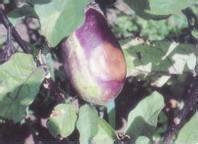
What medicine works well for treating eggplant fruit rot
What medicine can treat eggplant fruit rot? Please advise. For eggplant fruit rot, you can refer to the following medication for prevention and control: in the early stage of the disease, you can use 25% metalaxyl, or 58% metalaxyl mancozeb, or 40% fosetyl-aluminium, or 64% oxadixyl (oxadixyl + mancozeb), or 77% kocide (copper hydroxide), or fully chelated mancozeb, etc. for spray control...
-
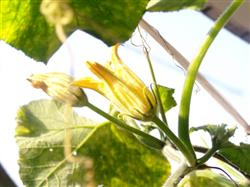
What are the methods for preventing and treating pumpkin fruit abortion?
What methods can prevent and treat pumpkin fruit abortion? Please advise. The phenomenon in which a pumpkin dies after growing to about the size of a fist is called fruit abortion. The main causes of pumpkin fruit abortion are: (1) Recently excessively high temperatures are unfavorable for pumpkin fruit set and fruit enlargement, causing fruit abortion. (2) Too much fertilizer and water, especially after pumpkin harvest, and when pruning cannot keep up, often causes the pumpkin vines to grow excessively, leading to spindly overgrowth of the plants, which easily causes fruit abortion.
条件筛选