-

Rural Areas and Regional Revitalization: Japan's Regional Revitalization School's Solid Training Is Enviable
Rural Areas and Regional Revitalization 06 / Enviable Talent Training! Japan's Regional Revitalization School Offers Solid Training Courses
-
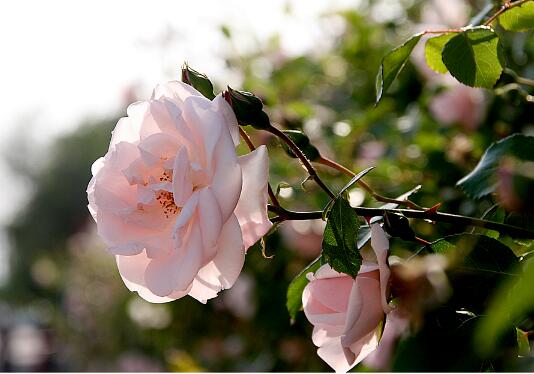
How to train climbing roses to climb? A deep analysis from two aspects
Climbing roses are highly ornamental flowering plants, and many people across every region of our country grow them. However, as more and more people grow climbing roses, questions about how to train them to climb have also become a concern. So how do you train climbing roses to climb? Let's take a look below.
-
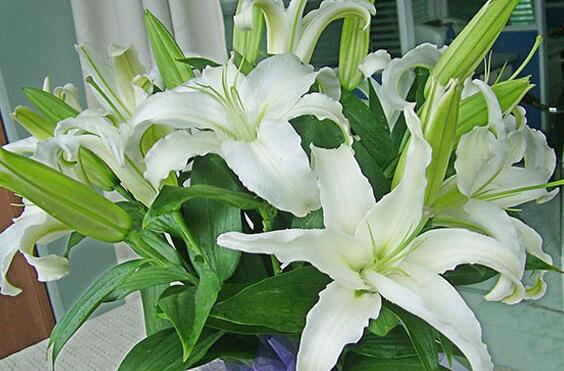
Lily is both ornamental and medicinal: its benefits, effects and contraindications, and why postpartum women should not use it
Lily - anyone who has seen it will remember it well. Its flower shape is beautiful and its colors are rich; it is a very beautiful flower with strong ornamental value. Of course, if you only treat it as an ornamental plant, then you have greatly underestimated the lily. It is said that the benefits and effects of lily are astonishing - not only does it have a beauty effect
-
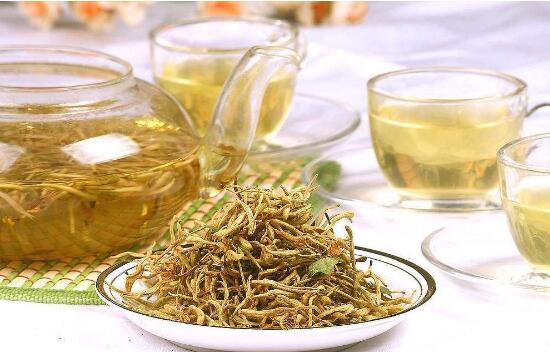
Honeysuckle Tea: Benefits, Effects and Contraindications - Antiviral and Anti-inflammatory, Avoid with Spleen-Stomach Deficiency Cold
I. Honeysuckle Tea Benefits, Effects and Contraindications: Avoid with Spleen-Stomach Deficiency Cold. The benefits and effects of honeysuckle tea are extremely wide-ranging; it not only removes toxic substances from the body but also treats heat toxin. Girls who want to improve their beauty and lose weight can also drink honeysuckle tea - it can make you more and more beautiful. There are also contraindications to drinking honeysuckle tea.
-

Peony: Benefits, Effects and Contraindications: Root Bark Can Fight Cancer and Stop Bleeding, Use with Caution If You Have Heart Disease
Peonies are very common in daily life. Many people grow potted peonies at home; they are not only beautiful but also do a great job of beautifying the environment. The uses of peonies go far beyond ornamentation: their flowers can also be brewed as tea, and their medicinal value is very broad. Their root bark can be used as medicine to fight cancer and stop bleeding. These are all benefits and effects of peonies.
-
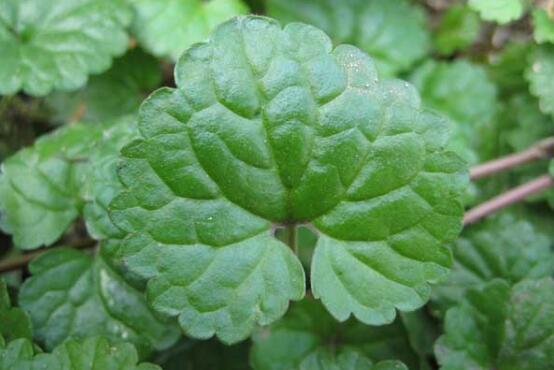
Can Lysimachia christinae treat gynecological diseases? Side effects and contraindications you must know
Lysimachia christinae, a medicinal herb with rich medicinal value, can treat many diseases in the human body. However, every medicine has some toxicity, and although Lysimachia christinae is good, frequent use also has side effects, and not everyone is suited to use it. So what are the side effects and contraindications of Lysimachia christinae? Hearing about the wonders of Lysimachia christinae
-
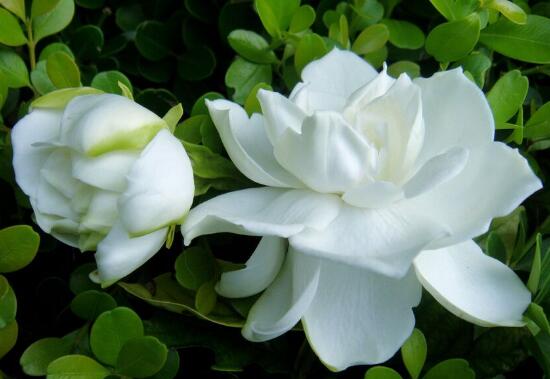
The benefits, effects and contraindications of drinking gardenia flower infused water; people with kidney deficiency should not drink it
Whenever summer arrives, the pure white gardenia blossoms. If you grow it at home, in the morning you will be intoxicated by the fragrance filling the air. When it comes to the benefits and effects of gardenia, everyone thinks of its beauty and its ability to remove odours, but in fact, besides these, gardenia also has great medicinal value, such as protecting the liver and promoting bile flow, lowering blood pressure and calming the nerves.
-
Detailed Explanation of the Key Points of Goji Berry Training and Pruning Techniques
To achieve high yields in goji berries, the first step is to cultivate a good tree shape. Goji berries have strong branching ability and vigorous growth, and have the characteristic of flowering and fruiting twice each year. If management is poor and training and pruning are improper, it will not only affect the yield of the current year, but also cause the tree vigor to age prematurely. Therefore, reasonable training and pruning are an important measure for high and stable yields in goji berries. 1. Training The goji berry tree shape should be pruned and retained into an umbrella-shaped circle that is large at the top and small at the bottom, with 3 layers of fruiting branch groups. In the first year, the successfully established goji berry is cut at the top about 60 cm above the ground in early spring to establish the trunk, and 10 to 2 below the cut
-
Detailed Explanation of the Trunk-Tiered Training and Pruning Method for Goji Berry
Goji berry, also known as West goji, mountain goji, white thorn needle, and goji thorn, is a plant of the Solanaceae family. In Ningxia, the goji fruit is used as medicine and called "goji berry," while the root bark is called "digupi" in traditional Chinese medicine. Goji berry has the function of nourishing the liver and kidneys and improving eyesight, while digupi has the function of removing dampness and cooling the blood. Goji berry is mainly produced in Ningxia, and is also produced in Hebei, Gansu, Qinghai, Inner Mongolia, Shaanxi and other places. It is a precious medicinal material famous at home and abroad. Goji berry has strong branching ability and vigorous growth, with a habit of flowering and fruiting twice a year, and grows quickly. After 5a it can enter the full
-
What tree shapes are suitable for almond? Key points of training and pruning techniques
According to the light-loving characteristics of almond, adopting a tree shape with an open canopy and good ventilation and light penetration makes it easy to obtain high yields. Suitable tree shapes include the round-headed shape, the tiered shape, the cup shape and the natural open-center shape, among which the natural open-center shape is used more often. After the young seedlings are planted, the trunk is headed at 60-100 cm. If the planted seedlings already have branches but these cannot be used as main branches, keep a few buds at the base of these branches and carry out relatively heavy renewal pruning; in the spring of the 2nd year, when the new shoots reach about 10 cm in length, select and retain 3
条件筛选