Can Lysimachia christinae treat gynecological diseases? Side effects and contraindications you must know
Lysimachia christinae, a medicinal herb with rich medicinal value, can treat many diseases in the human body. However, every medicine has some toxicity, and although Lysimachia christinae is good, frequent use also has side effects, and not everyone is suited to use it. So what are the side effects and contraindications of Lysimachia christinae? Hearing about the wonders of Lysimachia christinae, many people want to ask whether Lysimachia christinae can treat gynecological diseases? The editor will answer that question for you here.
1. Can Lysimachia christinae treat gynecological diseases? Yes
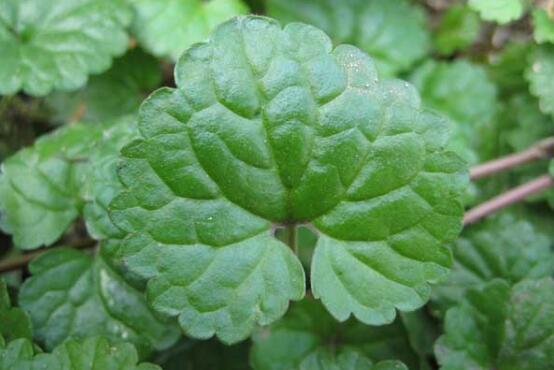
In the effects and functions of Lysimachia christinae, we did not cover its effect on pregnant women, so some people ask whether Lysimachia christinae can treat gynecological diseases? The editor's answer is yes. According to research, Lysimachia christinae has remarkable effects in treating gynecological diseases, with actions such as treating irregular menstruation and lower abdominal distension. It is worth mentioning that Lysimachia christinae cannot be picked and taken directly, but must be combined with other things. The specific method is as follows:
1. Take an appropriate amount of dried Lysimachia christinae, then add an appropriate amount of Yelian and large-leaf mugwort. Then take an appropriate amount of yellow rice wine and pour it into a container with a wide mouth.
2. Place the previously prepared Lysimachia christinae, Yelian, and large-leaf mugwort into the bottle. Seal the bottle mouth and it can be taken after one week. Those who are menstruating can warm a small cup and take it morning and evening.
2. Can Lysimachia christinae treat urethritis? Yes
This question is actually answered in the effects and functions of Lysimachia christinae, because Lysimachia christinae has the effects of clearing heat and reducing jaundice, promoting urination and treating strangury, and expelling stones. It is a commonly used traditional Chinese medicine for treating urinary system stones or accompanying infections, so Lysimachia christinae can treat urethritis. Note here that Lysimachia christinae should not be used alone. It can be combined with Ze Xie, Plantago, talc, Mian Yinchen, Akebia, licorice, and other herbs to increase efficacy, and during medication attention should be paid to drinking an appropriate amount of more water.
3. Side effects and contraindications of Lysimachia christinae
Every medicine has some toxicity, and this has become common knowledge in life. No medicine can be taken long term. Lysimachia christinae is a medicine that promotes urination and treats strangury. It itself has no stone-expelling or stone-dissolving function; it merely uses its urination-promoting and strangury-treating action to pull stones out. Long-term use will damage vital qi, and not only fail to expel stones, but instead affect stone expulsion and allow stones to continue forming. You must pay attention to this side effect of Lysimachia christinae, otherwise trouble will follow if problems arise.
Contraindications of Lysimachia christinae
Every medicine has its own characteristics, and Lysimachia christinae is slightly cold in nature and is mainly used for heat-pattern conditions. If there is stomach pain of a cold-stomach type, the editor suggests it is better not to use it. Second, Lysimachia christinae may cause contact dermatitis in patients with rheumatoid arthritis or frozen shoulder, so it is best not to use it long term. Everyone should also remember these contraindications of Lysimachia christinae.
What effects does Lysimachia christinae have?
For reducing swelling and disinfecting, Lysimachia christinae is the most effective
Lysimachia christinae is a precious traditional Chinese medicine with a wide range of uses. It is said there are two reasons it is called Lysimachia christinae. First, because its leaves are round like copper coins, it is called Lysimachia christinae; second, because Lysimachia christinae can treat many difficult and complicated diseases and is as precious as money, it is called Lysimachia christinae.
Unless one is an expert doctor, many people may not know what Lysimachia christinae looks like or what it is used for. Let us briefly introduce when we generally use Lysimachia christinae.
When can Lysimachia christinae be used?
Lysimachia christinae is a cooling traditional Chinese herbal medicine that can be taken internally or used externally.
When used externally, Lysimachia christinae mainly acts to reduce swelling and disinfect. For example, in ancient times many farmers had to go into the mountains to cut firewood and so on. Over time, accidents such as bumps and bruises could occur, or they might be bitten by snakes. At such times, Lysimachia christinae could be used to reduce swelling and remove toxins. As for the specific method, simply chop Lysimachia christinae finely, apply it to the wound, and bandage it.
According to modern people's living habits, snake bites are relatively rare, but some external injuries still occur from time to time in life or work. Keep firmly in mind the pharmacological effect of Lysimachia christinae in reducing swelling.
Internal use of Lysimachia christinae is generally for diseases of the gallbladder, kidneys, bladder, and other areas. For example, when suffering from jaundice, with severe yellowing of the face and body skin, Lysimachia christinae has a certain auxiliary therapeutic effect on this disease.
In addition, if inflammatory diseases occur in areas such as the bladder and kidneys, the body can be regulated by taking Lysimachia christinae internally.
Can Lysimachia christinae treat burns?
When human skin is scalded by boiling water or burned by fire, can Lysimachia christinae be used for treatment? Yes. Lysimachia christinae can not only effectively relieve pain in burn wounds, but also help prevent burn wound inflammation.
To use Lysimachia christinae to treat burns, it is best to first cook Lysimachia christinae in a pot, then mash it and apply it to the wound. After applying it, wait until it dries, then apply a second time. Repeated use in this way for several days has obvious effects. At the same time, when using Lysimachia christinae externally on wounds, be careful not to eat foods that promote flare-ups, such as fish, eggs, and so on.
Can Lysimachia christinae treat stones?
There is also a poignant and moving story about Lysimachia christinae. There was a couple very much in love, but because the husband suddenly died of stone disease, the wife was extremely sad and hung the stone from her husband's belly around her neck all day. One day when she went up the mountain to cut grass, the stone suddenly dissolved by half. She did not understand why, so she told everyone she met. Eventually a doctor heard about it. Later the woman took the doctor to find the place where she cut grass, and after searching for three years they finally found Lysimachia christinae. Because the doctor found a medicine for treating gallstones, he felt this grass was more precious than money, so it was called "Lysimachia christinae."
Common uses of Lysimachia christinae
1. Lysimachia christinae can be decocted into a soup and taken directly, three times a day.
2. Lysimachia christinae can also be used externally. First take an appropriate amount of Lysimachia christinae, then place it in a vessel and pound it into juice for external application.
3. Lysimachia christinae can also be decocted together with chrysanthemum, dandelion, and Rohdea japonica and taken as a soup.
4. Pound Lysimachia christinae into juice, then warm an appropriate amount of yellow rice wine and take the pounded Lysimachia christinae juice with the wine.
5. Lysimachia christinae can also be sun-dried, ground into powder, and then steamed and cooked with pork liver and taken.
Can Lysimachia christinae treat stones??
According to records in the Sichuan Record of Chinese Materia Medica, large Lysimachia christinae and dog treasure, ground into powder and steamed with pig liver and taken, can treat hepatobiliary stones and urinary stones. Lysimachia christinae is also called Guang Qian Cao, and among the people it is mostly called the nemesis of stones, mainly because it has the effects of clearing heat and removing dampness, promoting urination and treating strangury. It is a traditional excellent medicine for expelling stones. Its principle is that it can make urine acidic in order to dissolve stones, and it inhibits the formation of calcium oxalate crystals. It can also loosen the bladder and ureters to facilitate stone expulsion.
1. Daily use of 2 to 5 liang of Lysimachia christinae decocted in water has a certain effect on hepatobiliary stones.
2. It is understood that after treatment with Lysimachia christinae, in some cases not only were clinical symptoms eliminated, but liver function also returned to normal.
3. After using Lysimachia christinae, when the doctor performed X-ray fluoroscopy again, the stone shadow was found to have disappeared.
Therefore Lysimachia christinae can be used to treat urinary stones and hepatobiliary stones, and its effect on stone strangury is very good.
Warm reminders from the health website:
1. Although Lysimachia christinae has such good therapeutic effects, every medicine also has some toxicity. People who do not understand medical principles had best not take it on their own.
2. If someone has diseases such as stones, they can follow medical advice and decoct and take it according to the doctor's prescription.
3. Taking too much Lysimachia christinae can also cause skin inflammation and skin allergies, so it should be taken with caution.
4. Keep Lysimachia christinae out of reach of small children to prevent them from putting it in their mouths.
Effects and functions of Lysimachia christinae
Table of contentsEffects and functions of Lysimachia christinae. Pharmacological effects of Lysimachia christinae. Side effects of Lysimachia christinae. Cool in nature; sweet and slightly bitter in taste; enters the liver, gallbladder, kidney, and bladder meridians.
EffectsPromotes urination and treats strangury; clears heat and resolves toxins; dissipates blood stasis and reduces swelling. Mainly treats hepatobiliary and urinary stones, heat strangury, nephritis edema, damp-heat jaundice, sores and abscesses, venomous snake bites, and traumatic injuries.
ContraindicationsFor all yin flat abscesses and various toxins, and for those with spleen deficiency and diarrhea, avoid pounding the juice and taking it raw.
:
Shenxian Duizuo Cao, Di Wugong, Wugong Cao, Tongqian Cao, Ye Huasheng, Xianren Duizuo Cao, Sichuan Large Lysimachia christinae, Large Lysimachia christinae, Duizuo Cao, Yi Chuan Qian, Lin Shi Jiu, Huangdan Cao, Yi Mian Luo, Jinqian Feijin Cao, Tengteng Ce'er Gen, Bai Ce'er Gen, Tongqian Hua, Shui Ce'er Gen, Da Lian Qian Cao, Bian Di Huang, Huanghua Guolu Cao, Longlin Pian, Zhen Jin Cao, Zou You Cao, Pu Di Lian
:
Whole herb category
:
Bitter and pungent, cool.
1. Supplement to the Compendium of Materia Medica: slightly sweet in taste, slightly cold in nature.
2. Lingnan Collection of Medicinal Herbs: astringent in taste, fragrant in qi, neutral in nature.
3. Modern Practical Chinese Materia Medica: bitter, cold.
:
Enters the liver, gallbladder, kidney, and bladder meridians.
:
It is the whole herb of the Primulaceae plant Lysimachia christinae.
:
Grows on earthen slopes by roadsides, ditches, and forest edges in relatively shady and moist places, with vertical distribution reaching up to 2300 m above sea level. Distributed in central-south and southwest China, as well as Shanxi, Shaanxi, Gansu, Jiangsu, Anhui, Zhejiang, Jiangxi, Fujian, and other places.
Effects and functions of Lysimachia christinae
Can clear and disinhibit damp-heat, treat strangury, and reduce swelling. Anti-inflammatory, heat strangury, sand strangury, stone expulsion; treats painful urinary astringency, jaundice with reddish urine, carbuncles and boils, venomous snake bites; chronic cholecystitis, hepatobiliary stones, urinary tract stones, abdominal edema and distension, hernia, traumatic injuries, boils, fractures, kidney-deficiency edema, burns, acute mastitis, common cold with cough, rheumatoid arthritis, gynecological leukorrhea, irregular menstruation, and so on.
Indications of Lysimachia christinae: often used for heat strangury, sand strangury, painful urinary astringency, jaundice with reddish urine, carbuncles and boils, venomous snake bites, hepatobiliary stones, urinary tract stones, and other conditions; used for heat-toxin sores and ulcers and venomous snake bites.
1、Clears heat and promotes urination
Lysimachia christinae is bitter in taste and cold in nature, and enters the bladder and kidney meridians. It is good at clearing damp-heat in the bladder and promoting urination. If symptoms include complete inability to urinate, severe unbearable urgency and distension in the lower abdomen, or reduced and unsmooth urine output, yellow-red urine, dry mouth with bitterness, thick greasy coating, red tongue body, and forceful rapid pulse. This is caused by damp-heat obstructing the bladder and inhibiting qi transformation. Lysimachia christinae can be selected to clear heat and promote urination, causing pathogenic heat to descend and be discharged. Once accumulated heat in the bladder is resolved, all symptoms can be eliminated.
2、Promotes dampness and reduces jaundice
Lysimachia christinae is bitter and cool. Bitterness can dry dampness, cold can clear heat, and entering the liver and gallbladder meridians enables it to promote dampness and reduce jaundice. For example, Wang Anqing's Records of Collecting Medicines says: "Treats jaundice at its early stage." Therefore this product is often used to treat jaundice. If dampness traps heat, the liver loses its smoothing and dispersing function, and bile does not follow its normal path but overflows into the skin, jaundice develops. Symptoms include yellow body and eyes without brightness, unremarkable body heat, heavy head and heavy body, chest and epigastric fullness, reduced appetite, thirst without much desire to drink, loose and unsmooth stool, short yellow urine, thick greasy coating or a mixture of yellow and white, and soft slow pulse. Lysimachia christinae clears heat and promotes urination, promotes dampness and reduces jaundice, and is most suitable for use. For example, Zhejiang Folk Medicinal Herbs selects this product to "treat jaundice and tympanites."
3、Treats strangury and dissolves stones
Lysimachia christinae can clear heat and promote urination. Anhui Medicinal Materials says: "Treats bladder stones." Therefore this product has the effect of treating strangury and dissolving stones. It is an essential medicine for expelling stones. It is commonly used to treat stone strangury, with symptoms such as painful urinary astringency, unbearable urgency, sometimes sand or stones mixed in the urine, sometimes interrupted urination, yellow turbid urine, or blood mixed in, and even sudden severe colic in one side of the waist and abdomen radiating downward to the lower abdomen and perineum, with cold sweat from severe pain, pale complexion, greasy tongue coating, and string-like rapid pulse. This is due to damp-heat boiling the urine into stones. Lysimachia christinae can be selected to treat strangury and dissolve stones, clear heat and promote urination, and then all symptoms will resolve on their own. Modern times commonly use this product to treat gallstones and urinary tract stones.
4、Relieves cough and transforms phlegm
Modern Practical Chinese Materia Medica says: Lysimachia christinae "relieves cough." This product is bitter and cold. Bitterness can dry dampness, and phlegm is generated from dampness; when dampness gathers, it becomes phlegm. Once dampness is removed, there is no way for phlegm to remain. Therefore this product has the effect of relieving cough and transforming phlegm. If symptoms include cough with yellow phlegm, difficult expectoration, chest and diaphragm fullness, short reddish urine, red tongue body, yellow greasy coating, and slippery rapid pulse. This is caused by fire pathogen scorching fluids and phlegm-qi binding internally. This product, being bitter and cool, can clear heat, relieve cough, and transform phlegm.
5、Relaxes sinews and invigorates collaterals
Baicao Jing records: Lysimachia christinae "treats traumatic injuries." Bencao Qiu Yuan says: "Dispels wind-dampness, stops bone pain. Soaked in wine, it relaxes sinews and invigorates collaterals and stops traumatic sprains." Therefore this product has the effect of relaxing sinews and invigorating collaterals. For traumatic injuries, wind-dampness impediment pain, and sinew and bone pain, this product can all be selected for treatment.
6、Reduces swelling and resolves toxins
This product is bitter and cool. Caomu Bian Du says: "Removes wind toxins, mad dog bites. Pound and take with wine. Scrofula and erysipelas. Take raw, apply externally." Baicao Jing says: "tulAOshI treats hemorrhoids and fistula, rubs for goose-web hand; the juice gargles toothache." Therefore this product has the effect of reducing swelling and resolving toxins. It can be used to treat carbuncle swellings and sores, snake bites, sores and tinea, eczema, and other patterns. It is generally mostly used externally.
Pharmacological effects of Lysimachia christinae
1、Promotes bile flow and expels stones
Rats and dogs given oral large-leaf Lysimachia christinae decoction at 5 ml per day for 6 consecutive weeks showed a significant increase in bile flow. In dogs, 30 to 60 minutes after medication, the sphincter of Oddi relaxed and distal pressure decreased significantly. Therefore it is believed that the cholagogic effect of Lysimachia christinae is related to promoting bile secretion and regulating biliary tract movement.
Its decoction also has an obvious cholagogic effect in humans.
Compound Lysimachia christinae can prevent the formation of gallstones in guinea pigs, including pigment stones and cholesterol stones.
There are two mechanisms for preventing gallstones. First, it can significantly reduce the activity of beta-glucuronidase in guinea pig bile. This enzyme can hydrolyze conjugated bilirubin into free bilirubin that precipitates in bile. Reducing the activity of this enzyme can reduce the formation of pigment stones.
2、Promotes urination and expels stones
Its decoction given orally to rats and dogs has an obvious diuretic effect, with increases in both urine volume and sodium excretion.
In a rat experimental model of ammonium magnesium calcium phosphate stones, using Paishi Tang compared with ordinary water, the results showed that the stone weight in the Paishi Tang group was the lightest. Lysimachia christinae can significantly inhibit calcium oxalate nucleation and prolong the crystal induction period. This may be one of the mechanisms by which Lysimachia christinae inhibits stone formation.
3、Immune effects
Its decoction, used alone or together with cyclophosphamide, can significantly prolong the survival time of transplanted skin grafts in mice. This indicates an effect against type IV allergic reactions.
Oral administration of its water extract to mice can reduce the number of cells in the thymus, promote the outward transport of thymocytes, significantly inhibit the PHA- and LPS-induced blastogenic reaction of spleen lymphocytes, prolong the growth time of transplanted allogeneic tumors, and slow tumor cell growth.
4、Effects on the cardiovascular system
Its decoction can significantly increase blood flow in the coronary arteries, kidneys, brain, and femoral arteries of anesthetized dogs and rabbits, significantly reduce coronary vascular resistance and myocardial oxygen consumption, slow heart rate, and lower blood pressure. It has protective effects on experimental reduction of coronary flow in dogs and on acute myocardial ischemia; it can also resist arrhythmia and sinus node premature beats.
(This article comes from a website. For more, please visitIts active components for dilating vessels and lowering blood pressure are related to the flavonoids it contains.
5、Other
Anti-inflammatory: total flavonoids and phenolic acids of Lysimachia christinae have significant inhibitory effects on acute and chronic inflammation such as vascular permeability in mice and egg white-induced paw swelling in rats. The effect of Sichuan Lysimachia christinae is slightly stronger than that of Guang Lysimachia christinae.
Antibacterial: its herbal decoction has antibacterial effects on many pathogenic bacteria.
Side effects of Lysimachia christinae
Suitability and contraindications of the Chinese medicine Lysimachia christinae: For all yin flat abscesses and various toxins, and for those with spleen deficiency and diarrhea, avoid pounding the juice and taking it raw.
Side effects of Lysimachia christinae: Lysimachia christinae is cool in nature, and long-term consumption can damage the spleen and stomach. If the spleen and stomach are already weak, it should be used with caution
Toxicity of Lysimachia christinae: clinical reports show that Lysimachia christinae can cause contact dermatitis and allergic reactions.
Commonly used selected prescriptions
1. To treat jaundice and tympanites: Lianqian Cao 7 to 8 qian, white cogongrass root and plantain herb 4 to 5 qian each, Hebacao 5 qian. Decoct together and take.
2. To treat nephritis edema: Lianqian Cao and Polygonum aviculare 1 liang each, shepherd's purse flower 5 qian. Decoct and take.
3. To promote urination and treat bladder stones: Lianqian Cao, dragon's beard grass, and plantain herb 5 qian each. Decoct and take.
4. To treat malaria: First, before a malaria attack, use 7 leaves of Lianqian Cao made into a pill and insert into the nose. Second, Lianqian Cao 1.5 to 3 liang. Decoct in water, divide into two doses, one dose per day, taken for three consecutive days.
5. To treat common cold with cough: fresh Lianqian Cao 5 to 8 qian (dried 3 to 5 qian) (washed clean), rock sugar half a liang. Add an appropriate amount of boiling water, stew for one hour, take twice a day.
6. To treat pregnancy cough and pregnancy edema: Tuanjing Yao, Jianjing Yao, large amaranth, and Huahudie 3 to 5 qian each. Stew with meat or chicken and eat.
7. To treat leukorrhea: Tuanjing Yao 5 qian, Eucommia bark 3 qian, Akebia 1.5 qian. Decoct in water, add white sugar, and take.
8. To treat irregular menstruation and lower abdominal distension: Tuanjing Yao and Duijelian 3 qian each, large-leaf mugwort 2 qian. Soak in wine and consume.
9. To treat rheumatoid arthritis: Tuanjing Yao, pound into a paste, stir-fry with wine until hot, and apply externally.
10. To treat infantile malnutrition: Lianqian Cao 3 qian, add an appropriate amount of animal liver, stew the juice and take.
11. To treat sores and boils, mumps, and bruising swelling from skin injuries: fresh Lianqian Cao pounded and applied externally.
12. To treat Baihu Dan: fresh plantain herb and Bian Di Xiang. Wash clean, pound into a paste, add a little white liquor, squeeze out the juice, and apply to the affected area with a goose feather.
13. To treat eczema, pustular sores, and rice-field dermatitis: fresh Lianqian Cao and wild chrysanthemum half a jin each. Add water and boil, then while hot repeatedly scrub the affected area (if there are pustules, they must be pricked open), then sprinkle prickly heat powder or tooth powder on the broken area, once a day. If there is no obvious effect after three times, add half a jin of hibiscus bark or leaves and decoct together for washing.
14. To treat scabies and sores: Bo'er Cao, add a little salt, rub until warm and apply frequently until completely resolved, then bathe. If used as a decoction for washing, the effect is instead not seen.
15. To treat snake bites: eat fresh raw Lianqian Cao, and pound it and apply to the wound.
Can Lysimachia christinae treat gynecological diseases?
According to records in Sichuan Traditional Chinese Medicine, Lysimachia christinae has effects such as treating irregular menstruation and resisting inflammation. Therefore Lysimachia christinae can treat gynecological diseases.
Lysimachia christinae is divided into soil-grown and water-grown types. Now there are also soil-grown and water-grown Lysimachia christinae in flower pots, but Lysimachia christinae cannot simply be picked and taken directly.
Medicinal processing of Lysimachia christinae:
Lysimachia christinae can only be harvested in summer and autumn. Remove impurities from the harvested Lysimachia christinae, wash clean with fresh water, drain off the water, cut into small sections, and dry in the sun. The roots, stems, leaves and flowers are all mixed together.
It can be placed in a dry container, then stored in a dry, well-ventilated place.
The properties of Lysimachia christinae:
Lysimachia christinae is sweet in taste, slightly bitter, and cool in nature.
(This article comes from a website, for more please visitWhat gynecological diseases can Lysimachia christinae specifically treat?
1、Lysimachia christinae can treat excessive vaginal discharge。
Preparation:
(1) Take an appropriate amount of dried Lysimachia christinae.
(2) Wash clean, put into a clay pot, and pour in fresh water.
(3) Then add an appropriate amount of white sugar.
(4) After decocting for half an hour, pour out into a medicinal container, then let it cool until warm, and it is ready to take.
2、Lysimachia christinae can treat irregular menstruation and lower abdominal distension。
Preparation:
(1) Take an appropriate amount of dried Lysimachia christinae.
(2) Then add an appropriate amount of ye lian and da ye ai.
(3) Take an appropriate amount of yellow rice wine and pour it into a container with a wide mouth.
(4) Place the previously prepared Lysimachia christinae, ye lian, and da ye ai into the bottle.
(5) Seal the bottle mouth and it is ready to take after one week.
(6) During menstruation, warm a small cup and take it morning and evening.
3、Antibacterial and anti-inflammatory effects, has inhibitory effects on both humoral immunity and cellular immunity, can treat painful difficult urination。
Preparation:
(1) Take an appropriate amount of dried Lysimachia christinae.
(2) Decoct with fresh water and take.
(3) Take 2-3 times per day.
Lysimachia christinae has such good effects, but the specific dosage control should still be based on individual circumstances and follow the doctor's advice before decocting and taking.
Common Scouring Rush Herb CommonScouringRushHerb Common Scouring Rush Herb illustrated guide: how to grow Common Scouring Rush Herb / how to propagate Common Scouring Rush Herb
Common Scouring Rush Herb profileCommon Scouring Rush Herb CommonScouringRushHerb
Aliases: Fengcao, Cuocao, Bitoucao, Bitongcao, Jiegucao, Mujzei, Qianfengcao, Gucao, Tongqicao, Meimao cao, Tumuzei, Jiejiecai, Jiejiecao, Jiegucao, Cuodaocao, Tumahuang, Yemahuang, Xiamazhu, Suomeicao, Caomahuang, Huogaicao, Jieguancao, Cacao, Moshicao, Biguancao, Sijiaotianhuai, Yemujzei, Bojiecao, Kongxincao, Wuxincao, Jiegutong, Mahao
Classification: perennial herbaceous flower
Family and genus: Plantae, Angiosperms, Dicotyledoneae, Equisetaceae, Equisetum
Full bloom period:
Common Scouring Rush Herb, also known as Qianfengcao, Cuocao, Bitoucao, Bitongcao, Jiegucao, etc., is a perennial erect herb, 0.5 to 2 m tall. The stem is hollow and jointed, with internodes 2 to 6 cm long, the surface has longitudinal ridges, is rough, and the leaves are reduced and sheath the stem. The sporangiate spike is oblong, yellow, whorled at the top of the stem, and densely spicate. It prefers to grow in moist places such as riverbanks and stream sides.
Cultivation methods and precautions of Common Scouring Rush Herb Introduction to Common Scouring Rush Herb
Common Scouring Rush Herb, also known as Qianfengcao, Cuocao, Bitoucao, Bitongcao, Jiegucao, etc., is a perennial erect herb, 0.5 to 2 m tall. The stem is hollow and jointed, with internodes 2 to 6 cm long, the surface has longitudinal ridges, is rough, and the leaves are reduced and sheath the stem. The sporangiate spike is oblong, yellow, whorled at the top of the stem, and densely spicate. It prefers to grow in moist places such as riverbanks and stream sides.
Morphological characteristics of Common Scouring Rush Herb
The rhizome of Common Scouring Rush Herb is short, black, creeping, and densely clustered whorled dark brown roots grow from the nodes. The stems are clustered, hard, erect and unbranched, cylindrical, 4-8 mm in diameter, with jointed nodes, hollow internodes, and the stem surface has 20-30 longitudinal ribbed ridges, each ridge with two rows of small wart-like protrusions. The leaves are reduced to scale-like forms, and their bases are fused into a tubular sheath, the sheath 6-10 mm long, with 1 dark brown ring at the base, the upper part light gray, and the apex has many brownish fine tooth-like lobes, the lobes lanceolate-conical, with a long, sharply pointed apex, and 1 shallow groove in the center of the back; the lobes fall off early, and only those at the stem apex and on young stems do not fall off.
The sporangiate spike grows at the top of the stem, oblong, 1-1.5 cm long, with a dark brown small pointed tip at the apex, composed of many whorled hexagonal peltate sporophylls, and several sporangia grow along the edge of the sporophylls; the sporangia are large. The spores are numerous, of the same type, spherical, with 2 filamentous elaters, arranged in a cross shape, coiled around the spore, and spring open upon contact with water to facilitate reproduction.
Ecological habits of Common Scouring Rush Herb
Common Scouring Rush Herb grows in shady and moist places under slope forests, wetlands, and stream sides; it likes shady and moist environments, and sometimes also grows in weed patches. It often grows in moist hillsides or under sparse forests. For pot cultivation in winter, it needs to be moved indoors to overwinter at no lower than 0°C.
Common Scouring Rush Herb likes moisture, grows on hillsides and moist riverbanks, and likes direct sunlight.
Cultivation techniques of Common Scouring Rush Herb Spore propagation
After collecting the spores, immediately sow them on the soil surface, cover lightly with soil, and maintain humidity.
Stem division propagation
Cut the rhizome into 3-6 cm long sections, plant them in soil, cover with 4-5 cm of soil, water frequently, and they root and survive very easily.
Variety classification of Common Scouring Rush Herb Equisetum hyemale (original subspecies)
Smaller in size, with 2 rows of small tubercles on the ridges, and 4 longitudinal ridges on the back of the sheath teeth.
Produced in Heilongjiang, Jilin, Liaoning, Inner Mongolia, Beijing, Tianjin, Hebei, Shaanxi, Gansu, **, Henan, Hubei, Sichuan, Chongqing. Altitude 100-3000 m. Distributed in Japan, the Korean Peninsula, Russia, Europe, North America and Central America.
Equisetum hyemale subsp. affine (subspecies)
Larger in size, with no obvious small tubercles on the ridges, and 3 longitudinal ridges on the back of the sheath teeth.
Produced in Heilongjiang. Distributed in Russia, the United States, Mexico and Guatemala.
Distribution area of Common Scouring Rush Herb
Common Scouring Rush Herb is distributed in Heilongjiang, Jilin, Liaoning, Hebei, Anhui, Hubei, Sichuan, Guizhou, Yunnan, Shanxi, Shaanxi, Gansu, Inner Mongolia, **, Qinghai and other places. Southern Xing'an, west of the Greater Khingan Range, Horqin, Liaohe Plain, northern Yanshan, Yinshan. Northeast, North, Northwest and Southwest China; also in other temperate regions of the Northern Hemisphere. Produced in Xing'an League (Horqin Right Front Banner), Jirem League (Daqinggou), Chifeng City (Keshiketeng Banner, Ningcheng County), Xilin Gol League (West Ujimqin Banner), Ulanqab League (Manhan Mountain). The yield is relatively large.
Medicinal or dietary therapeutic value of Common Scouring Rush Herb
The medical information and health dietary therapy information on Huahua Network is for reference only and cannot be used as a basis for diagnosis or medical treatment. Any health problem should be consulted with professional medical personnel, and the treatment of any disease should follow the doctor's advice.
Ultimate flower-protecting mission: To love yourself, start from reality and strictly follow the doctor's advice. For illness, do not be careless, do not delay, do not give up hope, face it bravely, warm the silent world with love, and care for the flower field in your heart with your heart.
Pharmacological effects
The silicates and tannins contained in Common Scouring Rush Herb have an astringent effect, thereby having anti-inflammatory and hemostatic effects on the contacted area. The whole plant of the same genus E. Arvense L. has a diuretic effect; it was once used clinically to treat diabetes, but animal experiments have not confirmed this. Livestock eating Bitongcao and plants of the Equisetum genus can cause poisoning, with symptoms including limb weakness, ataxia, difficulty turning, tremor and muscle rigidity when the livestock moves, weak and frequent pulse, and cold limbs. Blood chemical analysis shows vitamin B deficiency, and large amounts of vitamin B have a detoxifying effect.
Effects on the cardiovascular system
The alcohol extract of Bitongcao can increase coronary flow in isolated guinea pig hearts. Intravenous injection of 0.2 ml/kg (100% extract) has a certain antagonistic and buffering effect on the T wave elevation and heart rate slowing caused by pituitrin. Intraperitoneal injection of 10-15 g/kg or duodenal administration of 20 g/kg of the alcohol extract of Bitongcao has a lasting hypotensive effect on anesthetized cats. The intensity and duration of the hypotensive effect have a certain correlation with the dose. It can also counteract the vasoconstrictive effect of histamine, and still has a hypotensive effect on cats with the spinal cord cut, so it is believed that the site of its hypotensive action is peripheral. It has a significant dilating effect on isolated rabbit blood vessels.
Other effects
Ferulic acid has the effect of inhibiting platelet aggregation and release. In animal experiments it has sedative and anticonvulsant effects. Its median lethal dose (mg/kg) is 946 for intraperitoneal injection in mice and 3000 for intragastric administration in rats. Toxicity manifests as ataxia, muscle rigidity and cold limbs. Blood analysis shows vitamin B deficiency, and treatment with large amounts of vitamin B can restore normal conditions.
Medicinal value
[Drug name]: Bitongcao
[Pinyin name]: BíTǒnɡCǎo
[English name]: HerbofRamoseScouringRush
[Latin plant name]: Hippochaete ramosissima. (Desf.) Boerner [Equisetum ramosissimum Desf.]
[Aliases]: Qianfengcao, Jiegucao, Tongqicao, Meimao cao, Tumuzei, Jiejiecai, Jiejiecao, Jiegucao, Cuodaocao, Mujzeicao, Tumahuang, Bitoucao, Yemahuang, Cuocao, Xiamazhu, Suomeicao, Caomahuang, Jiegucao, Huogaicao, Jieguancao, Cacao, Moshicao, Biguancao, Sijiaotianhuai, Yemujzei, Bojiecao, Kongxincao, Wuxincao, Jiegutong, Mahao.
[Main indications]: Clear the liver and improve vision; stop bleeding; promote diuresis and treat strangury; mainly for wind-heat common cold; cough; red swollen painful eyes; corneal opacity; nosebleed; blood in urine; bloody stool due to intestinal wind; strangury syndrome; jaundice; vaginal discharge; fractures.
[Nature and taste]: Sweet; bitter; neutral; non-toxic; slightly cold.
[Meridian entry]: Heart meridian; Liver meridian; Stomach meridian; Bladder meridian.
[Usage and dosage]: Oral administration: decoct in water, 9-30 g, 30-60 g for fresh product. External use: appropriate amount, pound and apply; or grind into powder and sprinkle.
[Source]: This product is the dried aerial part of the Equisetaceae plant Equisetum hyemale.
[Processing]: Remove dead stems and residual roots, spray with fresh water, moisten slightly, cut into sections, and dry.
[Harvesting and storage]: Dig in summer and autumn, wash clean, use fresh or dry in the shade in a ventilated place.
[Ecological environment]: Grows in places such as roadsides, hillside grass clusters, stream sides, and pond edges.
"Ben Cao Jing Shu"
[Source] This product is the dried aerial part of the Equisetaceae plant Equisetum hiemale L. It is mainly produced in Heilongjiang, Jilin, Liaoning, Hebei, Inner Mongolia, **, Qinghai, Shaanxi, Gansu, Anhui, Hubei, Sichuan, Guizhou, Shanxi and other provinces and regions. It is harvested in summer and autumn, impurities are removed, and it is dried in the sun or in the shade. Cut into sections and used raw.
[Different names] Mujzei ("Jiayou Materia Medica"), Cuocao ("Shengjing Tongzhi"), Jiejiecao ("Zhiwu Ming Shi Tu Kao"), Jiegucao ("Northeast Medicinal Plant Records"), Cacao, Wuxincao ("Shanxi Traditional Chinese Medicine Records").
[Medicinal material properties] The dried whole plant is long tubular, hollow and jointed, unbranched. 30-60 cm long, about 5 mm in diameter, each node 3-6 cm long. The surface is grayish green or yellow-green, with many longitudinal branches arranged straight, densely covered with fine spines, and rough to the touch. At the nodes there are tubular dark brown scale leaves. It easily pulls off from the nodes. The texture is brittle and easily broken; the cross-section is hollow, with a grayish white or light green thin pith inside. Odorless, sweet in taste, slightly bitter and astringent. Those with thick and long stems, green color, thick texture, and nodes that do not fall off are considered better.
[Collection] Harvested in summer and autumn, cut the aerial parts, tie into small bundles according to thickness, and dry in the shade or in the sun.
[Processing] Wash clean, moisten slightly, cut off the roots, cut into sections, and dry in the air.
[Nature and taste] Sweet and bitter, neutral.
① "Jiayou Materia Medica": "Sweet and slightly bitter in taste, non-toxic."
② "Gangmu": "Warm."
③ "Ben Cao Zheng": "Slightly bitter and slightly sweet in taste."
[Meridian entry] Enters the lung, liver and gallbladder meridians.
① "Leigong Paozhi Yaoxing Jie": "Enters the lung meridian."
② "Ben Cao Jing Shu": "Enters the blood aspect of the foot Jueyin and Shaoyang meridians." ③ "Ben Cao Hui Yan": "Enters the hand and foot three yang meridians."
[Functions and main indications] Dispel wind and dissipate heat, release the flesh, and remove corneal opacity. Treats corneal opacity, tearing in the wind, bloody stool due to intestinal wind, bloody dysentery, prolapsed liver, malaria, sore throat, and carbuncle swelling.
① "Jiayou Materia Medica": "Mainly treats eye diseases, removes corneal opacity. Also disperses accumulations, benefits the liver and gallbladder, improves vision, treats intestinal wind, stops dysentery, and treats continuous menstruation in women."
② "Gangmu": "Releases the flesh, stops tearing, stops bleeding, removes wind-dampness, hernia pain, and rectal prolapse."
③ "Ben Cao Zheng": "Induces sweating, releases the flesh. Treats typhoid and malaria. Removes wind-dampness, disperses fire pathogens."
④ "Yu Qiu Yao Jie": "Calms sores and swollen hard masses, expels wind-mania phlegm and saliva. Treats carbuncles, scrofula, ding toxin, furuncle swelling, sweat spots, acne, and various patterns of flooding and red-white discharge."
[Usage and dosage] Oral administration: decoct in water, 5-15 g; or make into pills or powder. External use: grind into powder and sprinkle.
[Cautions] Those with qi and blood deficiency should take it cautiously.
① "Ben Cao Jing Shu": "Eye diseases caused by anger and summer heat damaging the blood, with sudden red swelling and pain, are not suitable for it."
② "Ben Cao Hui Yan": "Taking too much damages the liver, and it is not suitable for long-term use."
③ "Ben Jing Feng Yuan": "Taking too much causes eye swelling; it is not suitable for those with long-standing corneal opacity and blood deficiency."
Identification methods
Macroscopic identification
Stem long tubular, straight,
20-60 cm long, 2-6 mm in diameter, nodes obvious, internodes 2.5-9 cm long, unbranched. The surface is grayish green or yellow-green, with 20-30 longitudinal ridges, and the ridges have many small shiny wart-like protrusions, giving a rough feel. At the nodes there are sheath-like leaves. The base of the sheath tube and the sheath teeth are brown-black, and the middle is light yellow. Light in body, brittle in texture, easily broken; the cross-section is hollow, and the periphery has many small round cavities. Slight odor, sweet, bland and slightly astringent in taste, with a gritty feeling when chewed.
Microscopic identification
Stem transverse section: nearly round or slightly flattened. Epidermal cells 1 layer, the outer surface cutinized, with wart-like protrusions, and in the grooves there are 2 rows of sunken stomata; the guard cells in surface view are long semicircular, with radial striations on the surface. Inside the epidermis is cortical sclerenchyma, extending wedge-shaped into the cortical parenchyma, with one cavity between each ridge; the endodermis has 2 inner and outer rows, the outer row wavy annular, the inner row circular annular, and obvious Casparian dots are visible in both. The vascular bundles are collateral, arranged between the 2 rows of endodermis, located inside the wavy protrusions of the outer endodermal row, opposite the ridge angles, and inside the vascular bundles there is one inner cavity. Inside the endodermis are pith parenchyma cells, flattened and contracted, with the pith cavity in the center.
Traditional Chinese medicine identification
1. Take 4 g of this product powder, add 10 ml of methanol, warm-soak for 10 min, and filter. Take 1 ml of the filtrate, add 1 drop of 2% ferric chloride reagent, and the solution appears blue to blue-black. (Check tannins)
2. Take 2 g of this product, add 10 ml of methanol, warm-soak for 1 h, and filter. Take 1 ml of the filtrate, add 1-2 drops of 10% α-naphthol ethanol solution, shake well, and along the tube wall add 0.5 ml of concentrated sulfuric acid; a purplish red color appears at the contact surface. (Check sugars)
3. Take 2 g of this product powder, add 20 ml of methanol, warm-soak for 1 h, and filter. Take 1 ml of the filtrate, add a small amount of magnesium powder and 3 drops of concentrated hydrochloric acid, and a purplish red color appears. (Check flavonoids)
4. Thin-layer chromatography: take 10 g of this product powder, place in a Soxhlet extractor, add 70 ml of methanol, reflux-extract for 4 h, recover the methanol to a small volume, and use as the test solution; separately take ferulic acid as the reference substance. Take 10 μl of the test solution and an appropriate amount of the reference solution, spot them on the same silica gel G (Qingdao) thin-layer plate (activated at 105°C for 1 h), develop with the upper layer of n-butanol-acetic acid-water (4:1:5), spray with 2% aluminum trichloride ethanol, and after air-drying observe under ultraviolet light (254 nm). In the chromatogram of the test solution, fluorescent spots of the same color appear at the corresponding positions to those in the chromatogram of the reference solution.
Related prescriptions
Attached prescriptions
01. To treat fire eyes: Bitongcao, Lysimachia christinae, four-leaf clover, pearl grass, and Eriocaulon buergerianum, 5 qian each. Decoct in water and take orally. ("Chongqing Herbal Medicine")
02. To treat eye cloudiness: Bitongcao, decoct in water to wash and also take orally. ("Chongqing Herbal Medicine")
03. To treat acute strangury: Bitongcao 1 liang, rock sugar half a liang. Add water and decoct, then take. ("Fujian Folk Herbal Medicine")
04. To treat bloody stool due to intestinal wind, red-white vaginal discharge, and traumatic injury: Bitongcao 2 qian. Decoct in water and take. ("Hunan Materia Medica Record")
05. To treat persistent infectious hepatitis: Bitongcao, Chinese star jasmine stem, and Sichuan chinaberry, 3 qian each; yellow gardenia root and Rabdosia amethystoides, 4 qian each. Decoct in water and take.
06. To treat hematuria: Bitongcao, sheep's hoof, and Eclipta prostrata, 5 qian each; Chinese loropetalum flower 1 liang; cogongrass rhizome 4 liang. Decoct in water and take.
07. To treat pyelonephritis: Bitongcao, one-package needle, plantain herb, and Dichondra repens, 5 qian each; Hedyotis chrysotricha and Glechoma hederacea, 1 liang each. Decoct in water and take. (Prescriptions ⑤-⑦ are all from "Zhejiang Folk Commonly Used Herbal Medicine")
08. Treating malaria: One qian of Biduanacao (Equisetum). Decoct in water and take orally, or pound into a paste and apply to the Dazhui acupoint. (Hunan Medicinal Herbs)
09. Treating traumatic fractures: After reduction, take a handful of fresh Biduanacao (Equisetum), mix with brown sugar, pound into a paste and apply externally. (Fujian Folk Herbal Medicine)
Selected Formulas
01. Treating blurred vision with frequent tearing: Mueze (Equisetum, nodes removed) 1 liang, grind into powder, pound with sheep liver into pills, take 2 qian after meals in the morning and evening, swallowed with plain water. (Fangmai Zhengzong)
02. Treating blurred vision with frequent tearing: Mueze (Equisetum, nodes removed) and Cangzhu (Atractylodes, soaked in rice water) 1 liang each. Grind into powder, take 2 qian per dose, taken with tea, or made into honey pills. (Sheng Hui Fang)
03. Treating wind-cold-dampness pathogen when sweating is desired: Mueze (Equisetum, nodes removed) 1 liang, fresh ginger and scallion white 5 qian each. Decoct in water and drink hot, sweating follows. (Sheng Hui Fang)
04. Treating intestinal wind with bloody stool: Mueze (Equisetum, nodes removed, stir-fried) 1 liang, Muman (stir-fried), Zhike (bitter orange, prepared), Huaijiao (Sophora fruit, stir-fried), Fuling (Poria), Jingjie (Schizonepeta) 5 qian each. Grind the above into powder, take 2 qian per dose, mixed with thickly decocted jujube soup. (Renzhai Zhizhi Fang, Mueze San) ⑤ Treating persistent bloody dysentery: Mueze (Equisetum) 5 qian, decoct in water and take warm. Once daily. (Sheng Hui Fang)
06. Treating prolapsed rectum unhealed for years: Mueze (Equisetum), any amount, burn to preserve its nature, grind into powder, sprinkle on the anus and press it back. (San Yin Fang)
07. Treating continuous menstruation: Mueze (Equisetum, stir-fried) 3 qian, decoct in 1 cup of water down to 7 fen, take warm. Once daily. (Sheng Hui Fang)
08. Treating external bleeding, gastrointestinal bleeding, gynecological bleeding and other bleeding: Mueze (Equisetum) 50%, Huangbai (Phellodendron) 20%, Yimucao (Leonurus) 20%, Wubeizi (Chinese gall) 10%. Grind separately into powder, pass through a 120-mesh sieve, mix evenly. External use: sprinkle the powder on the wound, press with gauze. Oral use: 2 grams each time, every 4 to 6 hours. (Inner Mongolia, Selected Materials on New Chinese Herbal Medicine Treatments)
09. Treating restless fetus: Mueze (Equisetum, nodes removed) and Chuanxiong (Ligusticum) in equal parts. Grind into powder, take 3 qian per dose, add 1 cup of water and 1 qian of Jinyinhua (honeysuckle), decoct and take. (Sheng Ji Zong Lu)
10. Treating red and painful throat: Pound fresh Mueze (Equisetum) to extract juice, mix with honey and take. (Quanzhou Materia Medica)
11. Treating edematous beriberi, nephritic edema of skin disease type, and edema: Mueze (Equisetum) 4 qian 5 fen, Fuping (duckweed) 3 qian, Chidou (adzuki bean) 3 liang, Hongzao (jujube) 6 pieces. Decoct in water, divide into 3 doses taken throughout the day. (Modern Practical Chinese Materia Medica)
12. Treating stiff tongue with bleeding: Decoct Mueze (Equisetum) in water and gargle. (Sheng Hui Fang)
13. Blurred vision with frequent tearing. Use Mueze (Equisetum, nodes removed) and Cangzhu (Atractylodes, soaked in rice washing water) 1 liang each, grind together into powder. Take 2 qian per dose, taken with tea. Or add honey to make pills and swallow.
14. Acute throat obstruction. Burn Mueze (Equisetum) over a cow-dung fire to preserve its nature, take 1 qian per dose, swallowed with cold water; once bleeding occurs, relief follows.
15. Persistent bloody dysentery. Use Mueze (Equisetum) 5 qian, decoct in water, take warm. Once daily.
16. Persistent bloody diarrhea. Same formula as above, take twice daily.
17. Intestinal hemorrhoids with bleeding. Use Mueze (Equisetum) and Zhike (bitter orange) 2 liang each, Ganjiang (dried ginger) 1 liang, Dahuang (rhubarb) 2 qian 5 fen, stir-fry together in a pan until black and preserve their nature, grind fine. Take 2 qian per dose, swallowed with millet soup. Very effective.
18. Large intestine prolapse. Burn Mueze (Equisetum) to preserve its nature, grind into powder, apply to the anal area and push it back inside. Adding Longgu (fossil bone) to the medicine is also acceptable.
19. Women's uterine bleeding. Use Mueze (Equisetum) and Xiangfuzi (Cyperus) 1 liang each, Poxiao (Glauber's salt) half a liang, grind together into powder. Take 3 qian per dose; if the blood is dark, decoct with 1 bowl of wine; if the blood is red, decoct with 1 bowl of water, take together with the dregs. Take twice daily. If there is pain below the navel, add Ruxiang (frankincense), Moyao (myrrh) and Danggui (angelica) 1 qian each and decoct together. Avoid raw, cold and hard foods as well as pork, fish and wheat products. This formula is called "Lei's Mueze San."
20. Irregular menstruation. Use Mueze (Equisetum, stir-fried) 3 qian, add 1 bowl of water and decoct down to 70%, take warm, once daily.
21. Restless fetus. Use Mueze (Equisetum, nodes removed) and Chuanxiong (Ligusticum), ground in equal parts into powder. Take 3 qian per dose, with 1 bowl of water, add 1 qian of Jinyinhua (honeysuckle) and decoct.
22. Small intestine hernia. Chop Mueze (Equisetum) fine, lightly stir-fry into powder. Take 2 qian with boiling water; effective. Taking with hot wine is also acceptable.
Discussions in Materia Medica Texts
1. Cao Mu Bian Fang: Unblocks qi, improves vision, benefits the nine orifices, treats traumatic injuries, resolves accumulations and stagnation, stops cough and transforms phlegm.
2. Fen Lei Cao Yao Xing: For men, calms stomach fire; for women, supplements blood and qi.
3. Tian Bao Ben Cao: Treats red and white eye opacities, dispels wind, clears fire, eliminates dampness, unblocks strangury.
4. Fujian Folk Herbal Medicine: Improves vision, benefits the mind, clears heat, promotes urination.
5. Sichuan Materia Medica: Clears heart fire, removes tidal fever, disperses eye opacities. Treats sudden fire eyes, gritty pain, excessive tearing and red swollen painful eyes, and also treats nosebleeds.
6. Hunan Medicinal Herbs: Treats women's uterine bleeding, muscle and bone pain, and fire toothache.
Clinical Applications
Treating Psoriasis
Mueze (Equisetum) injection, 2 ml intramuscular injection each time, twice daily, half a month as one course of treatment; if no adverse reactions, it can be used continuously. 99 cases treated, 4 basically cured, 49 markedly effective. The fastest efficacy was achieved after 15 injections reaching basic cure, but generally 70 to 80 injections are needed. In very few individual cases, skin lesions increased after medication and the drug was discontinued. No toxic adverse reactions were observed after medication; long-term efficacy awaits further observation.
Treating Silicosis
Has a certain effect on improving symptoms. According to observation of 36 cases, after medication, cough, sputum, asthma, chest pain and palpitations were reduced or disappeared to varying degrees, but X-ray chest films, electrocardiograms and pulmonary function tests showed no significant changes. Preparations and usage: 1. Fluid extract: taken orally twice daily, 10 ml each time, the daily amount equivalent to 100 grams of crude drug. 2. Syrup: 5 ml each time, changed to 10 ml each time after 15 to 30 days, all taken 3 times daily; the daily amount equivalent to 37.5 to 75 grams of crude drug. Side effects: In the early stage of medication, reactions such as dry mouth and borborygmus may occur, which disappear spontaneously after continuous medication for 15 to 30 days; 3 people who took the fluid extract developed facial pigmentation, which may be related to absorption of chlorophyll residue, and disappeared within a short time after discontinuation. In addition, 17.6% of cases were found to have certain liver function impairment, possibly related to long medication duration, large dosage, and no interval between treatment courses. If the fluid extract equivalent to 75 grams of crude drug is taken daily, with 2 months as one course, while simultaneously adding liver-protective drugs, it may play a role in protecting liver function.
For red eyes with opacities caused by wind-heat
This product removes eye opacities while also having the effect of dispersing wind-heat, and is suitable for eye diseases accompanied by exterior symptoms. Clinically, for blurred vision with excessive tearing, it is often combined with Cangzhu (Atractylodes), Xiakucao (Prunella) and Fangfeng (Saposhnikovia); for red eyes and opacities caused by wind-heat, it is mostly combined with Juhua (chrysanthemum), Baijili (Tribulus) and Juemingzi (cassia seed). Although this product has the effect of inducing sweat, it is generally used only for its effects of dispelling wind and stopping itching and eliminating opacities.
Treating Chronic Bronchitis
Preparations and Usage
1. Decoction: Biduanacao (Equisetum) 1 large liang, add 700 ml of water, soak for half an hour, boil for 5 to 8 minutes, 200 to 300 ml each time, taken 2 to 3 times daily.
2. Tablets: Each tablet 0.5 grams (24 tablets equivalent to 1 large liang of crude drug), 4 tablets each time, taken 3 times daily.
3. Injection: Each ampoule 3 ml (each ml contains 4 grams of crude drug), intramuscular injection of 1 ampoule daily. All with 10 days as one course of treatment, can be used continuously for three courses.
Efficacy
Decoction treated 1103 cases, recently controlled 295 cases, markedly effective 267 cases, improved 381 cases, total effective rate 85.5%. Tablets treated 105 cases, recently controlled 23 cases, markedly effective 17 cases, improved 44 cases, total effective rate 80%. Injection treated 149 cases, recently controlled 43 cases, markedly effective 42 cases, improved 68 cases, total effective rate 94.7%, generally effective within 24 hours after injection. Overall, the injection has the best efficacy, followed by the decoction, and the tablets are the worst; efficacy generally gradually rises with the increase of treatment courses, and decreases with the worsening of the condition; efficacy is higher in summer and spring, and worst in winter; efficacy is higher for the simple type, and poorer for the asthmatic type; efficacy for those without complications is higher than for those with concurrent emphysema; it has a certain efficacy on cough, sputum, asthma and rales, with the highest recent control rate for disappearance of rales; efficacy is slightly lower in older patients. Side effects: A small number of people experience dry mouth and abdominal discomfort for a short time, but this does not affect continued medication. There is no toxic effect on the liver, kidneys or hematopoietic system.
Chemical Constituents of Mueze (Equisetum)
The whole herb contains nicotine
Palustrine
Kaempferol-3-sophoroside-7-glucoside
Kaempferol-3-sophoroside
Sitosterol, stigmasterol
The aerial parts contain volatile oil
Organic acids
Succinic acid
Fumaric acid
Glutaric acid methyl ester
p-Hydroxybenzoic acid
m-Hydroxybenzoic acid
Ferulic acid
Vanillic acid
Caffeic acid
p-Methoxycinnamic acid
m-Methoxycinnamic acid
Flavonoid glycosides
Kaempferol-3
7-diglucoside (kaempferol-3,7-diglucoside)
Kaempferol-3-glucoside-7-glucoside (kaempferol-3-diglucoside-7-glucoside)
Kaempferol-3-glucoside-7-diglucoside (kaempferol-3-glucoside-7-diglucoside)
Gossypitrin, herbacetrin
Herbacetin-3-diglucoside-8-glucoside [herbacetin-3-β-D-(2-O-β-D-glucopyranosidoglucopyranoside)-8-β-D-glucopyranoside]
Gossypetin-3-diglucoside-8-glucoside [gossypetin-3-β-D-(2-O-β-D-glucopyranosidoglucopyranoside)-8-β-D-glucopyranoside]
Alkaloids
Palustrine
And trace amounts of nicotine
Vanillin
p-Hydroxybenzaldehyde
Glucose
Fructose
Also phosphorus, silicon, tannins, saponins, etc.
Modern Research on Mueze (Equisetum) Chemical Constituents
This product contains volatile oil, flavonoids and palustrine, dimethyl sulfone, fructose and other constituents.
Pharmacological Effects
The ethanol extract of Fuping (duckweed) has relatively obvious effects of dilating blood vessels and lowering blood pressure, and can increase coronary blood flow and slow heart rate. In addition, it also has effects of inhibiting the central nervous system, anti-inflammation, astringing and diuresis.
Clinical Research
It has been reported that the combination of Xiangfu (Cyperus) and Mueze (Equisetum) was used to treat 18 cases of flat warts and flat papules, achieving good results. The specific method is: Xiangfu (Cyperus) and Mueze (Equisetum) 30g each, add 600ml of water, soak for 30min, decoct. After the medicinal liquid cools slightly, pat and wash the affected area with it while hot for 20min, then let it dry naturally. Each dose of medicinal liquid can be used continuously for 5 days as one course of treatment; when reusing the next day, the liquid must be brought to a boil. During treatment, all cosmetics on the face should be stopped, wash the face with clean water in the morning, warm water can be used in winter, and bar soap and other facial cleansing products are prohibited (China Folk Therapy, 2001, (3): 39).
As Feed
Qianfengcao chickens can eat fresh wild natural Qianfengcao all year round. Through the use of advanced dehydration, drying and crushing technology, the best nutritional components of Qianfengcao are preserved, and a full year's supply is also ensured.
Laying hens fed with Qianfengcao grown in the Changbai Mountain region have obvious advantages in many aspects: strong immunity against diseases, able to adapt to changing outdoor environments; agile movements and good eyesight, strong bones and abundant feathers; most importantly, the eggs they produce also retain the essence components of Qianfengcao, having high nutritional value while also possessing significant medicinal effects.
Qianfengcao eggs have no artificial growth-promoting ingredients, so they are slightly smaller with thicker shells, but the yolk proportion is large, and the nutritional components are more natural and healthy:
High amino acids, high lecithin, low cholesterol
The nutritional components rich in Qianfengcao eggs are far higher than ordinary eggs, among which lecithin is one of the life nutrients that protect the liver, purify the blood, strengthen the heart and brain, and regulate body and mind. Long-term consumption of Qianfengcao eggs can improve vision and clear the mind, benefit the brain and intelligence, protect the liver, prevent and treat arteriosclerosis, enhance immunity, prevent cancer and delay aging.
The cholesterol and fat content of Qianfengcao eggs are far lower than ordinary eggs, among which the cholesterol content is only one-tenth that of ordinary eggs. They are an ideal nourishing tonic for patients with high blood pressure, high blood lipids, high blood sugar and liver and gallbladder diseases. They not only allow them to taste the long-missed deliciousness of eggs, but also help this group of people enhance their own immunity, promote the metabolism of diseased cells and the generation of healthy cells, and achieve recovery sooner.
Effects and Uses of Mueze (Equisetum)
Biduanacao, namely Mueze (Equisetum) and Qianfengcao, is the whole herb of the Equisetaceae plant Equisetum. The ancients used this product for wood processing. The Gang Mu says: "This grass has nodes and is rough and astringent; those who work with wood use it to rub and polish, making it smooth and clean, just like a thief of wood." Hence it is called Mueze grass, also known as Cuocao (filing grass) and Cacao (rubbing grass). Jiejiecao, Jiegucao, Wuxincao, Bitoucao, Biguancao, etc., are all named after their morphology.
Mueze (Equisetum) pictures