Lily is both ornamental and medicinal: its benefits, effects and contraindications, and why postpartum women should not use it
Lily - anyone who has seen it will remember it well. Its flower shape is beautiful and its colors are rich; it is a very beautiful flower with strong ornamental value. Of course, if you only treat it as an ornamental plant, then you have greatly underestimated the lily. It is said that the benefits and effects of lily are astonishing - not only does it have a beauty effect, it also has a miraculous effect in preventing and fighting cancer! Let's take a look together.
I. The benefits and effects of lily: ornamental / beauty / anti-cancer
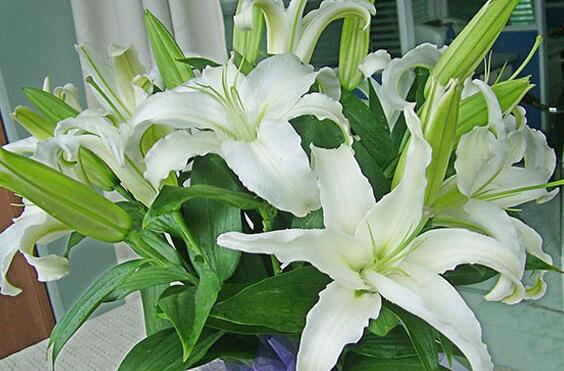
Lily, one of the most beautiful flowers in China, is highly ornamental in appearance and deeply loved by flower enthusiasts. But besides being ornamental, lily has many other benefits and effects, such as garden value, beauty effects, anti-cancer effects and more. As for exactly what they are, the editor has summarized the following 4 points:
1. For people to admire
Lily, one of China's famous flowers, is so well known that virtually everyone knows of it; it is a flower with a beautiful shape and bright colors. Growing a lily at home, the beautiful scene when it blooms is extremely ornamental and truly pleasing to the eye. So one of the benefits and effects of lily is that it is there for people to admire.
2. Garden value
Lily has rich colors and often appears in gardens and scenic areas, where it is a key object of appreciation. Every July, when the lilies bloom, large numbers of people go to places where lilies are grown to admire the flowers. Looking at the beautiful scene and smelling the fragrance of the flowers - interested friends can give it a try~
3. Medicinal effects
Besides ornamental and garden value, the medicinal value of lily should not be underestimated either. It is said that it not only has beauty and skin-nourishing effects, but also has remarkable effects in preventing and fighting cancer. Overall, in terms of medicinal use, the benefits and effects of lily include the following 4 points:
① Beauty and skin care
It is said that lily flowers are pure white in color and contain mucilaginous substances and vitamins, which are beneficial to the metabolism of skin cells. If lily products are often used in daily life, they have a certain beauty effect. It is worth mentioning that for many men with oily skin, eating more lily will give good results~
② Preventing and fighting cancer
When it comes to the benefits and effects of lily, the one that attracts the most attention is still its role in preventing and fighting cancer. It is said that lily contains a variety of alkaloids, has a preventive effect on leukopenia, can raise blood cell counts, and has a therapeutic effect on cytopenia after chemotherapy and radiotherapy. In addition, lily can also improve the body's immune capacity, so lily has a relatively good preventive and therapeutic effect on many kinds of cancer.
③ Moistening the lungs and relieving cough
Besides beauty and [cancer] prevention, relieving cough is also one of the effects of lily. Lily contains mucilaginous substances and has a sedative and cough-relieving effect, suitable for pulmonary tuberculosis, cough, hemoptysis and other conditions.
④ Calming the mind and soothing the nerves
And in calming the mind, lily also has a good effect. It is mostly used for conditions such as lingering heat after febrile disease, mental confusion, insomnia and frequent dreaming, and depression.
4. Edible value
Among the benefits and effects of lily, besides being ornamental and medicinal, it can also be eaten! It is said that lily contains starch, protein, fat and various nutrients, all of which have good nutritional and tonic effects. It has remarkable effects on weakness after illness, neurasthenia and other conditions.
II. The benefits, effects and contraindications of lily
What was said above are the benefits and effects of lily. Next let's talk about the contraindications. Although lily is good, not everyone can eat it. As far as the editor knows, the following two groups of people are not suited to use lily:
1. Postpartum women should not eat it
Generally speaking, everyone can eat lily, but postpartum women must be careful - they cannot eat lily, because lily has a certain toxicity and eating it directly may cause symptoms such as vomiting and diarrhea. For a woman who has just given birth, this is fatal!
2. Babies cannot eat it
Besides pregnant women, babies also cannot eat lily. It is said that although lily has the effects of nourishing the heart and calming the nerves, moistening the lungs and relieving cough, and can tonify qi, it may also damage lung qi, which is fatal for a newborn baby.
The benefits, effects, edible methods and contraindications of lily
Lily has long been known as the "Fairy in Cloud Garments" and carries meanings such as hearts in harmony, a hundred years of harmony, and pure elegance. It has high ornamental value and has been deeply loved by people since ancient times; some countries even regard it as their national flower.
So do you know what the benefits and effects of lily are? What are the edible methods of lily? What are the dietary contraindications of lily?
The benefits and effects of lily
1. Lily is pure white and delicate, pure and elegant, with an intoxicating fragrance and stunning beauty. It is known as the "Fairy in Cloud Garments" and is a very precious new variety of cut flower. People often use lily as a cut flower for appreciation; it is extremely beautiful.
2. Lily is a traditional export specialty of our country, and both fresh eating and dried use are good choices. It contains a variety of nutrients, and regular consumption is good for health. Fresh lily is rich in mucilaginous substances and vitamins, which are beneficial to the metabolism of skin cells. Using lily to make a facial mask can beautify and nourish the skin, making the skin white, tender and smooth.
3. Lily is sweet in taste and neutral in nature, contains a variety of nutrients, is nutritious and tonic, and has effects such as warming the lungs and stopping cough, nourishing yin and clearing heat, calming the heart and soothing the nerves, and promoting urination and bowel movements. It is especially good for treating heart and lung disorders, and is very beneficial to people who are weak after illness.
4. Lily is rich in a variety of alkaloids, has a preventive effect on leukopenia, can raise blood cell counts, and has a therapeutic effect on cytopenia after chemotherapy and radiotherapy. In the body, lily can also promote and enhance the mononuclear phagocyte system and phagocytic function, improving the body's humoral immune capacity. Therefore, lily has a relatively good preventive and therapeutic effect on many kinds of cancer.
The edible methods of lily
1. Lily congee: Take 50 grams of lily powder and 60 grams of japonica rice. Wash the lily and rice separately, add water, and put them in a pot to simmer over low heat. When the lily and japonica rice are cooked and soft, add an appropriate amount of sugar and it is ready to eat. In addition, white fungus and mung beans can be added to the lily congee, which has the effects of nourishing yin and moistening the lungs, and clearing heat and detoxifying.
2. Steamed lily: Mix fresh lily petals with honey, steam them, and chew and eat them to treat cough due to lung heat.
3. Lily decoction: Take 30 grams of lily powder, 9 grams of dwarf lilyturf tuber, 12 grams of mulberry leaf, 9 grams of apricot kernel, and 10 grams of honey-fried loquat leaf, add water and boil; it has the effects of nourishing yin and releasing the exterior, and moistening the lungs and relieving cough. Alternatively, take fresh lily and lotus plumule and decoct them together in water; drinking the liquid daily can treat mouth and tongue sores.
4. Lily soup: Remove impurities from the lily and wash it, add water to a pot, boil until extremely soft, add an appropriate amount of white sugar, and eat together with the soup. It can serve as an excellent dietary therapy for tuberculosis patients. When eaten it is slightly bitter, but savored carefully it is sweet within the bitterness, leaving a pleasant aftertaste; if stored in the refrigerator for a while, it becomes an excellent chilled drink.
5. Stir-fried lily: Take 50 grams of lily powder and 50 grams of pork tenderloin slices, mix with salt, egg white and wet starch, stir-fry together in an oiled pan until hot, add an appropriate amount of seasoning and eat. The flavor is mellow but not greasy, crisp, sweet and fragrant, and it has the effects of tonifying the five viscera, nourishing yin and clearing heat, and increasing appetite.
6. Red bean paste with lily and lotus seeds: 500 grams of red beans, 25 grams of lily, 60 grams of lotus seeds. Put the red beans and clean water into a soy milk maker and blend into red bean paste, then soak the lily and lotus seeds in hot water, put everything in a clay pot and cook until done.
7. Lily tea: 10 grams of lily, an appropriate amount of white sugar (milk, honey), add 200 mL of boiling water and it is ready to drink.
8. Stewed lily with rock sugar: 60 grams each of lily and rock sugar, and 15 grams of coltsfoot flower. Wash the lily and tear it open, put it together with the coltsfoot flower into a clay pot, add water and stew over gentle heat; when nearly done, add the rock sugar, and when the lily is cooked and soft it is ready to eat. It has the effects of moistening dryness and clearing fire, and calming the heart and nourishing the lungs.
9. Steamed lily: 500 grams of fresh lily and an appropriate amount of white sugar. Wash the lily and break it open into pieces; place on a plate, add white sugar and steam until done. It has the effects of moistening the lungs and relieving cough, and calming the heart and soothing the nerves, and can treat dry cough, chronic cough, insomnia, restlessness and other conditions.
10. Lily and winter melon soup: 50 grams of lily, 400 grams of fresh winter melon, and 1 egg. Wash the lily and tear it into pieces, cut the winter melon into thin slices, add water and bring to a boil, pour in the egg white, add an appropriate amount of oil and salt, mix well and simmer into a soup; when the soup turns milky white it is ready to eat. This soup has the effects of cooling, removing heat and relieving summer heat, and is an excellent summer dietary dish.
Contraindications of lily
In daily life we often use lily when making soup or cooking dishes, but lily also has dietary contraindications. So what should be noted when eating lily?
Nowadays people buy lily not just for viewing, but to make some delicious and nutritious recipes to eat; it can be made into various delicious recipes and can provide some health benefits.
It not only has external ornamental value, but its internal practical value is also considerable. Lily can be prepared and eaten together with many ingredients, and making it is very simple. However, if it is eaten incorrectly or paired with the wrong ingredients, it can lead to some illnesses.
Therefore, before eating lily, we should understand how lily cannot be eaten and what ingredients it cannot be paired with - that is, the dietary contraindications of lily.
1. People with wind-cold cough, deficiency-cold bleeding, or poor spleen and stomach should avoid eating lily.
2. Moreover, experiments on rats and dogs have found that long-term/large-dose consumption can cause damage to the lungs and kidneys and affect white blood cells and platelets of the whole wild lily plant. Even edible lily has a certain toxicity, so it is recommended to consult a physician before use.
3. Direct contact with the raw bulb may cause skin itching, and swallowing the raw bulb may cause symptoms such as vomiting and diarrhea.
4. When eating lily, pay attention to whether your constitution is suitable for it and whether eating it conflicts with your constitution, such as wind-cold cough and deficiency-cold bleeding.
5. People with poor spleen and stomach should not eat lily, and should also pay attention to consuming an appropriate amount, otherwise it can cause damage to the lungs and kidneys.
Have you all remembered the above introduction to the dietary contraindications of lily?
The benefits, effects and contraindications of lily
Lily is a flower that women tend to love; it represents purity, elegance, and wishes coming true. Many people give lily as a gift or grow it themselves. Lily is most commonly seen on Teachers' Day, Nurses' Day and Mother's Day. Besides being given as a gift and appreciated, what other effects does lily have? Let's learn about the benefits of lily together below!
The benefits, effects and contraindications of lily
The benefits and effects of lily
1. Moistening the lungs and relieving cough
Sweet, cool, clearing and moistening, it mainly enters the lung and heart meridians, excels at clearing the lungs, moistening dryness and stopping cough, and calming the heart, soothing the nerves and stopping fright. It treats dry heat cough due to lung yin deficiency, chronic cough due to lung deficiency, blood-streaked phlegm, and consumptive cough with hemoptysis, and is commonly used for dry lung cough and deficiency irritability and restlessness.
2. Calming the heart and soothing the nerves
Lily enters the heart meridian and is slightly cold in nature. It can clear the heart and relieve restlessness, calm the heart and soothe the nerves, and is used for conditions such as lingering heat after febrile disease, mental confusion, insomnia and frequent dreaming, depression, and a tendency to be sad and want to cry.
3. Beauty and skin care
Lily is pure white and delicate; the fresh product is rich in mucilaginous substances and vitamins, which are beneficial to the metabolism of skin cells. Regular consumption of lily has a certain beauty effect.
4. Preventing and fighting cancer
Lily contains a variety of alkaloids, has a preventive effect on leukopenia, can raise blood cell counts, and has a therapeutic effect on cytopenia after chemotherapy and radiotherapy. In the body, lily can also promote and enhance the mononuclear phagocyte system and phagocytic function, improving the body's humoral immune capacity. Therefore, lily has a relatively good preventive and therapeutic effect on many kinds of cancer.
Contraindications of lily
When lily blooms it produces toxic substances, so do not place it in the bedroom.
How to pick lily
After lily opens, it can be picked for use as cut flowers. After picking, the lily plant will not bloom again that year. The stems and leaves will gradually wither; at this point the withered above-ground parts can be removed. There is no need to take out the bulbs for sand storage, and no need to water or fertilize. Just put the whole pot with soil in a corner of the balcony where rain cannot reach and direct sunlight cannot reach. The next spring, take out the bulbs again and plant them separately in pots. If the climate is unusual, lily will sprout in November to December; in this case, they can be divided and planted once they have sprouted.
Picking method: When the first flower bud on the lily branch has fully swollen and shown color, it can be picked. Opening too early is not good and affects the flower color; opening too late not only causes difficulties for packaging, but also pollutes the petals because the pollen disperses. Cutting flowers can be done before 10 a.m.; the branches should leave the greenhouse as soon as possible and be inserted into clean water in time. Picked lily cut flowers open very easily in a warm environment.
Preservation method: Change the water once every one or two days, and cut off 1 to 2 cm of the lily stem every day. Use scissors to trim the ends of the cut flowers so that the cut surface of the branches stays fresh. This can keep the water-absorbing function of the branches in good condition and extend the life of the cut flowers.
Dietary therapy methods for lily
1. Clearing fire and calming the nerves, suitable for dizziness and blurred vision caused by old age and weakness and phlegm-fire: 15 grams of dried lily flowers, brew with boiling water and drink as tea.
2. Clearing fire and calming the nerves, suitable for deficiency-fire vertigo: 3 fresh lily flowers, 7 Chinese honeylocust seeds (lightly roasted), add an appropriate amount of water, put in a little white sugar, decoct for three to five boils, wait until warm, and take in 2 divided doses.
3. Moistening the lungs and relieving cough, suitable for cough with profuse phlegm: 30 grams of fresh lily flowers, 50 grams of honey. Mix well, stew over water until boiling, and take in 2 divided doses, 1 dose per day, for 7 consecutive days.
4. Moistening the lungs and relieving cough, suitable for pulmonary tuberculosis cough: 15 grams of dried lily, 10 grams of dwarf lilyturf tuber, 30 grams of Reineckea carnea, 30 grams of rock sugar, decoct in water and take.
How to make lily
Lily and egg custard
Ingredients: fresh lily flowers, magnolia slices, soaked white fungus, soaked black fungus, spinach leaves, fresh stock, sesame oil, wet starch, yellow wine, eggs, refined salt, MSG, chopped scallions, pepper powder.
Method:
1. First wash the fresh lily flowers, blanch them in boiling water and take them out. Beat the egg white and egg yolk separately into two bowls, and add a little refined salt, MSG and pepper powder to each bowl and stir evenly.
2. Pour 1000 grams of water into a pot and bring to a boil, pour in the egg white and egg yolk separately, and when cooked take them out and drain.
3. Heat a pot over the fire, add oil and heat to 50 percent hot, add chopped scallions and stir-fry until fragrant, add fresh stock, magnolia slices, fungus and lily flowers, add yellow wine, refined salt and MSG and bring to a boil, add the egg white, egg yolk and spinach leaves, thicken with wet starch, drizzle with a little sesame oil, and it is ready when taken out of the pot.
Effects: Clearing heat and eliminating phlegm, beauty and weight loss.
Lily has effects such as moistening the lungs and relieving cough, calming the heart and soothing the nerves, beauty and skin care, and preventing and fighting cancer. Lily is very beautiful and also has a faint fragrance, but whether lily can be placed in the bedroom is a question, because when it blooms it produces toxic substances that affect the body. Lily can be made into custard; above, the editor shared with you the method for lily and egg custard. When you have the chance, you can try making it yourself.