-

Symptoms and Prevention and Treatment Methods of Pregnancy Toxemia in Dairy Cows
Dairy cows are yellow cattle of the dairy breed, an excellent breed developed through highly intensive selective breeding. In China, dairy cows are mainly Holstein-Friesian cows. This breed was first introduced in 1980 by the cattle and sheep breeding base of the Shandong Provincial Animal Husbandry Bureau. This breed has strong adaptability, a wide distribution range, and high milk production
-
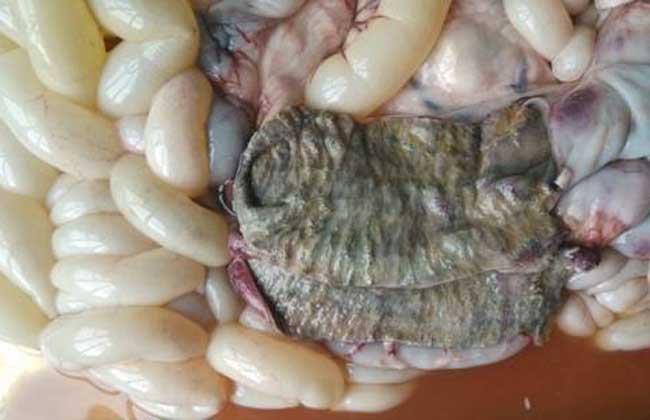
What are the prevention and treatment methods for enterotoxemia in sheep?
Prevention and treatment methods for enterotoxemia in sheep
-
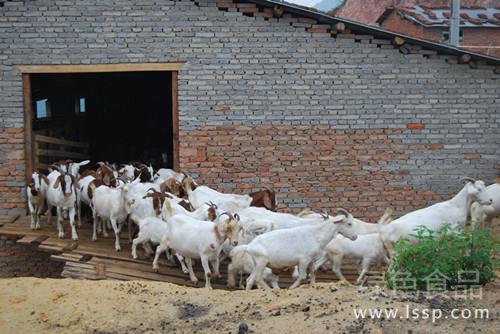
How to prevent and treat enterotoxemia in sheep causing them to lie dazed, run around, grind their teeth, twitch and convulse?
Prevention and treatment methods for enterotoxemia in sheep with symptoms of lying dazed, running around, teeth grinding, twitching and convulsions
-
-
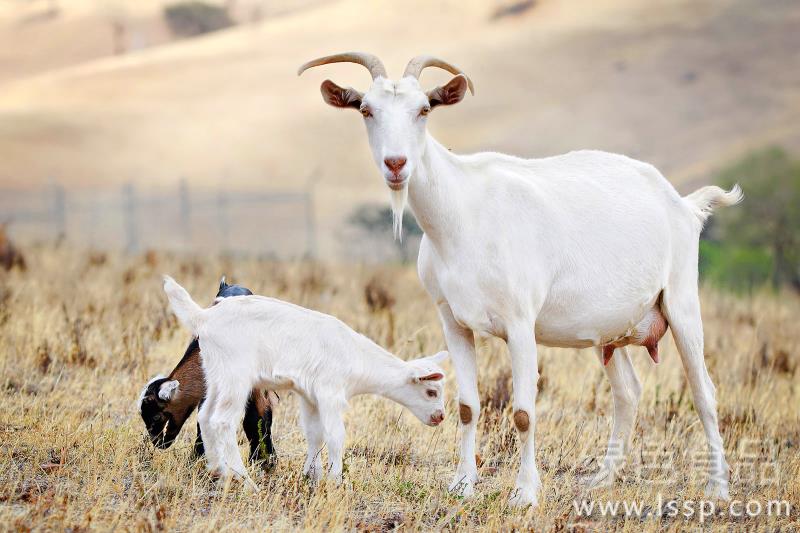
The mortality rate of pregnancy toxemia in ewes is as high as 70%, how can it be prevented and treated?
Pregnancy toxemia mortality rate as high as 70%, how to prevent and treat toxemia in ewes
-
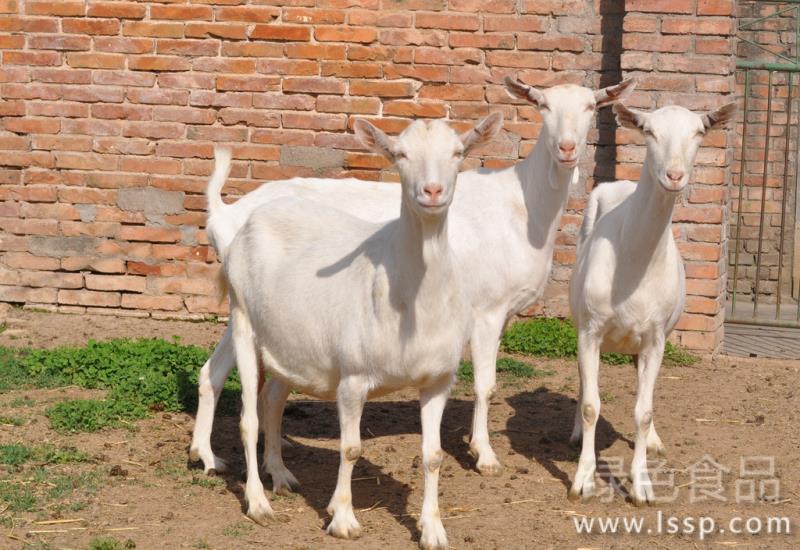
How to prevent and treat goat pregnancy toxemia when a ewe carrying multiple fetuses has poor fetal qi flow before giving birth?
How to prevent and treat goat pregnancy toxemia when a ewe carrying multiple fetuses has poor fetal qi flow before giving birth
-
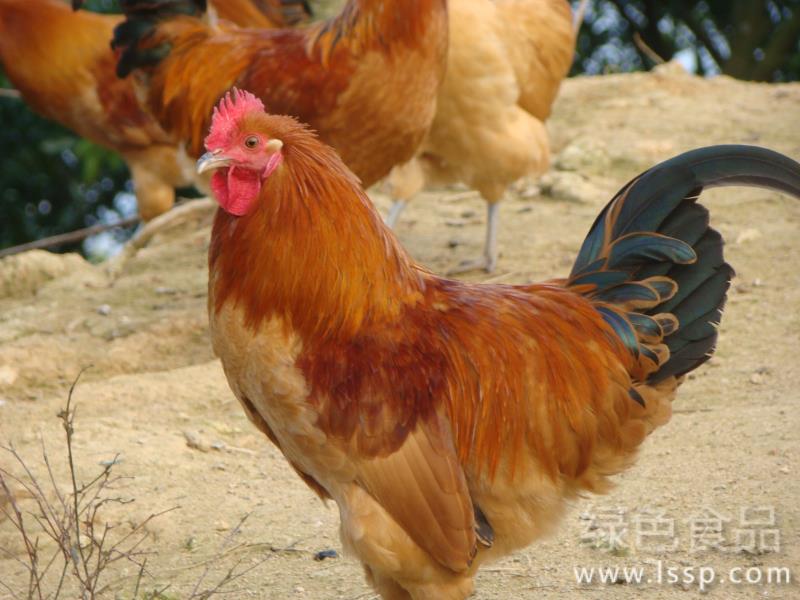
How to Prevent and Treat Slow Growth Caused by Chicken Intestinal Toxemia Syndrome
How to Prevent and Treat Chicken Intestinal Toxemia Syndrome That Slows Chicken Growth
-
What are the characteristics of sheep struck (enterotoxemia) and how is it prevented and treated?
Sheep struck is a toxemia caused by Clostridium welchii type C, clinically characterized by acute death, peritonitis and ulcerative enteritis. I. Pathogen Clostridium welchii, also known as "Bacillus aerogenes capsulatus," belongs taxonomically to the genus Clostridium. This bacterium is Gram-positive, can form a capsule in the animal body, and its spores are located in the center of the bacterial cell. This bacterium can produce multiple exotoxins such as alpha, beta, epsilon and iota; based on toxin-antitoxin neutralization tests, Clostridium welchii can be divided into 5 toxin types: a, b, C, D and E. Sheep
-
Key Points for Preventing and Treating Chicken Intestinal Toxemia Syndrome in Late Autumn
In late autumn, the climate changes abnormally, with large temperature differences between day and night. Broiler chickens and laying hens often develop intestinal toxemia syndrome, characterized by diarrhea, undigested feed in the droppings, a marked drop in feed intake, slow growth, weight loss, and dehydration. Necropsy of dead chickens reveals brain fluid in the head, reddened thymus in some birds, swelling of the duodenum, and thickening of the intestinal wall, which feels very hard to the touch. There is no feed in the intestinal tract, the intestinal mucosa has sloughed off in large amounts, and some intestinal segments contain frothy material and tomato-like droppings. The gallbladder becomes smaller and pale yellow,
-
Diagnostic Key Points and Treatment Methods for Chicken Intestinal Toxemia Syndrome
Due to abnormal climate changes, the temperature difference between day and night varies greatly, and broiler and layer chickens often develop intestinal toxemia syndrome characterized by diarrhea, undigested feed in the feces, a significant drop in feed intake, slow growth, weight loss, dehydration and a decline in feed conversion efficiency. I. Clinical symptoms The flock is still in fairly good spirits, but grows slowly, and the combs are pale. Some diseased chickens pass white strip-like or mucus-like feces containing undigested feed, and the feces are slightly yellow. A few chickens show listlessness, head retraction, head tremor, running about restlessly and easy startling,
条件筛选