How to Prevent and Treat Slow Growth Caused by Chicken Intestinal Toxemia Syndrome
Intestinal toxemia syndrome is caused by multiple factors and involves inflammation, thickening, sloughing, bleeding and necrosis of the chicken intestinal mucosa. Chicken intestinal toxemia syndrome can occur in all four seasons, but it is most common in summer, autumn and winter when the climate and temperature differences change greatly. Chickens of any age can be affected, especially chickens from 15 to 90 days of age. Laying hens can also be affected, and broilers have a higher incidence. Intestinal toxemia syndrome can slow the growth rate of chickens and increase the feed-to-meat ratio, but the mortality rate is not high, so it is easily overlooked. Scientific prevention and treatment help the flock grow healthily.
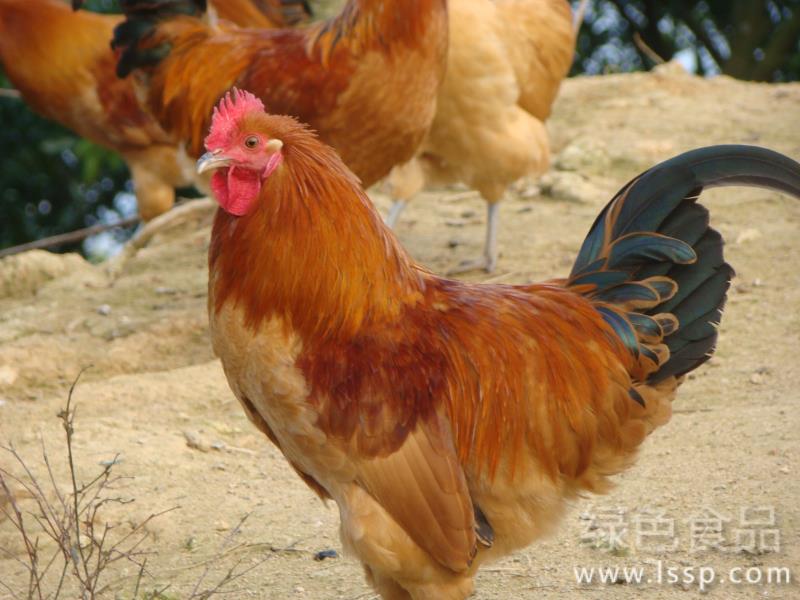
Chicken
1. Do not administer medication through feed
Intestinal toxemia syndrome causes broilers to constantly flick at their feed. After the chickens become ill, feed intake drops. If medication is mixed into the feed at this time, the feed will be eaten by healthy chickens and mildly affected chickens, while sick chickens have no appetite or eat very little, so the therapeutic effect cannot be achieved and the expected result will not be obtained.
2. Stop using multivitamins
Vitamins can supplement nutrition and enhance resistance, but when chickens have intestinal toxemia syndrome, multivitamins must be prohibited. This is because intestinal toxemia syndrome causes disorder of the chicken intestinal function, hinders nutrient absorption, and allows harmful substances to invade. At the same time, in the digestive tract, feed and sloughed intestinal mucosa mix together, leading to massive bacterial reproduction. If vitamins are added at this time, they not only cannot be absorbed, but also increase the nutrition of the intestinal contents, which instead helps harmful bacteria reproduce and makes treatment even worse.
3. Use medication cautiously in the early stage of the disease
In the early stage when intestinal toxemia syndrome is discovered, people often rush to give chickens strong medication, but the result is often that the chicken mortality rate immediately appears after medication, and the symptoms only ease after more than two courses of treatment. In the chicken intestines, large numbers of Gram-negative bacteria reproduce, causing digestive dysfunction. Coccidia reproduce and release harmful substances. In addition, when high-dose antibiotics are used, Gram-negative bacteria die and disintegrate, releasing excessive toxins, which can cause disorder of the chicken body's regulatory system and even shock and death.
4. Guide toxin elimination
Many chicken diseases can cause diarrhea, and intestinal toxemia syndrome is no exception. Chickens with intestinal toxemia syndrome usually pass yellow, dark red or brown, thin syrupy droppings. Most farmers' first reaction is usually to use medication to stop diarrhea, but the cause of death in chickens with intestinal toxemia syndrome is not diarrhea, but poisoning. Forcibly stopping diarrhea instead worsens the chicken poisoning, and the mortality rate does not fall but rises, or the effect is poor after several days of medication. Therefore, when chickens develop intestinal toxemia syndrome, the approach should be to guide toxin elimination, not simply to stop diarrhea.