The mortality rate of pregnancy toxemia in ewes is as high as 70%, how can it be prevented and treated?
Pregnancy toxemia in ewes, also known as pregnancy ketosis, is a metabolic disorder that occurs in the late stage of pregnancy in ewes. The main symptoms are hypoglycemia, ketonemia, ketonuria, prenatal paralysis, and hepatic steatosis. It generally occurs more often in ewes carrying twins or triplets, with a mortality rate as high as over 70%.
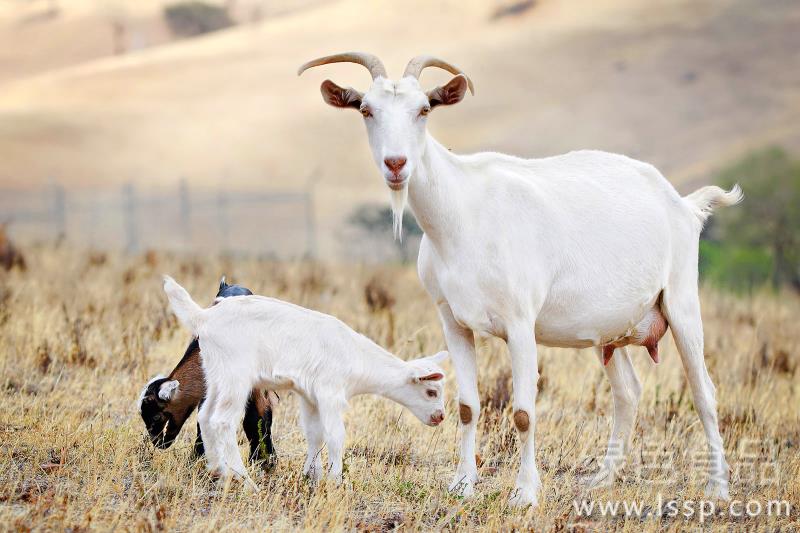
Sheep
1. Causes of the disease. (1) Improper feeding and management, a single type of feed, and a lack of protein and carbohydrates in the ewe's daily ration, resulting in incomplete nutrition. (2) Pregnant ewes have good nutrition in the early stage but poor nutrition in the later stage, and lack exercise. (3) Disorders of substance metabolism in the pregnant ewe's body. As the lamb fetus grows and develops, the ewe cannot meet the needs of the fetus and herself, and mobilizes liver glycogen and fat. (4) Insufficient blood supply to the uterus and placenta, excessive uterine tension, or polyhydramnios, etc., compress the uterine blood vessels and cause local ischemia, leading to early placental abruption. (5) Stimulation by external factors such as sudden climate changes, pain, and stress increases adrenal cortical aldosterone.
2. Symptoms of the disease. At the beginning of the illness, the ewe is depressed, has reduced appetite, pale mucous membranes, and unsteady gait. In severe cases, appetite is completely lost, visible mucous membranes turn yellow, standing becomes difficult and the ewe lies down, the head is tilted to the side, muscle spasms occur, movement is uncoordinated, the hindquarters become paralyzed, the pupils dilate, vision declines, heartbeat speeds up, breathing becomes difficult, teeth grinding occurs, and the ewe dies in a coma. Protein and sugar levels in the blood decrease, ketone bodies increase, and ketone bodies appear in the urine.
3. Prevention and treatment measures
1. Preventive measures: Improve the feeding environment and strengthen feeding management. Pregnant ewes kept indoors in winter and spring should be fed a varied diet, with sufficient protein, minerals such as calcium and phosphorus, and green feed, and should also exercise appropriately. 1-3 days before giving birth, test the blood lipids and urine ketones of pregnant ewes so as to detect and handle problems early.
2. Treatment measures. Protect the liver, reduce blood ketones, promote metabolism, and prevent acidosis.
(1) General cases: Protect the liver, reduce blood ketones, inject 100-200 ml of 20-50% glucose intravenously once, add 0.5 g of vitamin C, 1-2 times a day, for 3-5 consecutive days. At the same time, administer 10-20 g of sodium propionate orally, twice a day, for 1 consecutive week. To promote metabolism, inject 0.05 g of vitamin B1 and 0.5 g of vitamin B6 intramuscularly. To correct acidosis, inject 50 ml of 5% sodium bicarbonate intravenously once, for 3 consecutive days.
(2) A small number of cases: When the ewe's condition worsens and her life is in danger, the pregnancy should be terminated. Use dexamethasone or cloprostenol to induce labor, and if necessary, perform a cesarean section.