What are the prevention and treatment methods for enterotoxemia in sheep?
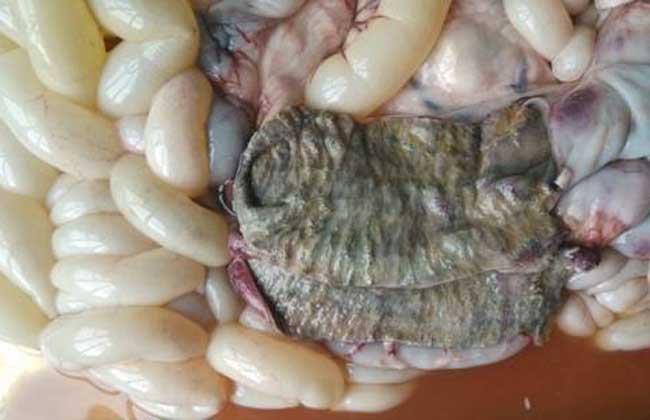
Enterotoxemia in sheep, also known as soft kidney disease, braxy-like disease, etc., is an acute infectious disease of sheep caused by the massive proliferation of Clostridium welchii in the sheep intestine and the production of toxins. It is characterized by sudden onset, rapid death, and softening of the kidneys after death. It mostly occurs at the turn of spring and summer and in autumn, and is especially common in sheep aged 2 to 12 months with good body condition. Now let us take a look at the prevention and treatment methods for enterotoxemia in sheep.
Epidemic characteristics
Clostridium welchii is a common soil bacterium and also exists in sewage. Usually, when sheep eat forage or drink water contaminated with spores, the spores enter the digestive tract, and under normal circumstances this does not cause disease. When the feed is suddenly changed, especially from eating hay to consuming large amounts of grain or young, tender, succulent, and protein-rich forage, the sheep's resistance decreases and digestive function becomes disordered. Type D Clostridium welchii rapidly multiplies in the intestine and produces large amounts of e-protoxin, which is activated by trypsin into e-toxin. The toxin enters the blood, causing systemic toxemia and death from shock. The occurrence of enterotoxemia in sheep often shows a certain seasonality. In pastoral areas, it occurs more frequently at the turn of spring and summer when sheep rush to graze on fresh grass and for a period after pasture grass sets seed in autumn. In agricultural areas, it is more common during the harvest and stubble-grazing season or when large amounts of protein-rich feed are consumed. It generally occurs in sporadic outbreaks.
Clinical symptoms
Enterotoxemia in sheep occurs suddenly. Affected sheep show symptoms of abdominal pain and bloating. Sick sheep often stand apart from the flock in a daze, are unable to rise after lying down, or run about alone. In the dying stage, there is borborygmus or diarrhea, with passage of yellow-brown watery thin feces. The whole body trembles, teeth grind, the head and neck are thrown back, foam flows from the mouth and nose, and the animal dies in a coma. Body temperature is generally not high. Routine blood and urine tests show elevated blood glucose and urine glucose.
Pathological changes
The lesions of enterotoxemia in sheep are mainly limited to the digestive tract, respiratory tract, and cardiovascular system. There is undigested feed in the abomasum. The intestines, especially the small intestine, are congested and hemorrhagic; in severe cases, the intestinal wall of the entire intestinal segment is blood red or has ulcers. The lungs are hemorrhagic and edematous, and the kidneys are softened to a muddy consistency, which is generally considered a postmortem change. There is fluid accumulation in the body cavities, cardiac dilation, and hemorrhagic spots on the endocardium and epicardium.
Prevention and treatment methods
1. In areas where the disease commonly occurs, regularly vaccinate each year with the "sheep braxy, enterotoxemia, and sudden death triple vaccine" or the "sheep braxy, enterotoxemia, sudden death, lamb dysentery, and black disease pentavalent vaccine." Regardless of size, all sheep are injected subcutaneously or intramuscularly with 5 milliliters. Immunity develops 2 weeks after vaccination, and the protection period lasts up to half a year.
2. Strengthen feeding management. In agricultural and pastoral areas, during the turn of spring and summer when sheep rush to graze on fresh grass and stubble, and in autumn, avoid consuming excessive amounts of seed-bearing grass. When the disease occurs, promptly move the sheep to high, dry pastureland.
3. The course of enterotoxemia in sheep is short and treatment is often too late. When many cases appear in a flock, non-affected sheep can be given 500 to 1000 milliliters of 10 to 20% lime milk orally for prevention.