-
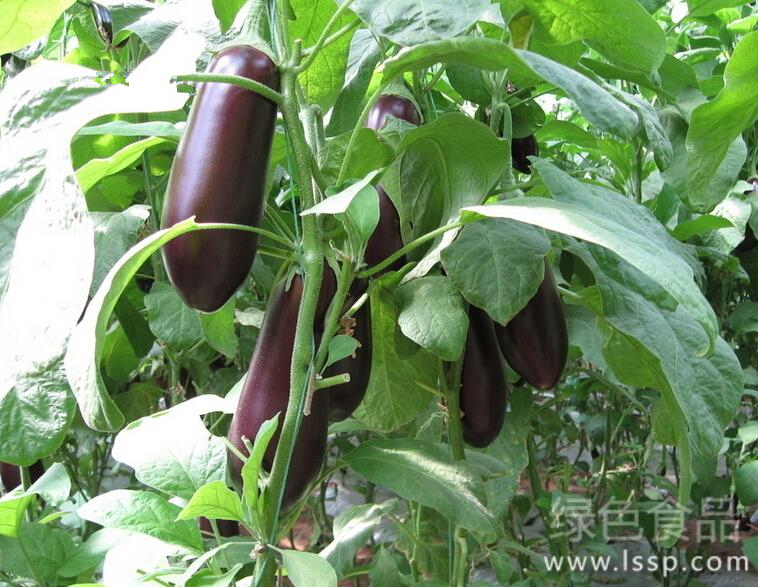
Key points for topdressing open-field eggplants: rational use of chemical fertilizers to increase yield
Rational use of chemical fertilizers to increase yield: key points for topdressing open-field eggplants
-

How to open a bonsai shop? A detailed explanation of the opening process and preparatory work
When it comes to developing bonsai production, many people say that this project takes too long to get going, the production procedures are hard to master, and the market is limited. In fact, this is an incomplete understanding. If you produce medium and large bonsai, then it is indeed too long a cycle, the procedures are hard to master, the market is limited, and it will also lead to the destruction of wild resources
-

How to grow gardenias? Master the care methods to solve yellow leaves and buds that won't open
Gardenias are deeply loved by the public, and how to grow gardenias is also a question everyone cares about very much. Below we introduce the home growing methods for gardenias. Gardenia is also known as zhizi, and in the Ningbo area it is called yulanhua. It originated in our country. Rubiaceae family, an evergreen shrub. Its branches and leaves are lush, and its tree shape is beautiful. At the turn of spring and summer
-
What kind of technique is cotton "open-heart" cultivation?
Cotton "open-heart" cultivation is a technique in which, under certain conditions, manual measures are used to actively and predictively regulate the individual development of the cotton plant, cultivating a high-photosynthetic-efficiency plant architecture, to coordinate the relationship between cotton and climate, between aboveground and underground parts, and between vegetative growth and reproductive growth, so that more bolls are set in the optimal boll-setting period and the optimal boll-setting space, thereby achieving the goal of high yield and high quality. SGK321 cotton is a dual-gene transgenic insect-resistant cotton, obtained through biological breeding methods, and should be classified as conventional insect-resistant cotton.
-
Why do young bolls on the middle and upper parts of the cotton plant crack open prematurely?
Recently, some farmers called to report a strange phenomenon in cotton production: the large bolls and early-developing bolls on the lower part of the plant were growing normally and had not yet opened, while the tender bolls on the middle and upper parts cracked open prematurely, and some of the cracked bolls then rotted. The Wuqiao County Agriculture Bureau immediately organized technical personnel to go into the fields to find the cause. 1. Field symptoms: In early-sown cotton fields where the top 1-3 fruiting branches had no buds or bolls, or very few buds and bolls, due to rain or pest and disease damage, the number of cracked bolls on the middle and upper parts was relatively high, that is, the outer bolls on the 7th-8th fruiting branches counting from the bottom and the inner bolls on the 9th-10th
-
Cotton struggling to open its bolls? Reforming the planting method is key
In recent years, with the continuous deepening of the breeding of new cotton varieties and the improvement of sowing and seedling-raising methods, as well as the increase in the degree of agricultural mechanization, the planting method of cotton fields has become extremely important for high cotton yields. In the era when conventional cotton varieties dominated, cotton sowing was mostly direct seeding, cotton planting density was relatively high, cotton row spacing was relatively small, and cotton fertilization was mostly broadcast application. After hybrid cotton was promoted and applied on a large scale, because the individual development of hybrid cotton is larger, cotton field density was continuously reduced, cotton row spacing was expanded, and cotton
-
Do cotton plants still need topdressing after the flowers have opened all the way to the top?
In early August, we went to some concentrated cotton-producing areas to investigate and found that some cotton plants had already bloomed all the way to the top of the plant, and the color of the cotton main stem had also turned red up to the top. Farmers asked: Can cotton like this still be topdressed? Faced with such a question, the specific situation must be analyzed specifically. Generally speaking, if cotton has bloomed to the top in early August and the cotton stalks have also turned red to the top, it indicates that the cotton plant itself is suffering from malnutrition. Either the cotton field's fertilizer supply is insufficient, causing the cotton to suffer from fertilizer deficiency, and vegetative growth and reproductive growth have been inhibited; or fertilizer has already been applied but the cotton plant has not yet absorbed it; or early vegetative growth was
-
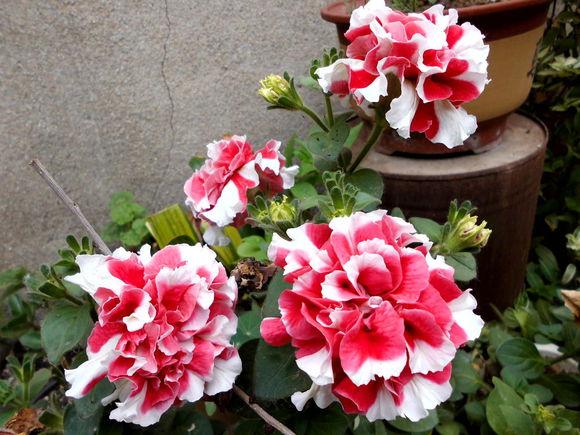
How to propagate double-flowered petunias, and what to do when buds form but do not open
Double-flowered petunia: this flower has many layers of petals and comes in many colors, and it is super beautiful. Let's see how to propagate double-flowered petunias. What to do when double-flowered petunias grow flower buds but do not bloom: Double-flowered petunia propagation methods: There are two propagation methods for double-flowered petunias, seed sowing and cuttings.
-
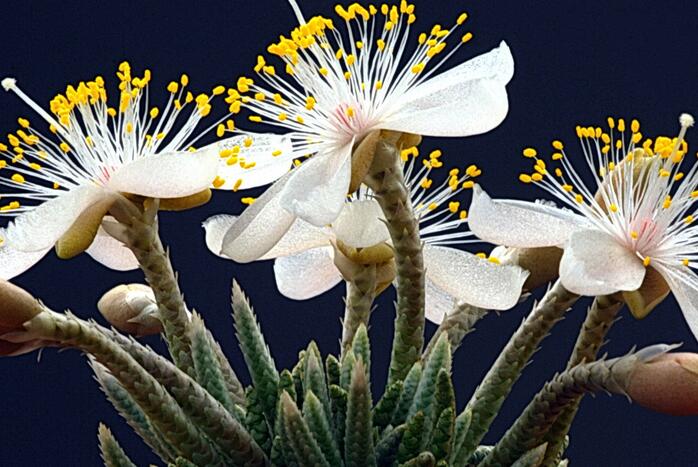
What to Do If Avonia quinaria subsp. alstoni (White-flowered Avonia) Does Not Bloom, and When Is It Hard for It to Open
The flowers of White-flowered Avonia resemble plum blossoms, with pale yellow anthers set among the white petals, showing off bright, vivid vitality! Yet such a fleeting, delicate bloom is rarely seen, and sometimes it does not flower at all. At such times, if you want to admire the "dancing silver snakes"
-
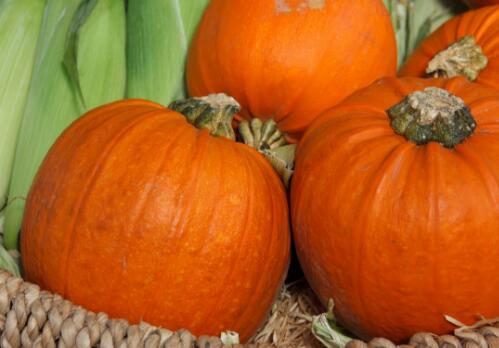
How to grow Tai Zaohuali squash? Key techniques for greenhouse and early spring open-field cultivation
Tai Zaohuali is a variety of squash, extremely early maturing, and a high-yielding type of young squash. The plant grows robustly and is not prone to running vines or excessive vegetative growth that affects fruit set. It generally can set 3-5 fruits continuously, and under conditions of heavy fertilizer and water, each plant can harvest 12-15 fruits, with a single fruit weight of 500-700 grams
条件筛选