How to grow Tai Zaohuali squash? Key techniques for greenhouse and early spring open-field cultivation
Tai Zaohuali is a variety of squash, extremely early maturing, and a high-yielding type of young squash. The plant grows robustly and is not prone to running vines or excessive vegetative growth that affects fruit set. It generally can set 3-5 fruits continuously, and under conditions of heavy fertilizer and water, each plant can harvest 12-15 fruits, with a single fruit weight of 500-700 grams. In recent years, many growers have started cultivating this variety. So, how to grow Tai Zaohuali squash? What are the key techniques for greenhouse cultivation and early spring open-field cultivation?
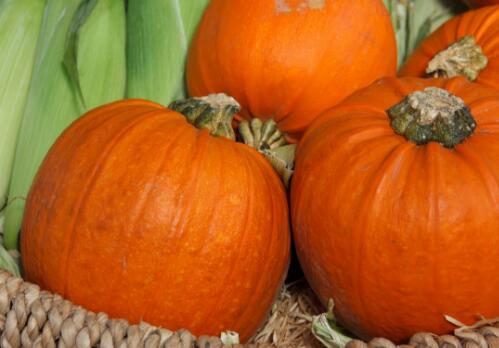
I. Key points for extremely early maturing greenhouse cultivation of Tai Zaohuali squash
1. This variety can withstand short periods of low temperatures around zero degrees, and low temperatures with short daylight can promote its female flower differentiation. Therefore, this variety can be used for extremely early maturing cultivation of young squash, seizing the early market for good prices and increasing economic returns.
2. Sow in late December. Keeping the soil dry inside the greenhouse helps raise the temperature. Water the nutrient pots thoroughly with hot water. The germination method is the same as for open-field cultivation. Sow 1-2 seeds per pot. Lay heating wires to raise the temperature. Other seedling management is the same as for open-field cultivation seedling management.
3. The seedling age is about 60 days. After hardening, select strong seedlings with dark green leaves and thick stems and roots, and transplant them into the greenhouse on a sunny day. Open 3 beds inside the greenhouse, with a bed surface width of about 1.5 m. Plant 2 rows per bed, with a plant spacing of about 40 cm. In areas with lower temperatures, a small arch shed can be added for double-layer insulation. After transplanting, keep the greenhouse closed for about 7 days to preserve heat and help the seedlings recover. After recovery, ventilate. When the vines are about 1 m long, tie the vines to the trellis and remove the small arch shed.
4. Remove lower side branches and old leaves. Use male flowers for pollination, or spray fruit-setting hormone. Under normal weather conditions, they come to market in early April.
5. Pay attention to the prevention and treatment of pests and diseases.
II. Key techniques for early spring open-field cultivation of Tai Zaohuali squash
1. Choose soil with rice-upland crop rotation and convenient irrigation for planting. Use high-bed cultivation. For cultivation with A-frame trellises, the bed surface width is 1.6 m, the bed ditch depth is 0.3 m, and the bed ditch width is 0.4 m. After successful seedling raising, open 2 longitudinal ditches on the bed surface 0.3 m from the ditch, apply base fertilizer in the longitudinal ditches, then cover with plastic film. Punch holes in the film at a row spacing of 0.9 m and a plant spacing of 0.4 m. Transplant the squash seedlings into the holes, planting 1800-2000 plants per mu. For ground-creeping cultivation, the bed surface width is about 1.5 m, the bed ditch width is 0.3 m, and the depth is 0.3 m. Punch holes for transplanting at a plant spacing of 1 m, plant one row per bed, and plant about 550 plants per mu. Open longitudinal ditches 0.3 m from the ditch to apply base fertilizer. Apply about 4000 kg of farmyard manure and about 50 kg of compound fertilizer per mu as base fertilizer.
2. Raise seedlings in mid-to-late February. Use nutrient pots for seedling raising in the greenhouse. Soak the seeds in 55°C warm water while stirring continuously until the water temperature is about 30°C, then soak for 4 hours. Then wrap them in wet gauze and place them in a location at about 30°C for germination. After the seeds show white sprouts, sow them into nutrient pots, cover with about 1 cm of nutrient soil, and sow 1-2 seeds per pot. Cover with plastic film, and a small arch shed can also be built for insulation. Remove the plastic film after emergence. Remove the small arch shed after the temperature rises further.
3. After the vines fall over and the vines are about 0.5-1 m long, build an A-frame trellis with bamboo poles about 1.8 m long, and tie the vines to the trellis. Remove all side branches below the 5th-6th node of the vine. Keep the upper side branches according to the situation. Both the main vine and secondary vines can set fruit at the same time. For ground-creeping cultivation, side branches above the 5th node can be allowed to grow freely, or 3-4 secondary vines can be kept for fruit set.
4. Open the greenhouse and control water to harden the seedlings 7 days before planting. Plant in late March to early April, choosing a sunny day for planting. Before flowering, apply 0.5% monopotassium phosphate foliar fertilizer 1-2 times according to the situation. After fruit set, after harvesting 1-2 fruits according to the situation, apply 10-15 kg of compound fertilizer per mu as a topdressing.
5. In the rainy spring season, pay attention to dredging ditches and drainage. In summer and autumn, the temperature is high and drought is likely. Water can be led into the ditches for quick irrigation and quick drainage, also called "horse-running water" irrigation. Pay attention to the prevention and treatment of pests and diseases.