-
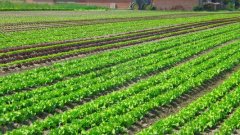
A Detailed Guide to Vegetable Growing Techniques and Practical Methods
If you are a first-time vegetable grower, it is best to grow wild vegetables. So-called wild vegetables include such plants as Madeira vine, Gynura bicolor, sweet potato leaves, ginseng herb, aloe, Taiwan angelica, and shungiku. Wild vegetables are easy to grow and high in energy, but they have a distinctive taste of their own, so insects dislike coming near them, and they can grow well without pesticides
-
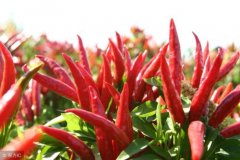
How to Grow Chili Pepper Seeds? A Detailed Guide to Growing Techniques and Methods
We all know chili peppers; this kind of pepper is very popular in Sichuan, Chengdu, and Guizhou, which is also the market value of growing it. So how do you grow chili peppers, and how can you grow them for high yield? As a superior cash crop, chili peppers
-
How to grow fennel? Fennel cultivation methods and suitable temperatures
Fennel is a major development-oriented cash crop in our prefecture, and many people grow fennel. So how do you grow fennel? Do you know? Below we introduce it from three aspects: the environmental requirements for fennel cultivation, the morphological characteristics of fennel, and the key points of fennel cultivation requirements
-
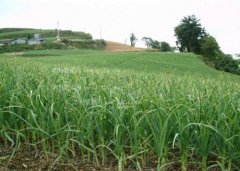
How to grow garlic sprouts? A detailed explanation of the key points of garlic sprout cultivation techniques
Do you like eating garlic sprouts? Most people do not like them, and only a small number of people do, but garlic sprouts are still bought by many people, because this is a side dish that can add flavor, and in many dishes we add garlic sprouts to enhance the taste. This has also led to more and more
-
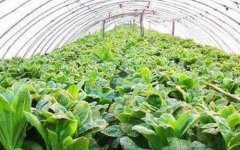
How to grow lettuce? Planting methods, timing and soil conditions
Lettuce cultivation methods are introduced in three aspects: the characteristics of lettuce seeds, the importance of optimal growing temperature and soil conditions. Planting time: In the Yangtze River basin, stem lettuce overwinters in the open field, with spring stem lettuce as the main crop, generally sown in the autumn of the first year from September to October. Seed characteristics: lettuce seeds
-
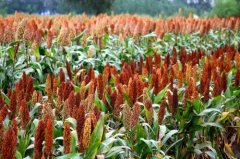
What Is Sweet Sorghum? Differences from Sorghum and a Detailed Guide to Growing Techniques
Do you know sweet sorghum? Why is sweet sorghum called sweet sorghum? Let's take a look at how it differs from sorghum. Sweet sorghum is a variety of grain sorghum and can also produce 5000-6000 kg of grain per hectare, but the seeds are smaller, with a 1000-grain weight
-
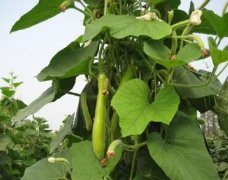
What is Bottle Gourd? How to Pinch and Prune When Growing Bottle Gourd
Bottle gourd is also called hu gua (calabash). Bottle gourd is a very popular vegetable, so do you know how it is grown? Would you like to learn about it? 1. Cultivation season: Although bottle gourd can be cultivated year-round in Taiwan, China, the central and northern parts are best planted in March to April, while the southern part is best planted between December and January of the following year, because at this time the temperature gradually rises, and plant development and reproduction are better than with autumn planting, with higher yields as well.
-

How to Grow Chestnut Pumpkin: Do Pumpkins Need Pollination? Controlling Pumpkin Powdery Mildew
To grow chestnut pumpkin, the seeds must first be sterilized, then kept warm to promote sprouting, then placed in a seedling pot filled with potting soil. Once the cotyledons and two true leaves have grown, they can be transplanted. They sprout in one week; plant them into a seedling pot, and after another week or so, transplant them into
-
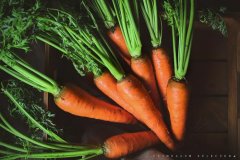
Detailed Guide to Carrot Planting Methods and Pest Control Techniques
Many people like to grow their own carrots because they feel they are healthier and fresher. And now there are more and more varieties, so there are more choices. The shapes are also endless, no longer just the long slender type, but also round types, straight-barrel types, and more, which may appeal more to children.
-
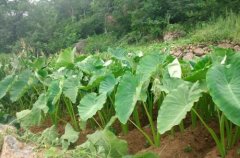
How many days is the taro growing period? A detailed guide to growing water taro
Taro is an edible plant, grown mainly for its root tubers. This vegetable is also in strong market demand. Taro belongs to the Araceae family and prefers a warm climate; if the temperature is too low, it is not suitable for taro growth. Generally, taro is planted in
条件筛选