-
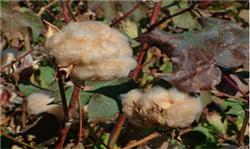
When Is the Best Time to Ripen Late-Developing Cotton
In recent years, we have trial-planted several colored cottons, including light brown, dark brown and green. The results show that to achieve good color effects and high yields, the following five key points must be grasped in cultivation. 1. Early sowing and early transplanting at the right time. According to the growth habits of colored cotton, it should be sown appropriately early; in our area, late March is suitable...
-
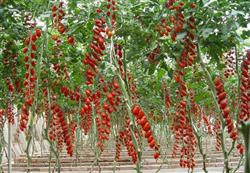
Cherry tomatoes have great planting potential and broad development prospects
I. Variety selection: Choose mid-to-late maturing varieties with strong growth vigor and a long fruiting period for high-trellis cultivation, such as Shengnu Hongguo, Qianhong No. 1, and Japanese Golden Bean. Cultivate on raised ridges with a wide row spacing of 1 m and a narrow row spacing of 0.6 m, planting about 3000 plants per 667 sq m. II. Pruning technique: When the main stem has set 2 trusses of fruit, leave 2...
-
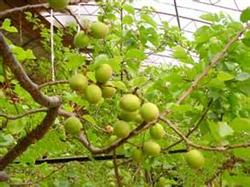
Spring management of greenhouse apricot trees to promote development
For apricot trees in a warm winter greenhouse, the fruit development period runs from mid-February to the end of April. This period is divided into three main development stages. The first stage is the first rapid growth period of the apricot tree and the new shoot growth period, lasting 28-34 days; the second stage is the pit-hardening period, lasting 8-12 days; the third stage is the second rapid growth period of the apricot fruit and the new shoot growth period, lasting...
-
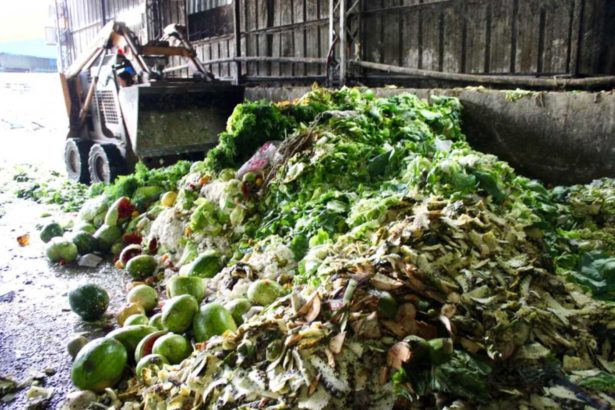
Biochemical method can only test 18% of pesticides, food safety hard to guarantee; civic groups: develop new technology, manage from the source
Biochemical method can only test 18% of pesticides, food safety hard to guarantee; civic groups: develop new technology, manage from the source
-
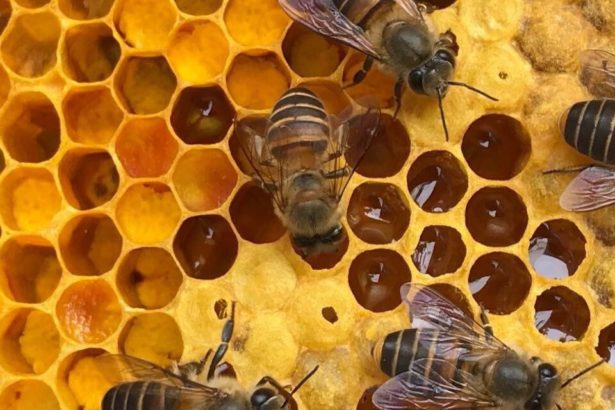
Taiwan's wild bee extinction crisis has a solution! Natural selection breeds disease-tolerant bee species, and antiviral globulin is being developed to boost immunity
Taiwan's wild bee extinction crisis has a solution! Natural selection breeds disease-tolerant bee species, and antiviral globulin is being developed to boost immunity
-

If Clivia is not cared for properly in autumn, it tends to grow unevenly and develop "stuck arrows," becoming uglier the more it grows.
Everyone who grows Clivia knows that growing this flower well is no easy task. If the direction is not set right, the leaves will grow crooked; if the temperature is not controlled well, it will "stick arrows" during the flowering period. Today, Huahua has prepared prevention and solution methods for everyone, so take a quick look!
-
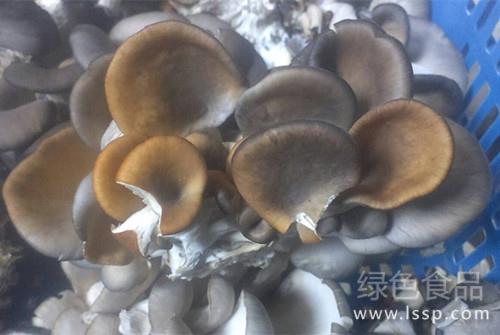
Control methods for yellow blotch disease in oyster mushrooms: what to do when the caps develop yellow spots, become sticky and fragile
Yellow spots on mushroom caps, sticky and fragile fruiting bodies: control methods for yellow blotch disease in oyster mushrooms
-
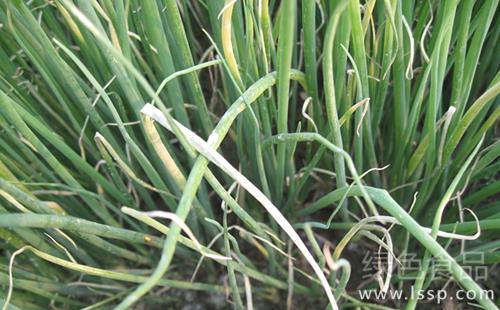
Control methods for autumn Welsh onion late blight causing leaves to wilt, droop, develop yellow spots and rot
Welsh onion leaves drooping and wilting with yellow spots and rot: autumn Welsh onion late blight control methods
-
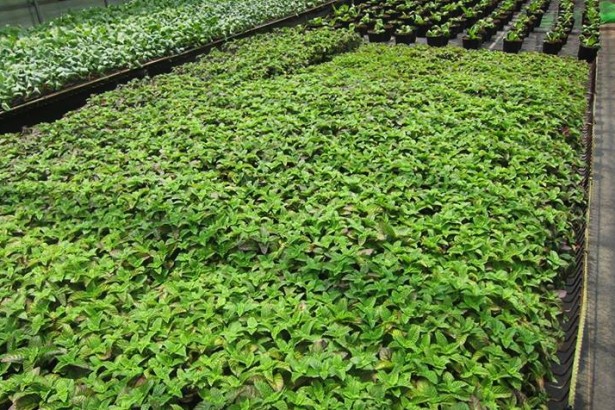
Taoyuan's Mesona chinensis industry production and seedling cultivation are on track, but branding and distribution channels remain to be developed
Taoyuan's Mesona chinensis industry: production and seedling cultivation on track, branding and distribution channels await development
-

What to Do When Rose Leaves Develop Black Spots? Three Methods to Teach You Prevention and Control
Rose black spot disease is a common disease, with the affected parts being mainly the leaves, followed by the petioles, leaf tips, young tender branches and pedicels. This disease causes the leaves to turn yellow and fall early; when the disease is severe in April and May in summer and in late summer in August and September, the leaves can all fall off completely.
条件筛选