-

Detailed Explanation of Key Techniques and Methods for Buckwheat Cultivation
First, timely sowing. Buckwheat has the characteristic that if sown three days early it will not set seed, and if sown three days late it will be killed by frost. Practice has proven that in our county the sowing period for buckwheat is late August to early September. Buckwheat has relatively large cotyledons and fine roots, so the soil clods should be broken up finely, and robust seeds soaked in warm water at 3040 degrees Celsius for 10 minutes should be sown
-
When planting mangoes, density must be well controlled, with timely weeding in the later stages and scientific fertilization.
Abstract Orchard site: requires a relatively thick soil layer, soil that does not easily become compacted and does not waterlog, and proximity to a water source so that irrigation is possible during spring drought. Density: varies according to climate, soil fertility and cultivar; the commonly used spacings are 4 by 4 m, 4 by 5 m, 5 by 6 m and so on, 3 kinds in total. Planting: best done from June to August.
-
Garlic Cultivation and Management Techniques: Mastering Timely Sowing and Rational Fertilization
Summary Soil preparation: Fertile, loose, well-drained sandy soil is best, and continuous cropping should be avoided. Sowing: For garlic grown for bulbs, sowing from early September to early October is appropriate, and no later than mid-October; for garlic grown for green garlic, sowing in mid-to-late August is appropriate. Fertilization:
-
Potato Planting Techniques and Management Methods: Timely Topdressing and Pest and Disease Control
Abstract Cutting and sprouting: sprout in early March, and after cutting, carry out sterilization and disinfection. Land preparation and trenching: generally double-trench planting is used, with trenching using 50 cm for wide rows and 40 cm for narrow rows. Checking seedlings and filling gaps: after the potatoes emerge completely, check the seedlings promptly, and fill gaps promptly where seedlings are missing. Cultivation and hilling:
-
Nori (Pyropia yezoensis) seedling cultivation technology, nori planting technology
Abstract Light: light should be regulated in a timely manner, starting at 3000 lux, and later once conchocelis sporangial branches form, it should begin to be lowered, gradually reduced to about 500 lux. Temperature: after reaching 24°C, for Pyropia yezoensis from carpospore inoculation to seedling cultivation, early inoculation means high seedling density
-
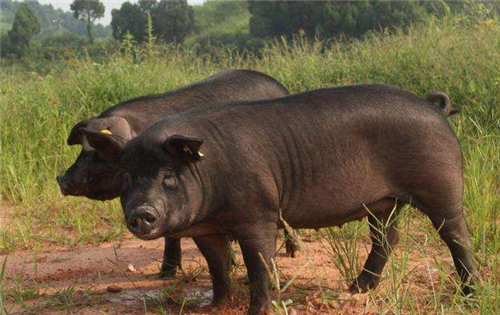
Swine pasteurellosis occurs frequently in autumn and winter when temperatures alternate between cold and warm with large differences, so timely prevention and treatment are needed
Swine pasteurellosis occurs frequently in autumn and winter when temperatures alternate between cold and warm with large differences, so timely prevention and treatment are needed
-
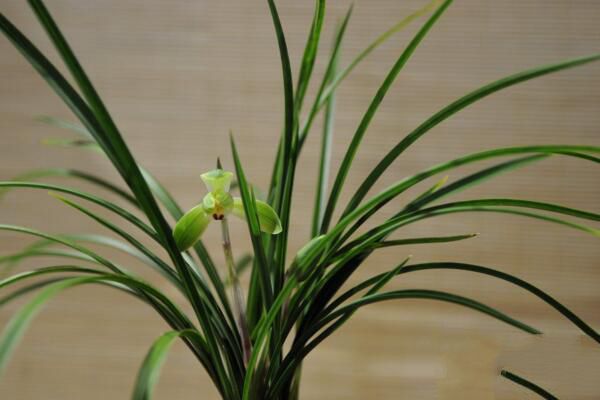
Timely Bud Emergence in Orchids: Bud-Forcing Methods and Precautions
How can orchids be made to bud on schedule? What precautions should be taken when forcing buds?
-
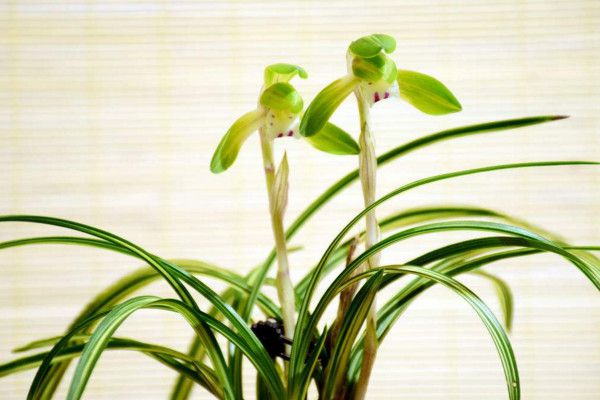
How do you grow orchids so they bloom? Timely repotting and pruning are key
How do you grow orchids so they bloom? Repot and prune in a timely manner
-
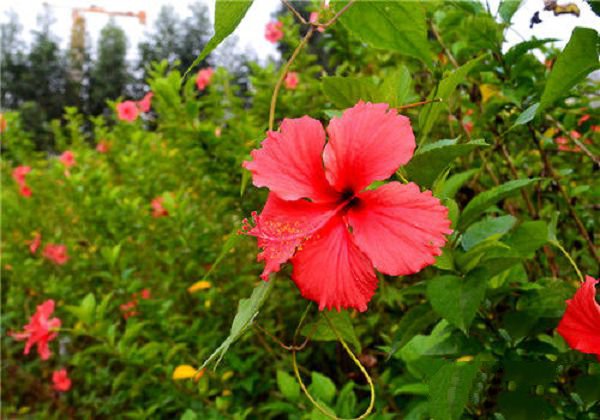
Five timely tasks for flower care during the White Dew season
Five "timely" tasks for flowers during the White Dew season
-
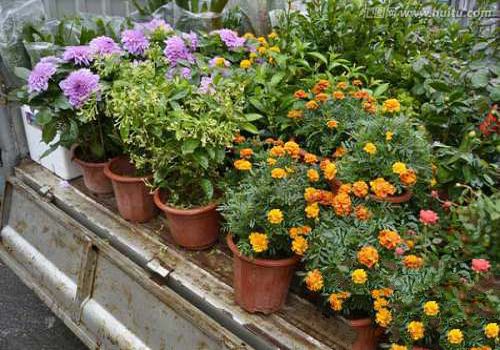
Three timely tasks for autumn care and management of potted flowers
Autumn care and management of potted flowers should accomplish three timely tasks
条件筛选