How do you grow orchids so they bloom? Timely repotting and pruning are key
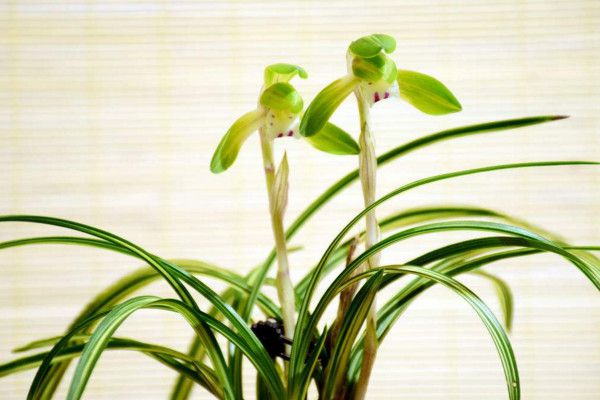
To get orchids to bloom, first repot them once a year to avoid soil compaction, strictly control the amount of watering, and provide shade when the sunlight is strong in summer. It is best to apply a dilute liquid fertilizer once every half month during the growing season, and keep the temperature at 18°C~30°C. After the flowering period, prune off the spent flowers and the stunted, leggy branches and leaves.
How to grow orchids so they bloom successfully
1. Repot in a timely manner
How do you grow orchids so they bloom? Many flower lovers probably have this question during the growing process. In many cases, they basically stop blooming the second year after the flowering period, mainly because we did not repot them in time. Orchids need to be repotted once a year, the purpose being to ensure sufficient nutrients in the soil while avoiding soil compaction.
2. Control watering
Orchids need sufficient water during their growth process. If you want them to bloom successfully, you must strictly control the amount of watering, keeping the potting soil moist while avoiding waterlogging. In addition, you can often use a spray bottle to mist the leaves, cleaning off some of the dust they have picked up and making the leaves more emerald green and appealing.
3. Sufficient light
Providing orchids with appropriate light is one of the important guarantees for their blooming. Especially during the plant's flowering period, they must be allowed to carry out normal photosynthesis and accumulate nutrients, so they can generally be placed outdoors to receive full sun. In summer, when the sunlight is intense, it is enough to provide some shade measures.
4. Reasonable fertilizing
It is recommended to apply a dilute liquid fertilizer once every half month during the plant's growing season to ensure vigorous growth. During the flowering period, the demand for nutrients is high, so phosphorus, potassium and other elements should be supplemented appropriately to promote bud formation and make the flowers bloom more vividly. Generally, applying fertilizer 1~2 times before flowering can meet their blooming requirements.
5. Control temperature
From previous growing experience, 18°C~30°C is the optimal growing temperature for orchids, and too high or too low is not conducive to their development. In summer, the maximum temperature must not exceed 35°C; in winter, the temperature should be kept above 8°C. If it is too low, they can be moved indoors to overwinter. Adjust the temperature appropriately to avoid frost damage.
6. Proper pruning
If you want to keep orchids blooming year after year, you must do a good job of pruning. After the orchid's flowering period, prune off the spent flowers and the stunted, leggy branches and leaves to avoid nutrient loss. At the same time, this promotes the sprouting of new flower branches and plays a key role in the plant's growth and development as well as its shape.