Timely Bud Emergence in Orchids: Bud-Forcing Methods and Precautions
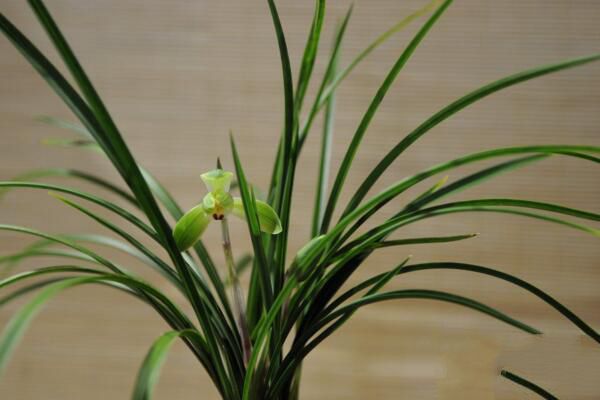
Generally speaking, during potted cultivation, as long as care and management are proper, a potted orchid with 3-5 strong seedlings has a chance of producing buds and blooming. However, some orchid plants grow vigorously yet show no buds. So today, the editor will discuss bud-forcing techniques for potted orchids, hoping to be of some help to everyone.
I. Grow the orchids strong
There are two situations in which orchid plants tend to bloom. The first is when the orchid plant has abundant roots and lush leaves and is robust, it tends to bloom. The second is that under harsh growing conditions, a weak, spindly orchid plant will bloom and set seed out of the instinct to reproduce. Therefore, if you want an orchid plant to bloom and set seed, you must improve your own cultivation skills, strengthen daily cultivation management, and do a good job with water and fertilizer management.
II. Let the orchids receive sufficient sunlight
Sufficient light helps orchid plants develop flower buds. Therefore, apart from summer and early autumn, when the light is relatively intense and shading is needed, the orchids should receive full sunlight in the other seasons, which is beneficial for orchid flower bud differentiation.
III. The day-night temperature difference should be large
The day-night temperature difference is of great benefit to orchids budding on schedule. When the day-night temperature difference is around 10 degrees, it is favorable for orchid plants to bud and bloom. Therefore, you can artificially create temperature difference conditions by opening the windows at night for ventilation, letting the indoor temperature approach the outdoor temperature. In this way, the day-night temperature difference is increased, laying the foundation for the orchids' later growth.
IV. In autumn, the growing medium should be appropriately deprived of water
After August, most of the orchid's new seedlings have already matured. Therefore, in order to make the orchids bud, the autumn growing medium should be kept in a moist-but-dry state, with water withheld appropriately 1-2 times, which can promote the orchids' transition to the reproductive growth stage.
V. Cleverly use phosphorus fertilizer to promote budding
If the plant lacks phosphorus fertilizer during growth, it will be very difficult for it to produce flowers. Phosphorus fertilizer has the function of promoting plant sturdiness and flower bud differentiation, so in autumn, phosphorus fertilizer can be appropriately increased to promote flower bud differentiation. The safest and most reliable method is to use monopotassium phosphate for foliar feeding, applying it to the leaves once every 7 days.