-
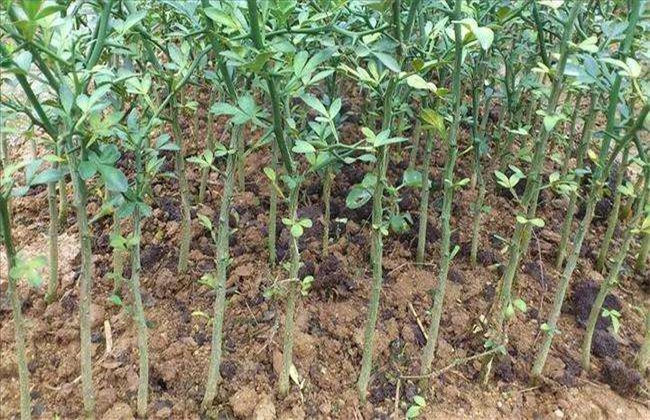
How Many Years Until Citrus aurantium Bears Fruit? A Detailed Explanation of the Fruiting Timeline
How Many Years Until Citrus aurantium Bears Fruit
-
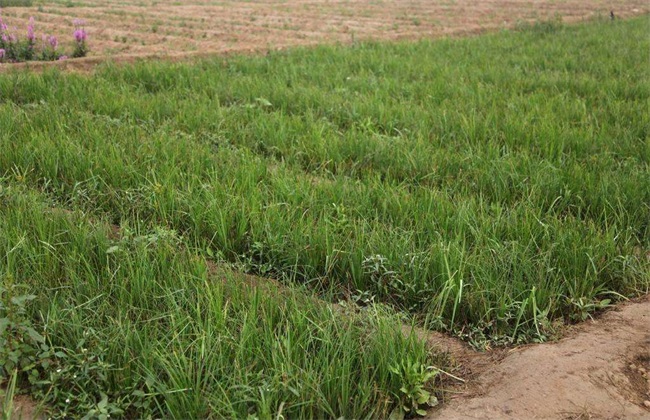
When to Harvest Anemarrhena asphodeloides? Analysis of the Best Harvest Time
When to Harvest Anemarrhena asphodeloides
-
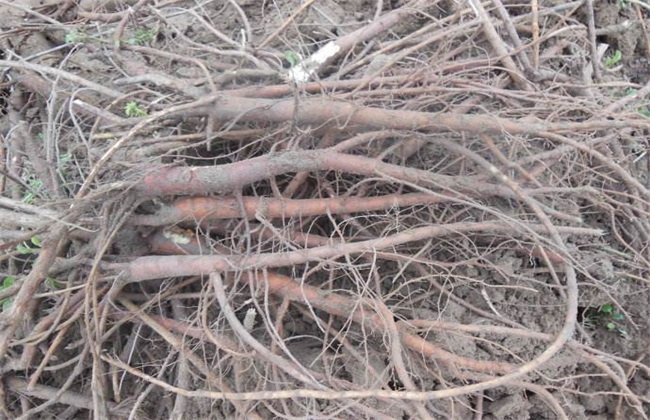
When to harvest licorice? Detailed explanation of harvest time and methods
Licorice harvest time and methods
-

When is the best time to fertilize Bletilla striata? Detailed explanation of fertilizing times and methods
Fertilizing times and methods for Bletilla striata
-

How to Plant and Manage Polygonatum: Detailed Explanation of Sowing Time and Precautions
What Issues Need Attention in Polygonatum Cultivation
-
Panax notoginseng seedling lifting time and seedling grading methods
The harvesting time for Panax notoginseng seedlings is generally from early December to late January of the following year. When harvesting, care should be taken to avoid damaging the root system and seed buds, and seedlings should be planted immediately after harvesting. Grade 1 seedlings: individual plant weight not less than 2.5 grams, dormant buds plump and strong, root system well developed, free from pest and disease infection and mechanical damage. Grade 2 seedlings: individual plant weight between 1.25 and 2.5 grams, dormant buds plump and strong, root system well developed, free from pest and disease infection and mechanical damage. Grade 3 seedlings: individual plant weight between 0.75 and 1.25 grams, dormant buds of average growth, root system of average growth, free from
-
Why Schisandra chinensis seedlings should be soaked in water before planting and the suitable soaking time
Schisandra chinensis seedlings naturally have indistinct main and lateral roots and many fine fibrous roots. After the seedlings leave the nursery, they go through several stages such as transport, storage and transplanting, and water loss occurs in both the root and crown areas. Using such seedlings results in a low survival rate, so before planting they should be soaked in water for 24 hours.
-
When should honeysuckle be newly planted? Autumn and winter are the right time
Honeysuckle can be planted in two seasons, spring, winter or late autumn, that is, between November and late March of the following year, but late autumn or early winter planting is best. To newly plant honeysuckle, the first step is to choose good land. Honeysuckle is not strict about soil and moisture conditions, and can resist drought, waterlogging and poor soil, but as a highly efficient medicinal plant, and with flower high yield as the management goal, it must be managed intensively. Research shows that honeysuckle likes sunlight and cannot tolerate shade, so sunny sandy loam with relatively deep soil layers, fertile and loose soil, good aeration and drainage, and a slope of 15
-
It is the right time for honeysuckle pest and disease control, and Xiushan County, Chongqing Municipality is strictly implementing it
Honeysuckle, formerly known as Japanese honeysuckle, also called silver flower, honeysuckle flower, or double flower, is a twining vine of the Caprifoliaceae family. The county has developed a honeysuckle base of 60,000 mu. Because the base farmers manage extensively and supporting technologies have not kept up, especially pest and disease control management, the yield of honeysuckle is low and the quality is poor. According to a survey by the county plant protection station, honeysuckle pests and diseases occur relatively commonly in our county, among which honeysuckle powdery mildew, brown spot disease, aphids and red spiders are relatively serious in occurrence and damage. At present, it is the best period for controlling honeysuckle powdery mildew, brown spot disease, aphids and red spiders and other pests and diseases
-
How to calculate material quantities, seed purchase quantities and investment for first-time Gastrodia elata planting
1. Sexual reproduction: to plant 60 sq m, you need broadleaf tree branches (fresh) 3000-4000 jin (400 yuan), broadleaf tree leaves 100 jin (20 yuan), Armillaria mellea spawn 100 bottles (300 yuan), germination fungus 100 bottles (800 yuan), Jianma tubers 10 jin (180 yuan), total investment 1700 yuan. 2. Asexual reproduction: to plant 60 sq m, you need broadleaf tree branches (fresh) 3000-4000 jin (400 yuan), broadleaf tree leaves 100 jin (20 yuan), Armillaria mellea spawn 100 bottles (30
条件筛选