-
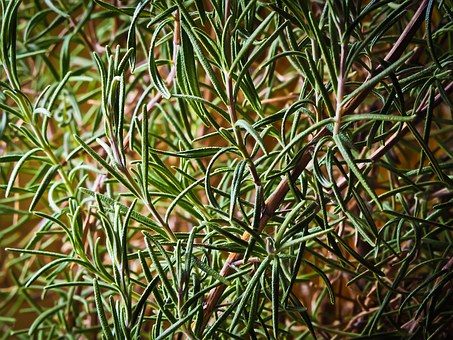
Differences Between Rosemary and Thyme and How to Care for Rosemary
Rosemary is also known as "dew of the sea." It is an evergreen shrub with an upright habit and grayish-green, narrow, slender, pointed leaves that give off a pine scent. Since ancient times it has been regarded as an herb that can enhance memory. In spring and summer it produces small pale blue flowers. Rosemary is native to the Mediterranean coast and is an evergreen shrub that blooms with small blue flowers in summer.
-
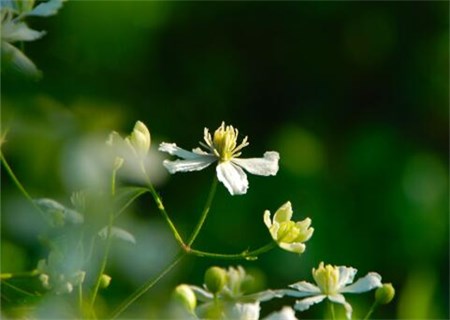
Cultivation methods and infusion benefits of Edgeworthia chrysantha of the Thymelaeaceae family, and is it toxic?
Edgeworthia chrysantha is the flower bud of the plant Edgeworthia chrysantha of the Thymelaeaceae family, a deciduous shrub. Origin: produced south of the Yangtze River basin and in Henan, Shaanxi and other places. Harvested part: flower buds. In late winter and early spring when the flowers open, the inflorescences are picked and sun-dried. So do you know what cultivation methods there are for Edgeworthia chrysantha? What benefits and effects does infusing it in water have? Is it toxic?
-
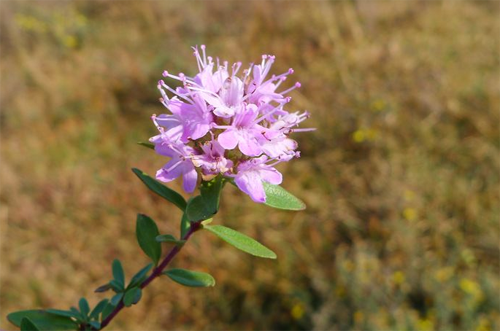
Thyme: Cultivation and Growing Methods, Benefits and Uses
Thyme is a plant, and it's fragrant too. Having one at home would be really nice. Let's take a look at how thyme is cultivated and grown, and what benefits and uses thyme has. Thyme cultivation and growing methods: choosing potting soil. It likes a sunny environment and fears waterlogging the most.
-

What Plant Is Thyme? A Detailed Guide to Growing and Care
Thyme scientific name: thymus vulgaris. Common names: garden thyme, creeping thyme, wild thyme, mountain pepper, mountain pepperwort. Family and genus: Lamiaceae, Thymus. Morphological characteristics: the plant grows about 20 cm tall, and the whole plant is aromatic with a mild pungent flavor. The lower part of the stem is prostrate and clump-forming, while the upper part is upright and four-angled.
-

How to grow thyme? A complete guide to cultivation methods and precautions
Plants of the genus Thymus are also known in China as dijiao, dihuajiao, shanjiao, shanhujiao, shexiangcao and so on. Thyme is a subshrub whose stems and leaves are fragrant. It is often planted in flower borders, flower beds, rock gardens and herb gardens, or used as ground cover in sunny spots. It is very suitable as a culinary seasoning and has high medicinal value.
-
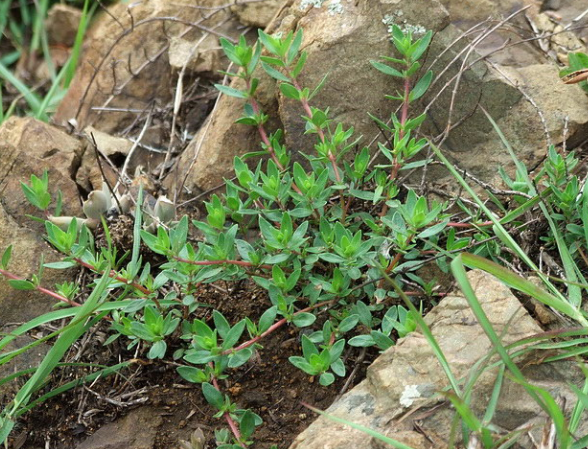
A detailed guide to thyme propagation methods, easy for beginners to master at a glance
Sowing Sowing is generally carried out in March-April. Thyme seeds are tiny, so the seedling bed must be well prepared; the soil should be fine and level. After watering, scatter the seeds, then cover the surface with a layer of fine soil, and then build a small arched frame covered with plastic film to keep warmth and moisture. Seedlings generally emerge after 10-12 days
-

条件筛选