-
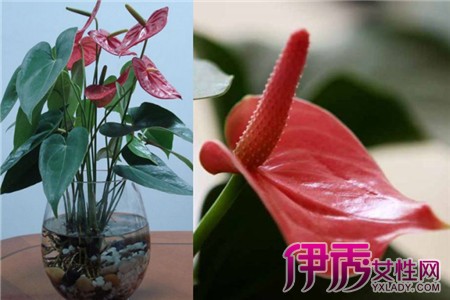
Anthurium care: get these three things right and grow healthy flowers
Anthurium is a very attractive foliage and flowering plant. Its stems are fairly short, so it is not used as a cut flower; instead, it suits small to medium-sized potted plants placed in the living room or office. In spring, during the flowering period, some of the anthurium's leaves turn bright red, standing out from the other green leaves.
-
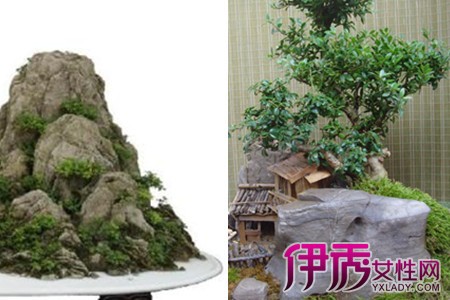
Three little tricks for bonsai making that make the results twice as good with half the effort
All kinds of bonsai can be seen in many offices or homes. They are not only a pleasing decorative item, but also a rare work of art. The method of making bonsai is actually not difficult; as long as you master the tricks, you can get twice the result with half the effort.
-
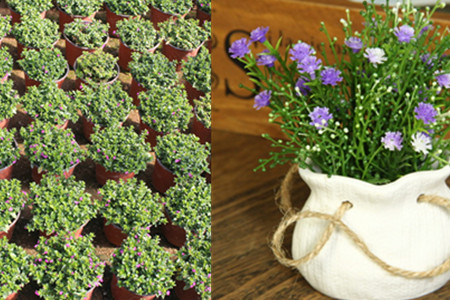
How to care for a purple baby's breath potted plant? Three key points to keep the plant healthier
Baby's breath, originally named Gypsophila paniculata, also known as Gypsophila, is a perennial herb in the carnation family (Caryophyllaceae) and the genus Gypsophila. Baby's breath comes in many colors, among which the more common one is purple
-
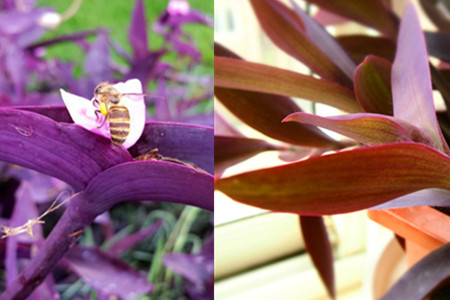
How do you propagate purple spiderwort (purple inch plant) by cuttings? Three steps to grow vibrant plants
Purple spiderwort, also known as variegated spiderwort, is a plant in the Liliaceae family. Purple spiderwort is a perennial herbaceous plant, suitable as a hanging potted foliage flower, ideal for hanging basket display, and it helps keep indoor air fresh. In recent years it has also been used for flowerbed borders.
-
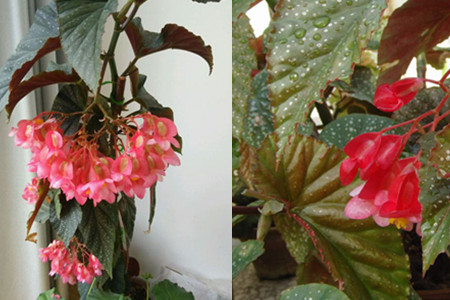
How to Propagate Cane Begonia from Cuttings: Three Steps to Grow New Plants
Cane begonia (Begonia maculata) is a perennial herbaceous plant in the family Begoniaceae and genus Begonia, growing upright or as a loosely branching subshrub. It blooms in summer and autumn, and its foliage is soft and lovely. Potted begonias are often used to accent living rooms, shop windows, or to decorate home windowsills, balconies, coffee tables and other spots.
-
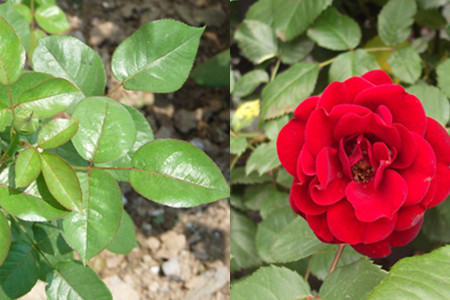
Three symptoms of root rot in roses (Chinese rose) caused by overwatering that must be dealt with promptly
Roses (Chinese rose), also known as yueyuehong or yuejihua, are evergreen or semi-evergreen low shrubs of the Rosaceae family. They bloom in all four seasons, generally red, or pink, occasionally white and yellow. They can be grown as ornamental plants and also used as medicinal plants.
-
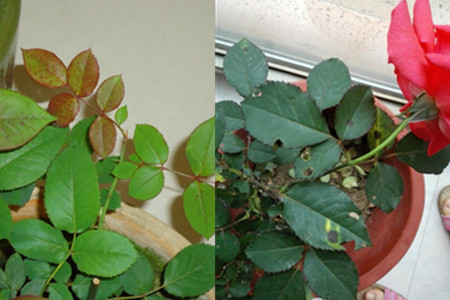
What to Do When Rose Leaves Develop Black Spots? Three Methods to Teach You Prevention and Control
Rose black spot disease is a common disease, with the affected parts being mainly the leaves, followed by the petioles, leaf tips, young tender branches and pedicels. This disease causes the leaves to turn yellow and fall early; when the disease is severe in April and May in summer and in late summer in August and September, the leaves can all fall off completely.
-
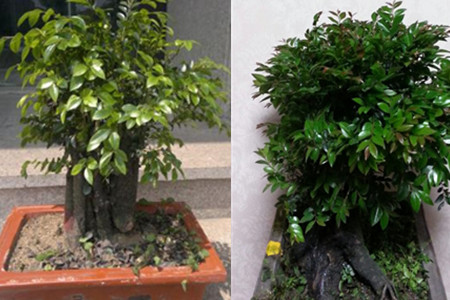
How can you tell real red sandalwood (Pterocarpus santalinus) bonsai from fakes? Three aspects to help you tell them apart easily
Do you like bonsai? Placing a pot of green, rustic bonsai indoors instantly elevates the atmosphere with elegance. And if that bonsai is also precious red sandalwood, wouldn't that be even more impressive? But do you know whether you can really buy red sandalwood?
-
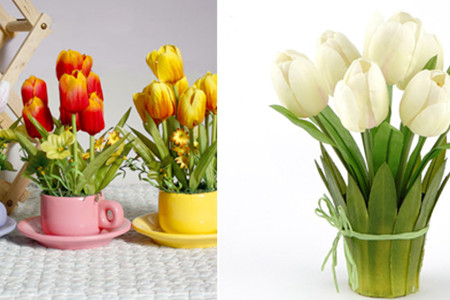
How to plant tulip seeds? Teach you three steps to grow healthy plants
Tulips are herbaceous plants of the genus Tulipa in the lily family (Liliaceae), native to Central Asia and the Mediterranean coast. There are many varieties of tulips with brightly colored flowers, making them very popular ornamental plants, yet few people know how they are grown.
-

How do you plant tulip seeds? Three steps to grow sturdy, flowering plants
How do you plant tulip seeds? Sharing a three-step planting method of selecting bulbs, inserting them into soil, and forcing sprouts in the dark, plus key points on tulip flowering temperature, watering and fertilizing, bulb division propagation, and pest and disease control, to help you easily grow sturdy, flowering tulips.
条件筛选