-
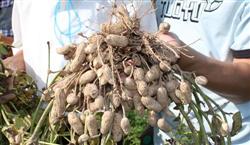
Doing these things well in late-stage peanut management gives you a better guarantee of a high yield
How can peanuts be managed in the late stage to achieve a high yield? Is there a good method that can make it happen? We also ask experienced netizens to help explain. The late growth stage of the peanut plant runs from the appearance of full pods to the maturation and harvest of most pods. During this period, the peanut's vegetative growth gradually declines and stops, the pods gradually fill out and become plump, and the increased pod weight generally accounts for...
-
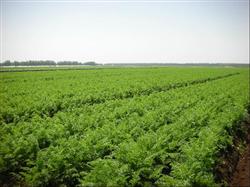
Things to Note When Planting Carrots in Summer
What should be noted when planting carrots in summer? Here is an introduction. For summer carrot planting, you can refer to the following methods: 1. Fine soil preparation. Carrots are fleshy-root vegetables and prefer deep, loose soil. The soil should be deeply tilled, to a depth of no less than 30 cm. Fine cultivation is required, so that the soil is fine and crumbly, the ground is level,...
-
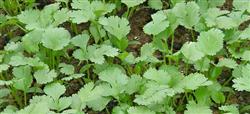
Cilantro Summer Planting Tips: Do These Things Well and It Will Grow Well
How can you grow cilantro well in summer? Please give guidance. To grow cilantro well in summer, you can refer to the following methods: 1. Variety selection: Choose varieties that are heat-tolerant, slow to bolt, and fast-growing, such as Beijing cilantro, North China Large Leaf, etc. 2. Land preparation and fertilization: Choose a plot with relatively fertile soil, good water and fertilizer retention, one that can be irrigated in drought and drained in waterlogging, with good permeability, and where cilantro has not been grown for more than 5 years; never practice continuous cropping. Apply 4000 kg of decomposed farmyard manure and 100 kg of cake fertilizer per 667 sq m (1 mu). The residues of the previous crop must be cleared away to reduce the occurrence of pests and diseases. Plow deeply and harrow finely, and make beds; the beds should preferably be 1-1.5 m wide and 8-10 m long.
-
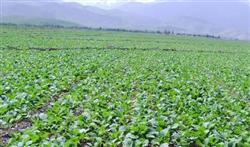
There are taboos in rapeseed cultivation; pay attention to these few things
Traditional rapeseed cultivation first requires raising seedlings in a seedbed, then plowing the main field, making beds, transplanting, and so on. The many steps, high labor demand, heavy labor intensity, and high cost restrict the expansion of rapeseed planting area and the improvement of economic returns. In recent years, other places and local areas are demonstrating and gradually promoting a new rapeseed cultivation technique...
-
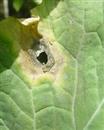
What three things should be noted in spring management of dryland rapeseed?
Sclerotinia rot of rapeseed is a major disease harming rapeseed, and its control must be taken seriously to reduce the damage and minimize losses. Symptoms: when the disease occurs, the lesions on rapeseed leaves are round or irregular, grayish brown or yellow-brown in the center, dark bluish in the middle, with a yellow halo on the outer edge. When dry, the lesions rupture and perforate; under humid conditions...
-
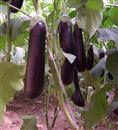
Three things to avoid when growing eggplant
Avoid too many cropping cycles. Many vegetable growers believe that the more cropping cycles, the more eggplant they harvest and the higher the profit is bound to be. But in the end, too many cropping cycles actually lowers the profit. This is because eggplant has a certain growth pattern, and only by following that pattern can you achieve high profits. Solution: use a single overwintering crop, planting once a...
-
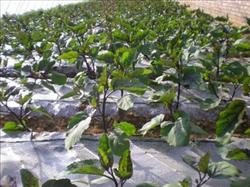
Three things to avoid when growing eggplants - keep these key points in mind
Avoid too many cropping cycles. Many vegetable growers believe that the more cropping cycles, the more eggplants harvested and the higher the returns. But in fact, too many cropping cycles actually lower the returns. This is because eggplants have a certain growth pattern, and only by following this pattern can you achieve high returns. Solution: Adopt overwintering single main crop cultivation, planting one...
-
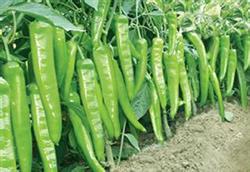
How to Keep Spring Crop Peppers Straight and Not Bent? Doing These Four Things Well Is Key
"Bent peppers have a big impact on price. So how to keep peppers from producing bent fruit has become an important part of increasing vegetable growers' returns. Through managing peppers over the past few years, I believe that as long as you grasp four points, peppers generally will not produce bent fruit." Master Gong told the reporter. So what are the four points Master Gong mentioned? The first...
-
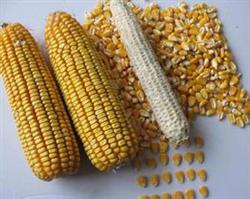
Things to note when choosing seeds for spring-planted corn, these aspects cannot be ignored
How to choose good corn seed is a key issue that affects whether yields can be increased in autumn. When choosing good corn seed, farmer friends should follow these principles: 1. Choose seed according to heat resource conditions. The local heat resources are related to the growth period of the corn variety. Corn varieties with a long growth period have good yield performance and...
-
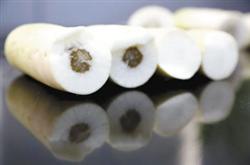
There are three things to beware of when growing radishes; pay attention to these points
The skin of the radish root develops horizontal thread-like black lines and becomes rough; in severe cases, the internal tissue discolors and spoils. The main causes are boron deficiency, excess chloride ions; a high groundwater table and poor drainage; and the application of inadequately decomposed fertilizer. Therefore, planting in low-lying land should be avoided; chlorine-containing compounds should not be applied or should be applied sparingly, and boron fertilizer should be applied in greater amounts....
条件筛选