-

Things to note when raising piglets in spring and summer, farmers should grasp them in advance
First, pay attention to temperature changes. In spring and summer, temperatures vary greatly, there is a lot of rain, and humidity is relatively high. Pigs prefer a dry environment, have little fat tissue, and piglets are prone to feeling cold. Therefore, the temperature inside the shed and the dry environment of the pen should be maintained. Second, pay attention to increasing protein feed. Especially for piglets that have undergone long-distance transport, due to stimulation such as wind-cold and the bumping of vehicles and boats, some piglets develop dysentery and diarrhea, reduced appetite, and weight loss. In addition to doing a good job of keeping the pen dry and warm, nutrition should also be supplemented in a timely manner.
-
Four things to note when harvesting rice, don't overlook these details
The following four points should be noted before and after rice harvest. 1. Drain early. Drain the water in the paddy field as much as possible; if necessary, dig ditches to drain the water in low-lying areas early and dry the field. 2. Harvest at proper maturity. For manual harvesting, do it when more than 95% of the rice husks in the field have turned yellow, the grains have hardened, and the rice grains are translucent. Mechanical harvesting can be a few days later. 3. Mind the method. Manual cutting and drying can increase the 1000-grain weight and raise yield, while the rice grain has good market quality and a high germination rate. When using a combine harvester, it is best
-
Three things to note when cultivating oyster mushrooms in winter
Mushroom yard selection The ideal site suitable for winter cultivation is a mushroom yard with warming and insulation conditions, such as an indoor mushroom house equipped with warming conditions, a warmer underground mushroom yard, and a raised-bed mushroom yard using plastic greenhouse cultivation, etc. The temperature of this type of mushroom yard can be controlled above normal temperature, which is beneficial to mycelial growth and can also promote earlier fruiting. Usually, for early winter cultivation, an outdoor mushroom yard can be chosen; for late winter cultivation, an indoor mushroom house should be chosen. Strain selection Winter-cultivated oyster mushrooms can be divided into two types according to the fruiting period arrangement: winter cultivation with winter fruiting and winter cultivation with spring fruiting. For the former, low-temperature type varieties
-
Things to note when potting and repotting azaleas
Azaleas should be potted once the cuttings have taken root. For pots, clay pots with good permeability are best, purple sand pots come second, and glazed pots and porcelain pots are the worst. When potting, pay attention to choosing the size of the pot, and never use a large pot for a small seedling. If the pot is too large, the potting soil stays wet for a long time, aeration will be poor, and at the same time the roots can easily fail to reach the pot wall, affecting the development of the seedlings. Generally, for rooted cuttings you can choose a clay pot with a diameter of about 10 cm, and after one year repot into a flower pot of about 15 cm. When potting, pay attention to making a good drainage layer: first cover the drainage hole with a piece of tile, then put
-
4 Things to Note When Introducing Pet Rabbits
As the pet rabbit market grows increasingly prosperous, more and more people are introducing pet rabbits, but all kinds of problems have followed. Some people spend a lot of money to buy so-called pet rabbit breeding stock, only to find that when the breeding season arrives, the rabbits do not come into heat. After inquiring carefully, they learn that the rabbits have been sterilized and simply cannot reproduce, so half a year has been wasted for nothing. Some buy rabbits home but the rabbits cannot survive at all, because no breeding techniques were provided, and they just feed them like ordinary rabbits. The result is that the sudden change in living conditions, combined with the abrupt switch in feed, causes the young rabbits to fall ill and die one after another.
-
How to grow saffron crocus? Cultivation methods and things to note, sunlight must be sufficient
Saffron crocus is a fairly common plant in people's lives, first introduced to China during the Ming Dynasty. How to grow saffron crocus is related to sunlight, watering, fertilizing and other aspects. As for the specific cultivation methods and things to note for saffron crocus, let me walk you through them below.
-
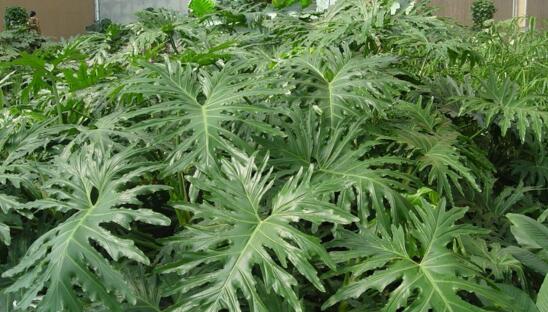
How to grow Philodendron bipinnatifidum? Care methods and things to note, avoid direct strong sunlight
As a foliage plant, Philodendron bipinnatifidum has long been deeply loved by people. It can be placed in living rooms, gardens and many other places, and can be said to be a very easy plant to grow, but if you want to grow it well, you still need some techniques
-
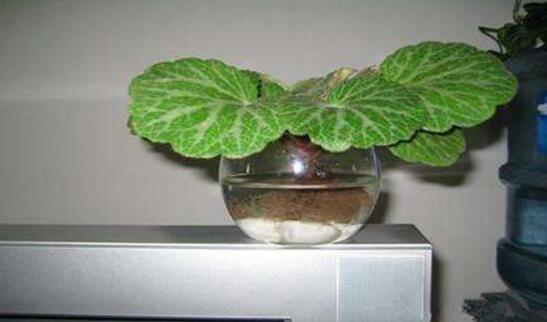
Can Saxifraga stolonifera be grown hydroponically? Hydroponic methods and things to note such as changing the water frequently
Saxifraga stolonifera can adapt to many kinds of environments, so it is considered one of the easiest plants to grow. Besides growing it in pots, some people want to grow it hydroponically, so can Saxifraga stolonifera be grown hydroponically? The answer is yes, but before that you should understand the hydroponic methods and things to note for Saxifraga stolonifera
-
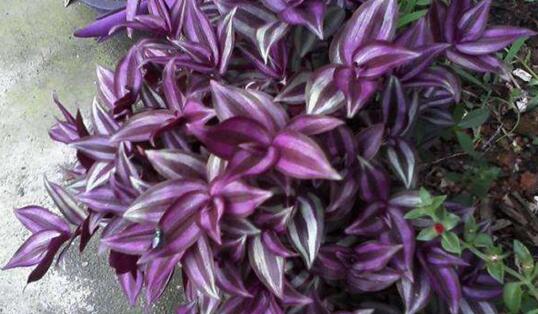
Tradescantia zebrina care guide and things to note: humidity is key
Tradescantia zebrina is well known for its distinctive leaves. It is precisely because of its extremely high ornamental value among the benefits and uses of Tradescantia zebrina that people often grow it in pots and hang them on walls. So how do you grow Tradescantia zebrina to make it look even better? Today we will take a detailed look at the care guide and things to note for Tradescantia zebrina.
-
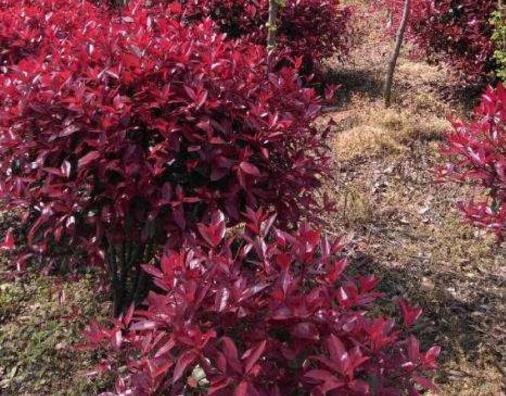
How to grow Photinia × fraseri and things to note: fertilize regularly
Photinia × fraseri has changeable leaf colors and dense, pure, bright white flowers. It is precisely because Photinia × fraseri has so many benefits and uses that more and more people grow it. However, to grow it well, a scientific approach is still needed. So how do you grow Photinia × fraseri? Let's take a look at the growing methods and things to note for Photinia × fraseri.
条件筛选