-
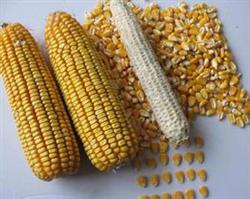
Things to note when choosing seeds for spring-planted corn, these aspects cannot be ignored
How to choose good corn seed is a key issue that affects whether yields can be increased in autumn. When choosing good corn seed, farmer friends should follow these principles: 1. Choose seed according to heat resource conditions. The local heat resources are related to the growth period of the corn variety. Corn varieties with a long growth period have good yield performance and...
-

How do you care for a money tree? Things to note for indoor potted cultivation
The money tree is a perennial evergreen shrub, native to the Malay Peninsula and the South Seas Islands area. In recent years, through cultivation and selective breeding, it has widely entered urban and rural households in our country. For home cultivation, you should follow its living habits of preferring high temperature and high humidity and being intolerant of frost and dryness
-
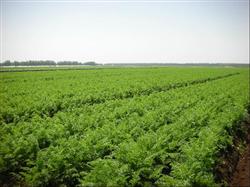
Things to Note When Planting Carrots in Summer
What should be noted when planting carrots in summer? Here is an introduction. For summer carrot planting, you can refer to the following methods: 1. Fine soil preparation. Carrots are fleshy-root vegetables and prefer deep, loose soil. The soil should be deeply tilled, to a depth of no less than 30 cm. Fine cultivation is required, so that the soil is fine and crumbly, the ground is level,...
-

Are chameleons easy to keep? Things to note for beginners keeping chameleons
Are chameleons easy to keep?
-
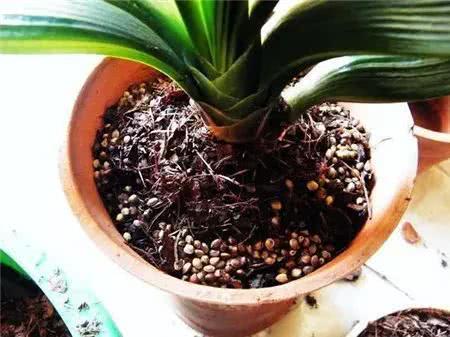
Things to note when repotting clivia in autumn: it will grow lush and green
Clivia is a flower that many people especially love to grow; it is noble and elegant. It is autumn now, do you know how to repot clivia? When repotting clivia, first take it out of the pot, remove the soil from the roots...
-
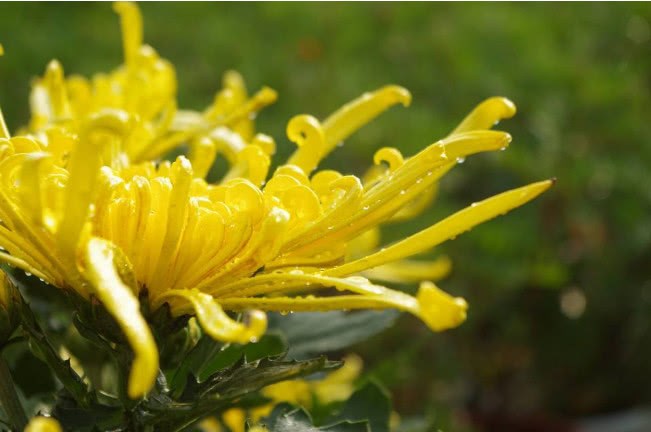
7 things to note when caring for flowers at home in autumn, so plants grow more vigorously and get through winter well
Time flies, and in the blink of an eye it is already September. The weather is gradually turning cool, and the potted flowers that survived the summer are gradually ushering in their most comfortable time, and flower lovers can breathe a sigh of relief. Although autumn is nice, there are still many things to note when it comes to flower and plant care...
-
How to grow Tradescantia zebrina (inch plant)? Growing methods and things to note
Tradescantia zebrina is also known as inch plant, striped inch plant, silver inch plant and wandering dude, and is an evergreen herbaceous plant in the genus Tradescantia of the family Commelinaceae. It spreads very quickly when planted in South China, and can be seen everywhere around gardens, school campuses, institutional green spaces and residential buildings; some have spread and grown into a wild or semi-wild state. It is commonly grown for ornamental purposes
-
How to grow Phlox drummondii? A complete guide to cultivation methods and things to note
Phlox drummondii, also known as dwarf phlox, annual phlox, and Drummond's phlox, is an annual herbaceous plant in the genus Phlox of the family Polemoniaceae. It is cultivated in gardens across China. The plant is short and compact with rich flower colors, and can be used as planting material for flower beds, flower borders, and rock gardens, as well as potted plants for indoor decoration. Taller varieties can be used as cut flowers
-
What are the things to note when growing gardenias at home?
Things to note when growing gardenias at home. Gardenia: The gardenia is an evergreen shrub or small tree, and there are four commonly seen types: (1) Large-flowered gardenia, also known as river-flower gardenia. The leaves are large and long-elliptical, the flowers are large and mostly double, with a strong fragrance. (2) Small-leaved gardenia, also known as sparrow-tongue flower. The plant is short and small, the flowers are relatively small, double, with a very strong fragrance.
-
What are the things to note when growing a peace lily at home?
Things to note when growing a peace lily at home. Peace lily: The peace lily is a perennial herbaceous flowering plant, divided into two types, large-leaved and small-leaved. It likes warm, humid conditions and is a semi-shade plant; it requires good ventilation and appropriate shading in summer.
条件筛选