-

-
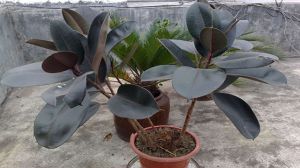
How do you repot a rubber plant? Master the correct repotting methods and steps
The best time to repot is in mid-to-late March, when its new buds have not yet emerged. The specific procedure is to first take the plant out of its original pot, then place a layer of soil at the bottom of the new pot, put the plant in, and add new soil around it. After that, water it and place it in a shady spot. In about four or five days, new leaves will grow, which means the roots have successfully adjusted, and you can begin normal care.
-
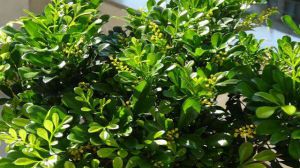
What soil is best for growing Aglaia odorata? I'll teach you the correct soil mixing method
Aglaia odorata does not have high soil requirements; slightly acidic soil rich in leaf mold is best. In northern regions you need to mix it yourself. You can mix humus soil, sand and garden soil together, or mix peat and sand. Besides that, you can also mix garden soil, compost soil and sand.
-
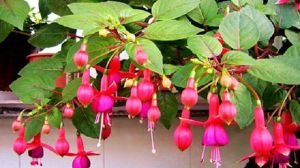
How to repot a fuchsia? Mastering the correct method is key
The best time to repot is in spring or autumn before the buds sprout. The choice of substrate should follow basic requirements such as fertility and looseness. You can use leaf mold mixed with sandy loam, and you can mix in some organic fertilizer and phosphorus fertilizer. Right after repotting, the plant needs a period of recovery. Begin normal fertilizing, and place it in a spot with plenty of light.
-
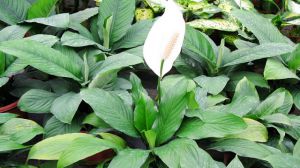
Is it better to grow peace lilies hydroponically or in soil? A comparison of the two care methods
Whether to choose soil culture or hydroponics for peace lilies mainly depends on our purpose in growing them. If the purpose is to beautify the indoor environment and see how good its ornamental value is, then by comparison hydroponics is better. If the purpose is to cultivate healthy plants with good growth, then soil culture is better, because the nutrients contained in soil are more comprehensive.
-
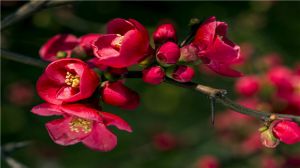
What are the cultivation methods and precautions for crabapple?
Soil: To grow crabapple, use loose, nutrient-rich, slightly alkaline soil. Light: It needs plenty of light; no shading is needed except in midsummer. Water: Water according to the "dry-wet" principle - do not water when the soil is not dry, and water thoroughly when you do. Fertilizing: Apply some organic fertilizer in early spring; apply organic fertilizer as a top dressing in autumn, and apply phosphorus and potassium fertilizer as a top dressing after the flowers fade; stop fertilizing in winter.
-

How to Grow a Queen of the Night Cactus? Detailed Growing Methods and Precautions
Soil: To grow chrysanthemums, use soil with good drainage, rich in humus, loose and fertile. Water: Water more in summer; in spring and autumn keep the potting soil from getting too dry; control watering in winter. Light: Normally place it in a semi-shaded spot; in summer move it to a place where sunlight cannot shine directly. Temperature: Normally keep it within 15-25°C; in winter keep it above 5°C.
-
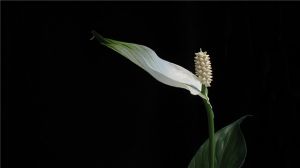
What are the cultivation methods and precautions for the peace lily?
Soil: The peace lily grows best in soil rich in humus, with strong drainage capacity and high permeability. Light: It does not need much light; scattered light is sufficient. Water: Keep the potting soil moist at ordinary times, and keep it slightly moist in winter. Temperature: It is best kept within 20-21°C; it should not exceed 24°C, nor fall below 14°C.
-
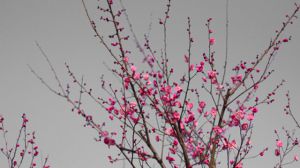
What are the cultivation methods and precautions for plum blossoms?
Soil: To grow plum blossoms, you can mix leaf mold, compost soil, and sand in a 2:2:1 ratio. Water: water when the soil is dry and withhold when it is not; when the soil dries out, water thoroughly. Light: it needs plenty of light in normal conditions. Temperature: ideally within 18-21°C.
-

What are the cultivation methods and precautions for daisies?
Watering: During the germination period, water the daisies more; after the seedlings emerge, reduce watering. Fertilizing: During the growing period, apply fertilizer once a week, and dilute the fertilizer before applying it. Light: Ensure sufficient light during the growing and flowering periods. Temperature: Normally 18-22°C, below 25°C in summer, above 5°C in winter, and 10-25°C during the flowering period.
条件筛选