What are the cultivation methods and precautions for daisies?
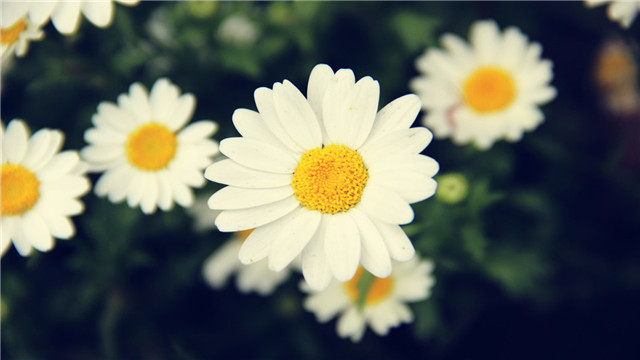
1. Watering
During the germination period, daisies have relatively high water requirements, so water them more and do not let the soil dry out. After the seedlings emerge, reduce the number and frequency of watering, and water only after the soil becomes dry.
2. Fertilizing
The nutrients in the soil alone can hardly meet the growth needs of daisies, so regular topdressing is needed. Apply fertilizer once a week during the growing period; you can choose a fertilizer specially made for daisies or some compound fertilizer. Before use, it needs to be diluted to avoid burning the plant's roots.
3. Light
Daisies like light. Exposing them to the sun more during their growing period can not only make their leaves greener but also help them grow faster. Receiving a certain amount of light during the flowering period can help them produce more beautiful flowers.
4. Temperature
Daisies prefer cool conditions and fear heat, are slightly cold-tolerant, and are suitable for growing in an environment of 18-22°C. In summer, adjust the temperature to below 25°C, and in winter, adjust it to above 5°C. When they are about to bloom, adjust the temperature to between 10-25°C so that they can produce healthy flowers.
5. Precautions
1. Soil. Daisies have good adaptability to soil, and garden soil can be used for home cultivation.
2. Drainage. During the rainy season, rainfall is relatively heavy. If daisies are exposed to rain, rainwater may accumulate in their flowerpots, which can cause root rot. Therefore, drain the water promptly after rain.