What are the cultivation methods and precautions for Peperomia (Peperomia obtusifolia)?
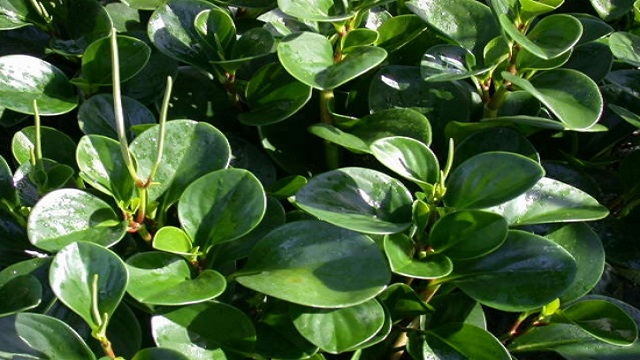
1. Growing environment
(1) Soil: Peperomia prefers loose, humus-rich, well-draining sandy soil, and heavy clay soil must not be used. It can be made by mixing leaf mold with river sand, or peat soil and perlite can be used. Some decomposed fertilizer can also be added to it.
(2) Watering: The plant prefers moisture and is not drought-tolerant. Therefore, water frequently during the growing period, especially when the temperature is above 25°C. When it is below 25°C, water after the soil surface dries. When it is below 10°C, water must be controlled.
(3) Humidity: Keep the humidity at around 70%. When evaporation is high and the air is dry, spray water in time.
(4) Temperature: It prefers warmth, and the most suitable temperature is 20 to 30°C. In winter, attention must be paid to keeping it above 10°C for it to survive the winter safely. The minimum must not be lower than 5°C, otherwise it will suffer frost damage.
(5) Light: It prefers partial shade or scattered light. In winter, sufficient light must be provided. In summer, shading is needed. In other seasons, scattered light is sufficient.
2. Pest control
There are relatively few diseases, and the main pest is red spider mites. After they are found, if there are few, wipe the leaves with a damp cloth to remove them. If there are many, spray targeted pesticides. In addition, attention should also be paid to increasing humidity.
3. Pruning
For newly propagated seedlings, pinch out the growing tips when they grow to about 10 cm to increase the number of branches. At ordinary times, prune according to the overall shape and growth condition.