How to care for succulents during the May rainy season? Mastering the right method is key
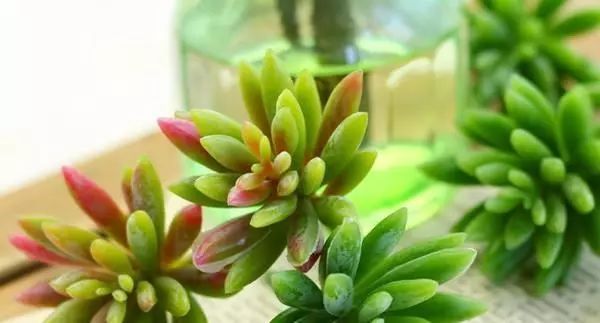
Of course, if we want our succulents to get a little rain in May, then at the very least we need to let them get used to the local climate and environment beforehand, because some succulents that are leggy or sick have weaker resistance, so getting rained on will aggravate their infection with diseases; especially for those that were just bought and planted not long ago, frequent rain can also speed up their stretching.
First, let's look at old-stem succulents. If they are old stems that have been grown on a balcony or terrace for some time, then getting rained on is no problem at all (old-stem succulents have a stronger constitution), but if this goes on too long and there is also a lack of light, then the plants may show signs of leaf drop, turning to mush, or even stretching, and in serious cases they may also become infected with black rot.
If we are talking about succulents of the Echeveria or Sedum genus with tightly packed leaves (such as Echeveria glauca, Sedum adolphii, and Echeveria elegans), rainwater easily remains in the leaf center and where the leaves join (if water collects on the leaves for a long time, it easily breeds bacteria and fungi). So if you don't court disaster, you won't meet it - never leave succulents outdoors in the rain for a long time.
Of course, where there is harm there is bound to be benefit. If there are wounds in the potting soil or dead leaves of succulents from mealybug feeding, then rainwater will easily speed up infection of the wounds with black rot; of course, if there are no wounds on the stems or joints of the succulents, then pest outbreaks can be effectively controlled.
For succulents, getting rained on has both benefits and drawbacks; as for how to weigh them, it depends on your own considerations.