-
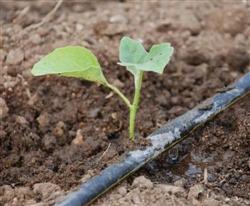
What are the correct methods for applying water-soluble fertilizer by flushing?
How is flush-applied fertilizer used? How can it be applied for better results? Please give guidance. The following methods can be used for reference when applying flush fertilizer: combine topdressing with flush fertilization. Choose high-quality fertilizers, mainly multi-element compound fertilizers, and adopt a combination of topdressing and flush application. On the one hand, this solves the nutrient needs of surface roots; on the other hand...
-
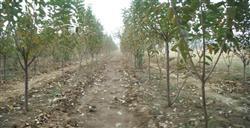
What are the methods of applying organic fertilizer to fruit trees?
How should organic fertilizer be applied to fruit trees? Please give guidance. Fruit trees need a balanced supply of nutrients. Although organic fertilizer is very rich in nutrients, the ratio and content of nitrogen, phosphorus and potassium cannot fully meet the growth needs of fruit trees. Especially during the piling and decomposition process of organic fertilizer, the nitrogen content will further decrease. If applied alone...
-
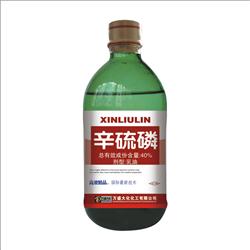
How is phoxim applied? A detailed explanation of the correct method
How is phoxim applied? What pests can it kill? Let us introduce it. Phoxim is a brownish-yellow liquid, and the formulations sold include 50% emulsifiable concentrate, 3% and 5% granules. Phoxim is stable under neutral and weakly acidic conditions, and easily decomposes under alkaline conditions. Under sunlight, especially ultraviolet light, it quickly photodegrades and loses effectiveness....
-
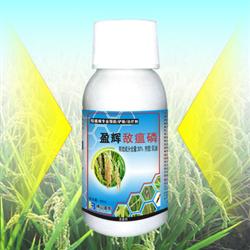
What are the correct methods for using edifenphos?
How is edifenphos used? Please explain. Edifenphos, also known as Kitazin, is a fungicide with protective and curative action. It is currently used mainly to control rice blast. Edifenphos also has good control effects against rice sheath blight, panicle blight, and northern and southern corn leaf blight. The formulation is a 40% emulsifiable concentrate. The application techniques are as follows:...
-
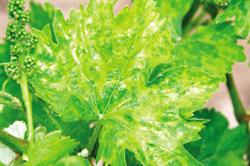
How to determine pesticide phytotoxicity? These judgment methods are worth knowing
How to determine pesticide phytotoxicity? Please provide an introduction to the methods. For phytotoxicity caused to crops, the existence of factors such as disease, nutrient deficiency, and crop physiological disorders increases the difficulty of identification. When phytotoxicity occurs and crop growth is abnormal, the following points should be noted in diagnosis: First, the abnormal...
-
What are the correct methods for using low-toxicity fungicides?
How are low-toxicity fungicides used? Please provide an introduction to the methods. The following introduces the methods for using several low-toxicity fungicides: Antimycin 120 (Nongkang 120, 120 agricultural antibiotic) is suitable for controlling powdery mildew, anthracnose and Fusarium wilt. To control soil-borne diseases such as Fusarium wilt of cucurbits and eggplant, a 2% aqueous solution at 130 to 200 times dilution can be used...
-
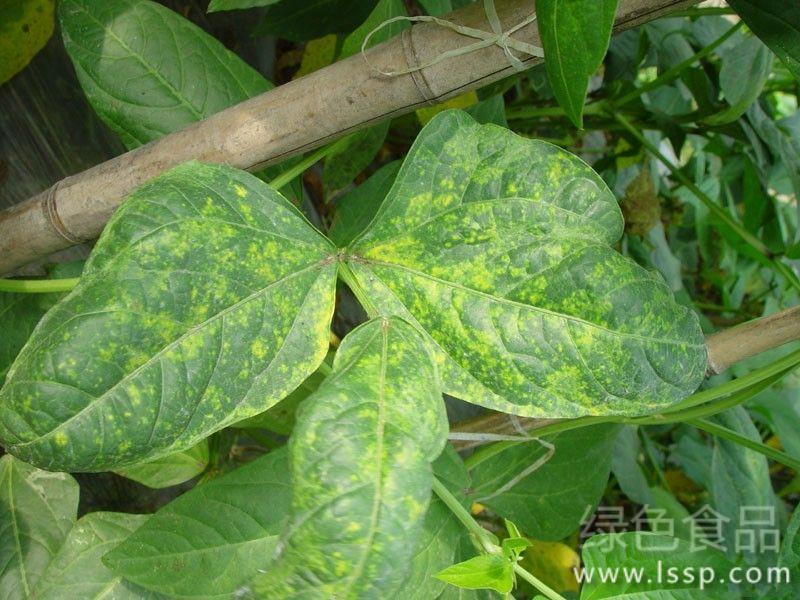
Cowpea is prone to mosaic disease in summer; what are the control methods?
Cowpea is prone to mosaic disease in summer; how to control cowpea mosaic disease
-
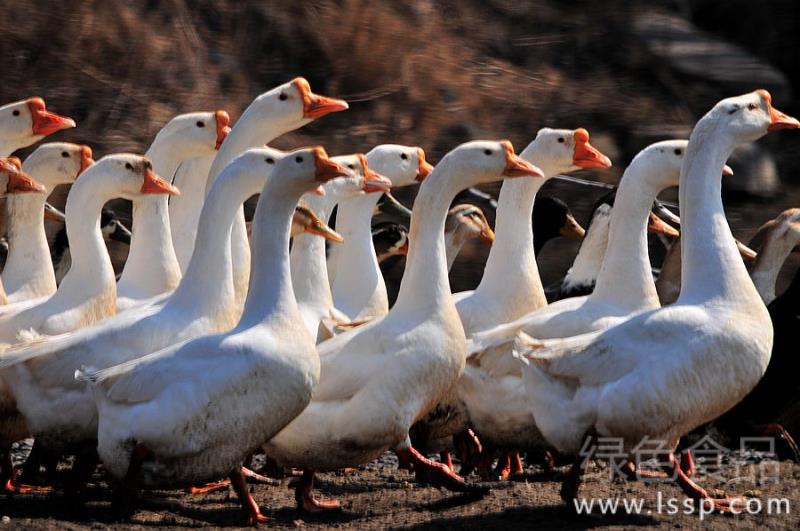
When do geese need supplemental feeding? Master the three-observation method
When do geese need supplemental feeding? Feeding geese supplements requires "three observations"
-
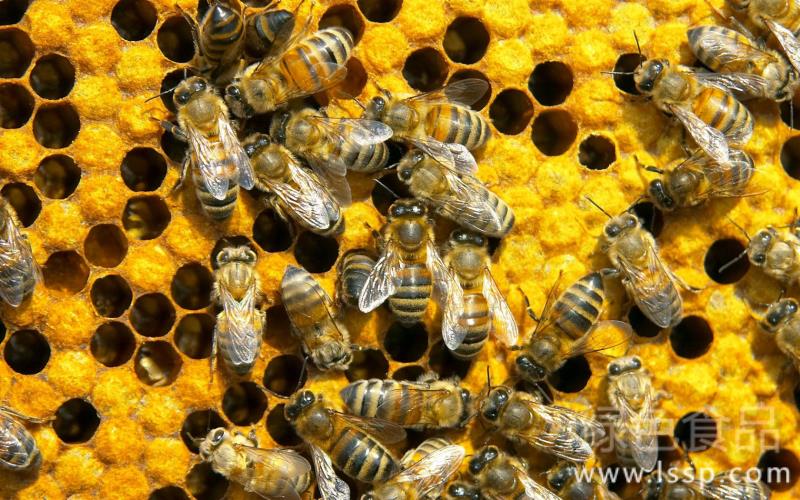
Master the three methods of feeding bees water to make the colony produce more honey
To make bees produce more honey, three methods of feeding bees water
-
How to identify the quality of compound fertilizer? Teach you a few practical identification methods
How to identify the quality of compound fertilizer? Please give an introduction to the identification methods. To identify the quality of compound fertilizer, you can refer to the following methods: check the outer packaging. The outer packaging of products from regular manufacturers is relatively standard, printed with the product name, trademark, national standard, production license number, the common NPK ratio of compound fertilizer, total nutrient content, net...
条件筛选