How is phoxim applied? A detailed explanation of the correct method
How is phoxim applied? What pests can it kill? Let us introduce it. Phoxim is a brownish-yellow liquid, and the formulations sold include 50% emulsifiable concentrate, 3% and 5% granules. Phoxim is stable under neutral and weakly acidic conditions, and easily decomposes under alkaline conditions. Under sunlight, especially ultraviolet light, it quickly photodegrades and loses effectiveness....
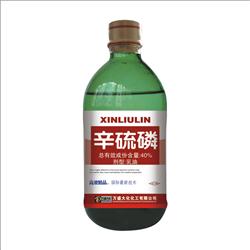
How is phoxim applied? What pests can it kill? Let us introduce it.
Phoxim is a brownish-yellow liquid, and the formulations sold include 50% emulsifiable concentrate, 3% and 5% granules. Phoxim is stable under neutral and weakly acidic conditions, and easily decomposes under alkaline conditions. Under sunlight, especially ultraviolet light, it quickly photodegrades and loses effectiveness.
Phoxim mainly acts through stomach toxicity and contact poisoning against pests. When sprayed in the field, it remains effective for 2-4 days, and in soil it remains effective for 1-2 months. Phoxim has a very high toxic effect on lepidopteran larvae. It can control many pests on crops such as wheat, corn, soybean and tobacco. When controlling underground pests, it has a long residual effect and good results. Under light, phoxim quickly decomposes into non-toxic substances, so it can be used to control many pests of economic crops such as vegetables and oil crops.
To control underground pests such as white grubs, mole crickets and wireworms, use 10 ml of 50% phoxim emulsifiable concentrate, dilute with 0.5 kg of water, mix with 6-8 kg of seeds of wheat, corn, sorghum, etc., pile and cover for 3-4 hours, then sow. Note that treated seeds must not be exposed to sunlight for a long time. Using a 1000-fold dilution of 50% emulsifiable concentrate to drench holes gives very good control of the black cutworm. To control field pests such as crickets and scarab beetles, use 100-150 ml of emulsifiable concentrate per mu mixed with 6-7 kg of sandy soil, and cover the seeds with it at sowing or scatter it in the furrows and holes before transplanting. Use 1.5-2 kg per mu of 3% or 5% granules mixed with fine soil and sown together with the seeds. After emergence, use 3-4 kg of granules per mu mixed with 5-10 kg of fine soil, open a furrow beside the plants and apply it in; this method gives very good control of white grubs during the pegging stage of peanuts.
Control of field crop pests. For cotton aphids, use 50-75 ml of 50% emulsifiable concentrate per mu; for cotton bollworm, use 75-100 ml per mu. The amount of water for spraying is determined according to growth conditions. When armyworms occur, use 40-50 ml of 50% emulsifiable concentrate per mu diluted with water for spraying. Use 3% granules mixed with 40 times their volume of cinder or fine sand to control corn borer; during the heart-leaf stage of corn, scatter 600 plants per kg of poisoned soil.
Control of vegetable pests. For aphids, cabbage caterpillars, diamondback moths, etc., spray with a 1000-1500-fold dilution; for tobacco budworm, use 75-100 ml of 50% emulsifiable concentrate per mu diluted with water for spraying.
During grain storage, when grain pests such as red flour beetles and long-headed flour beetles occur, use 10 ml of 50% emulsifiable concentrate per 100 kg of grain, spray and mix evenly. To control grain pests such as rice weevils, treat each 100 kg of grain with 25 ml of 50% phoxim emulsifiable concentrate.
Phoxim is highly toxic to Trichogramma wasps, so efforts should be made to protect natural enemies when applying it. Phoxim can be stored for more than one year under dry, light-protected conditions. If the product has been stored too long or improperly, test it before use.
Click to get more insecticide application techniques
Click to get more pesticide application techniques