-
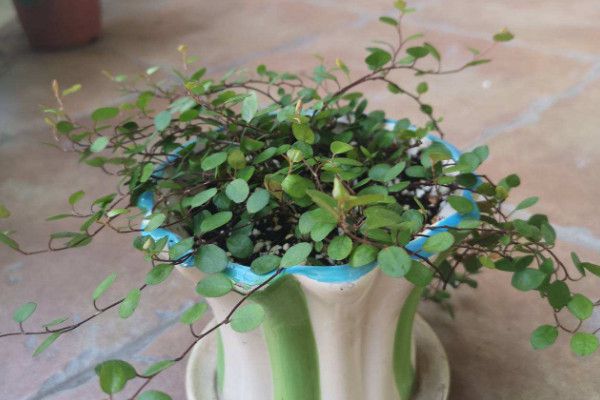
Why does the thousand-leaved spider plant drop its leaves at the slightest touch?
Thousand-leaved spider plant drops leaves at the slightest touch
-
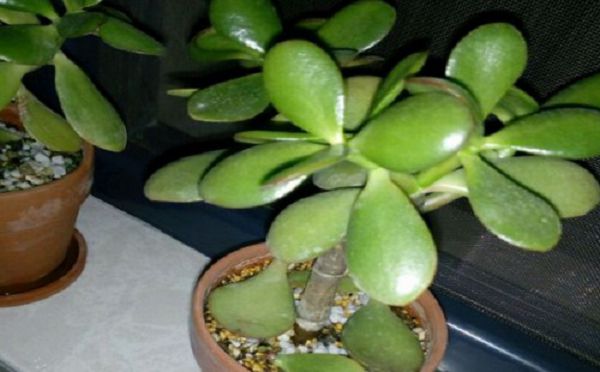
Jade plant leaves fall off at the slightest touch - what to do? Find the cause and it's easy to solve
Jade plant leaves fall off at the slightest touch - what to do?
-
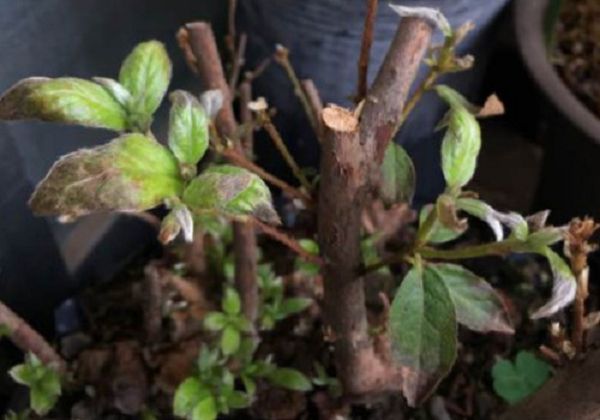
What should I do when the new leaves of the azalea (Rhododendron) dry up, turn black, and fall off at the slightest touch?
What should I do when the new leaves of the azalea (Rhododendron) dry up, turn black, and fall off at the slightest touch?
-
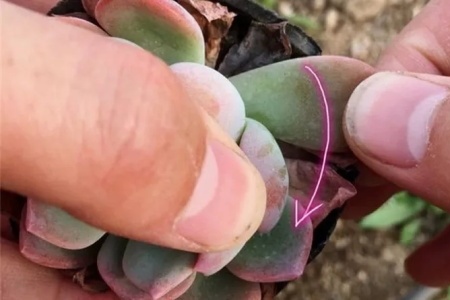
How to make succulent leaves sprout fastest? A few practical tips to speed up sprouting
How to make succulent leaves sprout fastest
-
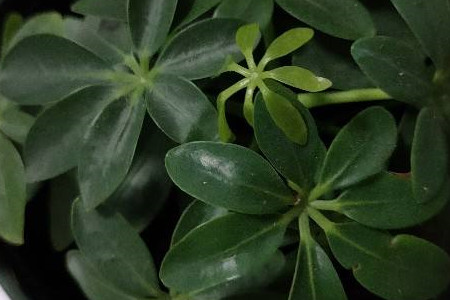
How to root Schefflera arboricola (dwarf umbrella tree) cuttings in water fastest? A few little tips for you
The fastest rooting method for Schefflera arboricola in water
-

DNA testing confirms the Formosan landlocked salmon is a species endemic to Taiwan, China
Taiwan's Shei-Pa National Park announced the results of its conservation research program, among which research on Taiwan salmon, also known as the Formosan landlocked salmon, has made a major breakthrough. Through DNA sequence mapping analysis, it has for the first time been confirmed that the Formosan landlocked salmon is a native species endemic to the Taiwan region of China, and did not evolve from the landlocked form of masu salmon introduced from Japan or from rainbow trout that escaped from farms, but is truly a unique variety endemic to Taiwan. According to a report by Taiwan's Eastern Broadcasting, Taiwan salmon, formerly named Formosan landlocked salmon and also known as Taiwan trout, Lishan trout and Cishan trout, is the only temperate fish species in the subtropical Taiwan region, China,
-
Detailed Explanation of Efficient Production Technology for Phalaenopsis Test-Tube Plantlets
Phalaenopsis is an orchid with high ornamental value, known as the "Queen of Orchids." Its plant form is very peculiar, being a monopodial epiphytic orchid, with roots that prefer to be exposed above the potting medium or extend out of the bottom of the pot, absorbing water and nutrients from the air. The flower stalk emerges from the leaf axil, curving in an arc, possessing great curvilinear beauty. The stalk has nodes, and flowers bloom on the upper nodes, opening one after another in succession. Flower colors vary endlessly, including crimson, pure white, light purple, goose yellow, and azure blue, among others; some varieties have bicolor or tricolor flowers with stripes or variegation,
-
Detailed Explanation of Key Techniques for the Cultivation and Management of Phalaenopsis Test-Tube Plantlets
I. Acclimatization and Removal from Flask for Planting of Test-Tube Plantlets 1. Acclimatization To increase the survival rate of Phalaenopsis test-tube plantlets, the plantlets must first be strong. Before removing the plantlets from the flask, they must first undergo acclimatization. When the plantlets have three leaves, place them in diffused sunlight and expose them evenly for about 20 days, so that the test-tube plantlets grow more robustly and can adapt more quickly to external environmental conditions after being removed from the flask. 2. Removal from Flask Great care must be taken when removing the plantlets from the flask. First pour a small amount of water into the culture flask, then gently shake the flask. After the solid culture medium is loosened, use long tweezers to take out the orchid plantlets, minimizing damage to the orchid
-

条件筛选