-
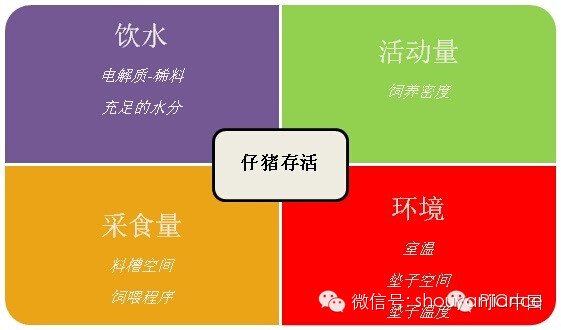
Interpretation of the Latest Research Progress on Porcine Epidemic Diarrhea
The Unchanging Rhythm | The Latest Research Progress on Porcine Epidemic Diarrhea
-
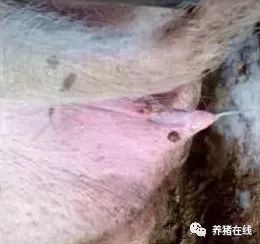
Painless uterine cleaning for sow endometritis, tested with a 100 percent breeding success rate
Sow endometritis, painless uterine cleaning, 100 percent breeding success! Tested!
-
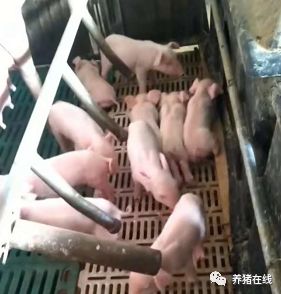
What drug works fastest for acute panting in piglets?
What drug cures acute panting in piglets fastest?
-
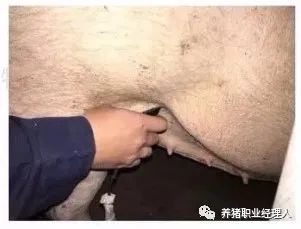
Proper use of ultrasound for pregnancy testing
How to correctly use ultrasound for pregnancy testing
-

Symptoms and Prevention and Treatment Methods of Fish Intestinal Fungal Disease
The pathogen is Basidiobolus sp., belonging to the class Zygomycetes, order Entomophthorales, family Basidiobolaceae. Symptoms: The anterior abdomen and the area in front of the anus of diseased fish are noticeably swollen, forming two white protrusions. Because the anus is blocked, the diseased fish cannot defecate and soon dies. After death, the abdominal wall quickly rots through, exposing the viscous internal organs. Dissection of diseased fish reveals a white, sticky, fat-like substance coating the outside of the stomach and intestines; the intestines become thickened and white, with a thinned intestinal wall, and the interior is filled with hyphae and their conidia, especially densely packed at the end of the intestine. In a small number of diseased fish, hyphae are also distributed in the stomach, but no infection was observed
-
Home-style recipe for spicy pork intestine boiled fish, delicious and great with rice
Ingredients for pork intestine boiled fish: pork intestine, grass carp, Pixian douban (fermented broad bean paste), ginger, scallion, garlic, dried chili, sesame oil, celtuce, garlic sprouts, Chinese celery. Method: wash the pork intestine using a special method, then cut into small sections; slice the grass carp into fillets, marinate with salt, yellow rice wine and shredded ginger, and marinate the head and tail separately on another plate; stir-fry celtuce and other ingredients as the base; add the seasonings to the wok and stir-fry, and once the aroma comes out, add the head and tail, fish fillets and pork intestine, and cook them together in a secret-recipe sauce pot. Features: pork intestine and boiled fish are mostly seen "fighting alone", but now the two are combined in one pot,
-
Prevention and Treatment of Intestinal Tympany in Horses, Donkeys and Mules
Causes "Intestinal tympany" in horses, donkeys and mules mostly occurs in summer and autumn. The main cause is a one-time excessive feeding or grazing of fresh, tender and succulent forage (especially legumes such as alfalfa). After these excessive amounts of forage are blocked and retained in the stomach and intestines, they rapidly ferment and produce gas, and because there is too much forage in the stomach and intestines, the large amount of gas cannot be expelled in time, thus causing intestinal tympany. Symptoms In the early stage, the sick animal shows intermittent abdominal pain, which quickly turns into severe and continuous abdominal pain, with the animal repeatedly lying down and getting up or rolling on the ground, and the abdominal circumference rapidly increases; percussion produces a tympanic or metallic
-
Causes, Diagnosis, and Prevention of Small Intestinal Obstruction in Dogs Small Intestinal Obstruction
Small intestinal obstruction is an acute abdominal condition in dogs, often caused by mechanical blockage of the small intestinal lumen or irreversible changes in the normal position of the small intestine, such as intussusception, incarceration, and volvulus. In addition to causing intestinal blockage, small intestinal obstruction is also accompanied by local blood circulation disturbance. Causes: ingestion of bones, fruit pits, and elastic toys. Intestinal parasites such as roundworms and tapeworms; roundworm-induced intestinal obstruction in puppies under four months of age is one of the main causes. Post-surgical intestinal adhesions, intestinal tumors. Strenuous activity after eating causing mesenteric rupture, diaphragmatic rupture, or umbilical hernia causing the intestine to enter
-
What to do when the golden coin turtle (Cuora trifasciata) contracts bacterial intestinal hemorrhagic disease
Bacterial intestinal hemorrhagic disease in the golden coin turtle is an intestinal disease caused by opportunistic pathogenic bacteria. It is usually triggered by unclean or contaminated water, or by eating spoiled and rotten leftover bait. In March 1997, golden coin turtles at an aquaculture farm in Mule Town developed cases characterized by reduced feeding, refusal to eat, listlessness, bleeding from the mouth and nose, and not even fleeing when grasped by hand; clinical and necropsy examination led to a diagnosis of bacterial intestinal hemorrhagic disease. The details are as follows: 1. Incidence situation The aquaculture farm kept 57 golden coin turtles, each with a body
-
Is the project of extracting heparin sodium from pig small intestine feasible?
Heparin sodium is an important biochemical drug, clinically used to treat acute myocardial infarction and viral hepatitis. Combined with ribonucleic acid, it can increase the efficacy against hepatitis B. Combined with chemotherapy, it helps prevent the metastasis of cancer cells. In addition, it also has the effect of preventing thrombosis. The production of heparin sodium falls short of demand, and the gap in the international market is extremely large. The intestinal mucosa from about 2000 pig small intestines after processing the casings can produce 1 kg of heparin sodium, worth about 22000 yuan. Therefore, using this by-product, pig small intestine mucosa, to produce heparin sodium, its value
条件筛选