Jade plant leaves fall off at the slightest touch - what to do? Find the cause and it's easy to solve
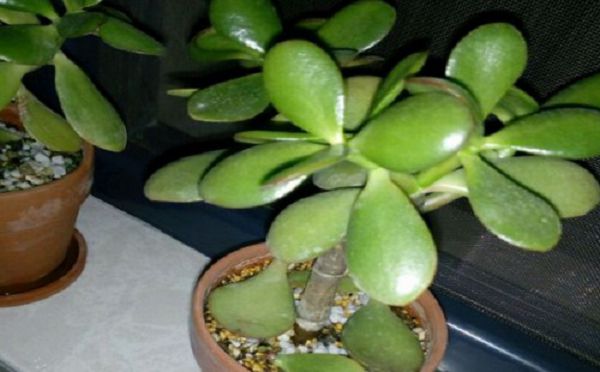
The jade plant (Crassula ovata) is deeply loved by plant enthusiasts for its extremely high ornamental and practical value, and many people like to grow it as a potted plant in their home environment. But during the process of care and management, some enthusiasts find that their potted jade plant easily drops leaves, and sometimes the leaves fall off at the slightest touch. For an indoor foliage potted plant, encountering leaf drop is naturally very hard to accept.
The jade plant has the characteristic of liking warmth and dryness, so during normal care and management, you should provide it with sufficient light as much as possible, water it reasonably, and at the same time ensure smooth ventilation in the environment. If the care environment is too shady, while the potting soil is often too wet, and on top of that ventilation is poor, the plant will very easily show the phenomenon of leaves dropping at the slightest touch, and they may even fall off without being touched.
Of course, if there has been no watering for a long time, causing the potting soil to become too dry, and the plant cannot replenish water in time and consumes the water stored in its own leaves, this can also easily cause leaf drop. Moreover, in a high-temperature, scorching summer environment, severe dehydration of the leaves will likewise cause leaf drop. Of course, there is another situation: the plant has become infected with a disease, especially black rot, which will also cause leaf drop.
From the analysis of the above aspects, we can conclude that the main causes of leaf drop in the jade plant are the following:
1. Lack of light
When lack of light causes a potted jade plant to drop leaves, we only need to provide it with light. But you must not directly give it full sun, because the plant has been in a shady state for a long time and needs to be given light gradually; after all, the plant also has a process of adaptation, otherwise it may worsen the leaf drop.
2. Light that is too strong
Light that is too strong is mainly caused by exposure to the scorching sun in a high-temperature, high-heat summer environment, which causes the leaves to lose a large amount of water, while the plant's root system is relatively shallow and cannot absorb and transport water in large amounts in time. So in a high-temperature summer environment, you must provide shade measures for the potted jade plant; it is recommended to move it to a bright place indoors.
3. Potting soil that is too wet
Potting soil that is too wet may mainly be due to poor permeability inside the pot, and when too much water is given, it easily makes the inside of the pot too damp and causes leaf drop. For this situation, we should promptly improve ventilation conditions and strengthen drainage; if the root rot is severe, it may also be necessary to repot and change the soil.
4. Potting soil that is too dry
If the potted plant has not been watered for a long time, causing the potting soil to become too dry, the plant will show leaf drop under dehydration. So we should water it in time. But at this time, watering should not be heavy; after all, after a long drought, if you water heavily, absorption will be poor and the symptoms will be hard to improve. Instead, you should replenish water gradually.
5. Infection with black rot
If the roots of the jade plant are infected with black rot, it will inevitably cause a large number of roots to rot, so that they cannot normally absorb and transport water, and then the plant will inevitably also show leaf drop. Black rot is also a disease that is relatively difficult to cure and is highly destructive. Generally, it requires timely repotting and changing the soil, along with root trimming and disinfection treatment, and then replanting in a pot.