-
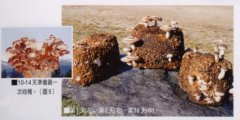
Practical Shiitake Cultivation Techniques and New Fast-Growing, High-Yield Technology
The scientific name of shiitake is Lentinus edodes. It is a low-calorie food; eating 50 grams of shiitake per day provides only 15 calories. Its protein and fiber content is also high, and it is rich in calcium. In addition, shiitake contains two components that have been proven to have medicinal effects, namely shiitake mycelium extract (LEM) and lentinan, both of which are currently sold as commercial products.
-
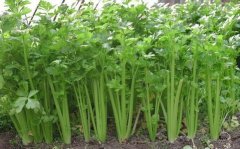
Celery Planting Methods and Cultivation Techniques Explained in Detail
Organic Celery Cultivation Methods Varieties Celery has slender, hollow leaf stalks and a strong fragrance, and can be used for stir-frying, boiling and as a seasoning. Varieties can be divided into local types: Tianwei variety (green leaves, white stalks), green tube, summer celery; and Western types (divided into green and yellow). The Tianwei variety has light green leaf stalks, few fibers, many branches, excellent quality, a strong fragrance and is not easily subject to rot.
-

Detailed Guide to Loofah Cultivation, Pruning Techniques and Planting Seasons
Organic Loofah and Angled Loofah Cultivation and Management Techniques Loofah planting season: Loofah is a vegetable variety that can be planted in all four seasons, and its requirements for season are not strict, but it does have certain requirements for planting time. Note that loofah should not be planted during the transition between seasons, so it is generally started around February in spring or in late May in summer, in early September for autumn, and for winter it is not recommended to plant.
-
Detailed Explanation of Rice Cultivation Management Techniques and Fertilization Methods and Application Rates
Fertilizer Management in Organic Rice Cultivation I. Fertilizer management is an important part of rice cultivation, and the fertilizer management in organic cultivation mainly consists of replacing chemical fertilizers with organic fertilizers, but improper application of organic fertilizers often causes poor growth in rice, such as
-
A Detailed Guide to Organic Tea Cultivation Techniques and Tea Garden Management Essentials
Organic Tea The significance of organic cultivation in tea gardens lies in avoiding the use of synthetic chemical pesticides and chemical fertilizers to produce tea; its purpose is to safeguard the health of cultivators and consumers and to protect the Earth's ecological environment. The method of organic cultivation in tea gardens lies in using
-
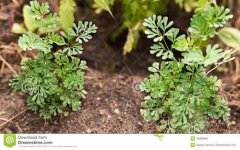
A Detailed Guide to Herb Cultivation Techniques: How to Grow Herbs Well
Organic Herb Cultivation The Kaohsiung District Agricultural Research and Extension Station states that Taiwan is currently experiencing a herb craze, with herbs being fully applied to daily life in eating, drinking, play, and entertainment; to align with the government's leisure agriculture policy, the Kaohsiung Station is developing industries suited to rural characteristics in response to the impact after joining the WTO
-
Cultivation Methods and Management Techniques for Thai Mesona
Organic Cultivation and Management of Thai Mesona Plant Characteristics Mesona (Mesona procumbens Hemsl.) is a member of the Lamiaceae (Labiatae) family and is either an annual or biennial often cross-pollinated crop. Its plant types include three forms: erect, semi-erect, and prostrate. Its leaves are ovate, elliptical, and long
-
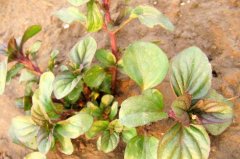
How to Grow Herbs? Detailed Explanation of Cultivation Techniques and Key Growing Points
Organic Cultivation and Utilization of Herb Plants Key Points of Organic Herb Cultivation Management I. Cultivation and Selection of Herb Seedlings The selection of seedlings in herb cultivation is very important. The quality of seedlings greatly affects the later growth and flowering state of the plants. The so-called "seedling is half the work" means
-
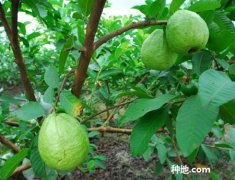
Guava Cultivation Techniques and Planting Time Explained in Detail
Organic Guava Cultivation: Selection and Maintenance of Environmental Conditions. Guava is cultivated over a considerable area in central and southern Taiwan, China, and is one of the important tropical fruit trees. Organic guava cultivation first requires good environmental conditions; the selected orchard must not have air pollution, water
-
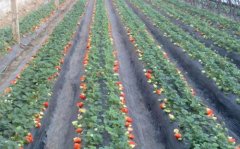
A Detailed Guide to Strawberry Cultivation Techniques and Growing Management Methods
(1) Selection of the environment and coordination with related measures. Practice crop rotation. Carry out soil diagnostic analysis. Soil improvement. No soil, air or water source pollution in the surrounding environment. (2) Weed control methods. Use manual or mechanical tillage for weeding; do not use chemical herbicides. Adopt mulching or crop rotation
条件筛选