A Detailed Guide to Herb Cultivation Techniques: How to Grow Herbs Well
Organic Herb Cultivation
The Kaohsiung District Agricultural Research and Extension Station states that Taiwan is currently experiencing a herb craze, with herbs being fully applied to daily life in eating, drinking, play, and entertainment; to align with the government's leisure agriculture policy, the Kaohsiung Station is developing industries suited to rural characteristics in response to the impact after joining the WTO, promoting a lifestyle of enjoyment and leisure industry themed around "herbs," hoping to open up a new farming approach for farmers, invigorate the local economy, and promote sustainable agricultural development. The Kaohsiung District Agricultural Research and Extension Station points out that organic herb cultivation first requires good environmental conditions: choose sandy loam rich in organic matter with good drainage and aeration, and maintain slightly alkaline soil (pH value around 7.3); acidic soil can be improved with lime materials.
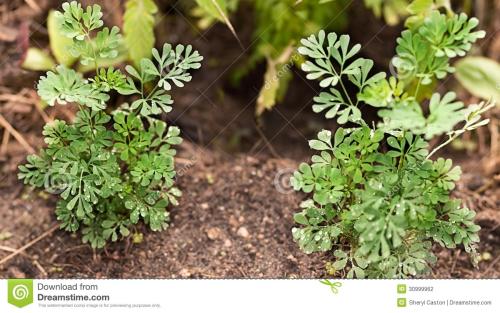
Herb plants are native to high-latitude cool, dry regions. Under Taiwan's climatic conditions, the autumn and winter climate is more favorable for them, and herbs planted at this time have better quality. Their optimum growth temperature is between 15 and 25 °C. Autumn, winter, and spring (October to May) are more suitable for herb growth, and they should avoid high temperature and high humidity (a hot, humid environment makes them prone to Phytophthora blight). Although herbs are mostly sun-loving plants, under strong summer sunlight, to prevent scorching, 50% shading should be used along with pruning. When planting herbs, avoid excessively high moisture content; high beds favor root development. Covering the bed surface with rice straw, coconut fiber, or non-woven fabric can prevent weeds and maintain moderate soil moisture, benefiting plant development. Moisture must be controlled: when watering (irrigating), wait until the soil is slightly dry before watering, avoiding excessive moisture so the roots do not suffocate and die. Therefore, appropriate dryness helps plant development. Before planting, apply 2000 kg of decomposed compost per 10 ares into the soil. During the growth period, apply oil meal compost as a top dressing once every 1 to 2 months, providing supplemental nutrients in appropriate amounts to help healthy development.
The Kaohsiung District Agricultural Research and Extension Station states that herbs themselves have special odors and repellent properties, so there are not many types of pests and diseases. Their main diseases include Phytophthora blight and powdery mildew, while pests include aphids, whiteflies, thrips, and mealybugs. In addition to strengthening cultivation management, choosing the right season for cultivation and combining non-pesticide pest and disease control can produce safe products. When branches and leaves are too dense, prune out the spindly, weak branches and leaves to improve ventilation and sunlight, reduce the occurrence of pests and diseases, and promote new branch growth and flowering. In the early growth stage or the middle-to-late stage, overly vigorous terminal buds and excess axillary buds should be removed to encourage more branching and sprouting, increasing the harvest. In addition, timely picking of branches, leaves, or growing tips helps herb plants grow and can be used for food or tea. For drying purposes, they must be harvested just before full bloom.
Herb plants have a wide range of uses, including in cooking, tea drinks, aromatherapy, and medicinal preparations, and are extremely economically valuable. By integrating herb plants into daily life, people become more refreshed and energized, interpersonal relationships improve, and physical and mental health is promoted. If combined with the development of local organic crops, coordinated with the sightseeing and leisure industry, and with strengthened marketing, a highly promising future will emerge.