How to Grow Herbs? Detailed Explanation of Cultivation Techniques and Key Growing Points
Organic Cultivation and Utilization of Herb Plants
Key Points of Organic Herb Cultivation Management
I. Cultivation and Selection of Herb Seedlings
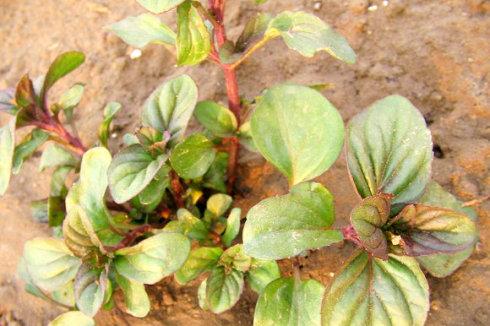
The selection of seedlings in herb cultivation is very important. The quality of seedlings greatly affects the later growth and flowering state of the plants. The so-called "seedling is half the work" means that raising strong seedlings is half the success. Whether propagating by seed or by cuttings, you should choose healthy, virus-free seeds or seedlings with thick, sturdy nodes and stems, green leaves without withered or yellow ones, a firm feel when touched by hand, fragrance, and a vigorous root system that appears white; these are considered superior.
Variety selection in herb cultivation is very important. Because different herb species differ in their tolerance to pests and diseases, choose varieties with resistance to pests and diseases, and carefully select crop types according to the growing season, regional characteristics, and consumer habits. Therefore, in summer it is advisable to choose heat-tolerant quality types, or choose to plant on high, cool mountain slopes above 1000 m, which is beneficial to their growth. Because herbs propagate easily and have strong adaptability to the environment, they can be used in organic cultivation production. In summer, due to high temperatures and frequent heavy rainstorms, it is advisable to use 50% black shade netting or protected cultivation; the quality will be better, and the flower color and fragrance will be more vivid and rich.
II. Selection of Soil
Only with healthy soil can there be healthy crops. For herb cultivation, the soil should preferably be sandy loam rich in organic matter and with good drainage and aeration. The soil pH should preferably be slightly acidic or nearly neutral (PH 6.5 - 7). If it is too acidic ( < PH 5 ), it must be neutralized with lime materials.
III. Fertilization Management
In Taiwan, China's current agricultural management, as a result of the excessive use of pesticides and chemical fertilizers, beneficial microorganisms in the soil die, and farmland shows degradation, hardening, and acidification, lacking organic matter and various mineral elements, which lowers the productivity of degraded land and product quality. Organic fertilizers must be added to improve it, so as to enhance soil fertility and raise crop quality.
Organic cultivation encourages people to use natural and safe compost to improve soil properties and provide the nutrients needed for crop production. Fibrous materials with high carbon content in agricultural waste (such as rice straw, rice hulls, bark, coconut fiber, sawdust, bagasse, fallen leaves, crop residues, etc.) should be mixed and piled with materials high in nitrogen (poultry and livestock manure, processing scraps, oil seed meals, bone meal, blood meal, etc.) for fermentation and decomposition before use. When mixing the above materials, suitable beneficial microorganisms, peat, zeolite powder, smoked charcoal, shrimp shell powder, wood vinegar, etc. may also be added to improve their quality.
Most herb crops are wild species and do not have high fertilizer requirements. If too much fertilizer is applied, they are not only prone to pests and diseases, but it also affects the unique flavor of the herbs. For the amount of organic fertilizer used, generally about 3 metric tons of chicken manure compost, 5-10 metric tons of pig manure compost, and 10 - 20 metric tons of cow manure compost may be applied per hectare as a base fertilizer for herbs (the organic fertilizer must be fully decomposed), adjusting the application rate according to soil fertility conditions and herb type. If nutrients are insufficient during the growing period, apply microbial oil seed meal compost or its extract in small amounts but frequently as a supplement (top dressing).
IV. Natural Methods for Pest and Disease Control
The control of crop pests and diseases is considered an important and relatively difficult part of organic agriculture. Although herb crops also have insect-repellent and fungicidal properties, pests and diseases still occur. According to survey results from the Kaohsiung District Agricultural Improvement Station, aphids, thrips, whiteflies, small green leafhoppers, tobacco cutworms, as well as blight and powdery mildew, may occasionally occur depending on the herb crop type and season. In addition to improving the cultivation environment and management techniques, use healthy seedlings and adopt various non-pesticide natural control methods to eliminate or repel the occurrence of pests and diseases.