-
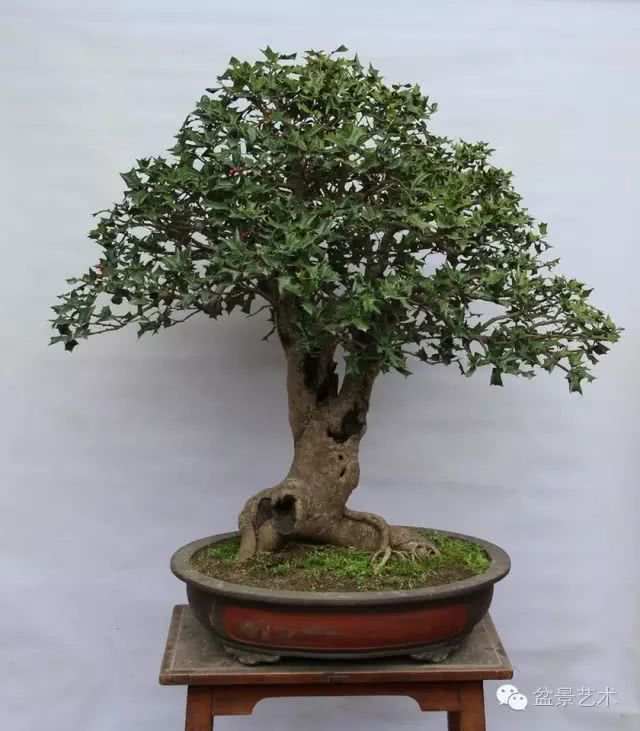
Detailed Explanation of the Production Methods and Techniques for Holly Bonsai
(1) Material selection The tree material for holly is mainly sourced from seed propagation, but cutting or division propagation can also be used; wild collection can also be supplemented. Seed propagation is often carried out from March to April, with a sowing depth of 2 to 3 cm, and a row spacing of 15 to 20 cm for drilling. After sowing...
-
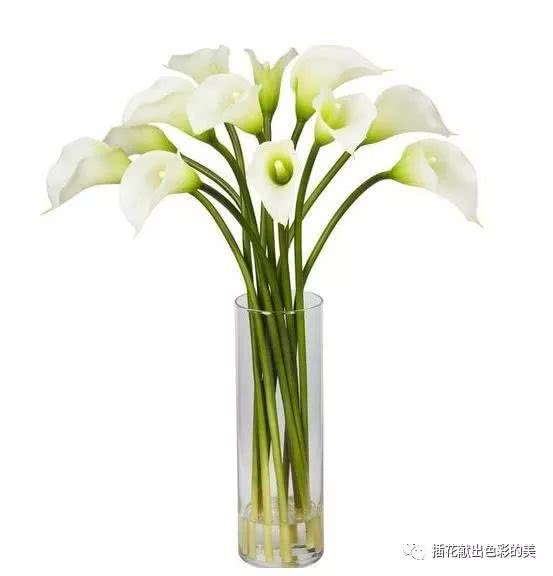
Calla lilies are a common wedding flower yet are often in short supply, and the reason is that cultivation techniques are inadequate.
Calla lilies are a common wedding flower yet are often in short supply. The reason is that cultivation techniques are inadequate. Cultivation techniques. Potting: soil mixing. The potting soil should be fertile, neutral or slightly acidic. You can use 2 parts finely crushed pond mud (or clayey fine sandy soil), 1 part leaf mold (or compost...
-
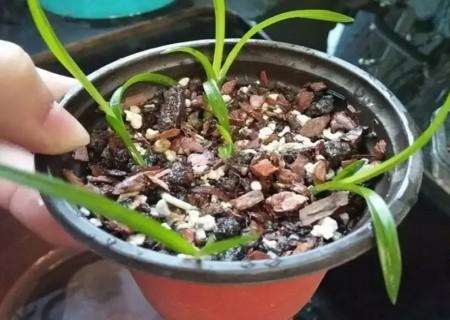
How do you grow potted orchids? A detailed explanation of the key cultivation techniques
I believe many friends who love flowers and plants will place some potted flowers and plants on their balconies, in their living rooms, and other places to decorate their environment. Different people like to grow different flowers and plants in pots, but no matter what variety of plant is grown in a pot...
-
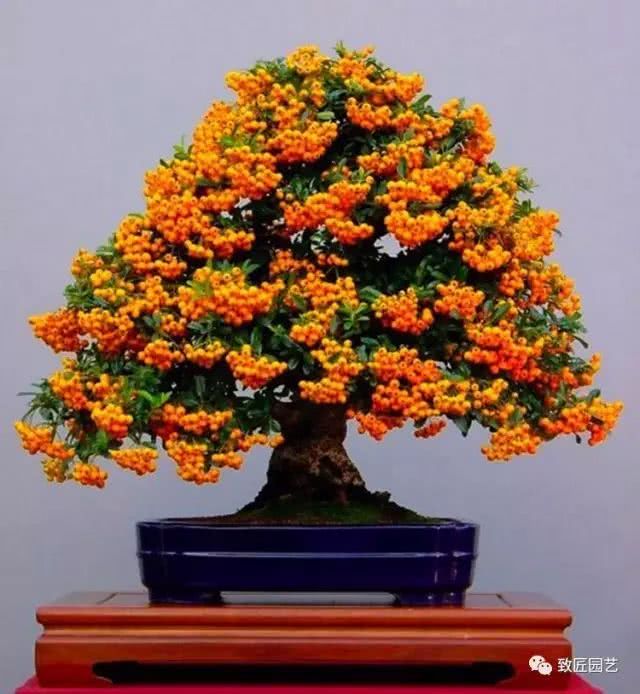
A detailed explanation of the three major techniques for promoting buds on bonsai, so your bonsai sends out more new shoots
I. The bud-notching method. Bud notching is a measure taken when a certain part of a tree lacks branches, to promote bud sprouting and grow new shoots to fill the gap. The method is: before bud break in spring, make a cut 0.5 cm above the bud to be notched with a knife, a small hacksaw blade or a small hand saw following the teeth, just reaching or deeply reaching the xylem, and this will promote that bud to sprout and grow a shoot. Generally, for a long shoot, notch "early, deep, close"; for a short shoot, notch "late, shallow, far".
-
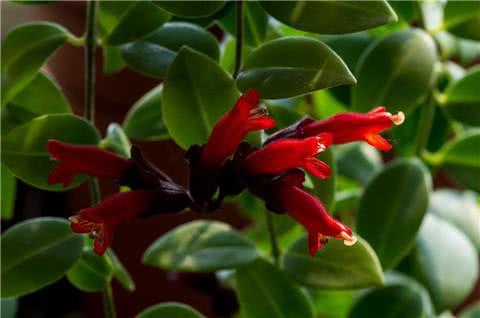
Lipstick plant cuttings: with the right technique, a pot can be full within 1 month
The lipstick plant's unusual red flowers, paired with its green leaves, make for a great ornamental display. Below are the cutting techniques for the lipstick plant! Lipstick plant cuttings are generally taken in spring and autumn. Cutting techniques: (1). Cut healthy branches into sections...
-
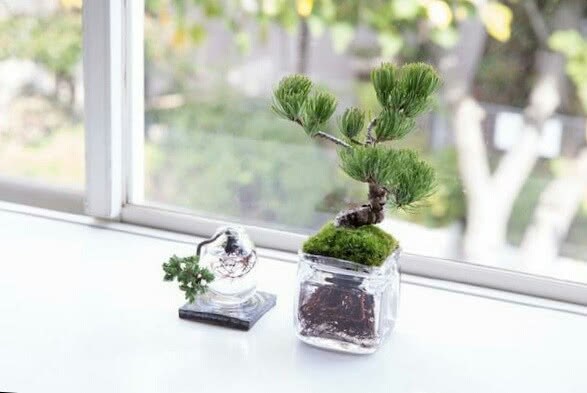
A Detailed Guide to Hydroponic Techniques for Black Pine, Chinese Juniper, and Maple Bonsai
I just came across someone growing bonsai such as pine, Chinese juniper, maple, and ginkgo using hydroponics, and I couldn't wait to show fellow enthusiasts. Without further ado, let's look at the pictures first. Chinese juniper and pine, maple, pine, specially made glass bottles, melted and fixed...
-
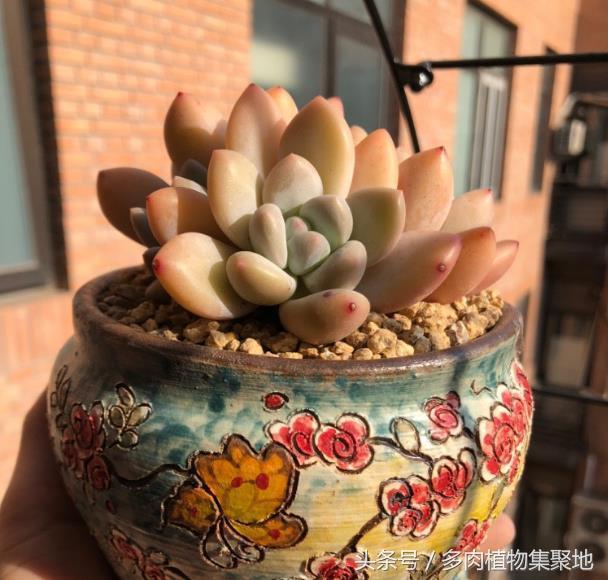
How to grow succulents fast and big? Techniques for plump, beautiful leaves
Let's start with temperature. Simply put, the best growing temperature for succulents is above 10 and below 30 degrees, roughly within this range, and this range also happens to be the spring and autumn seasons. Of course, in the north where there is heating, and further south in Hainan...
-
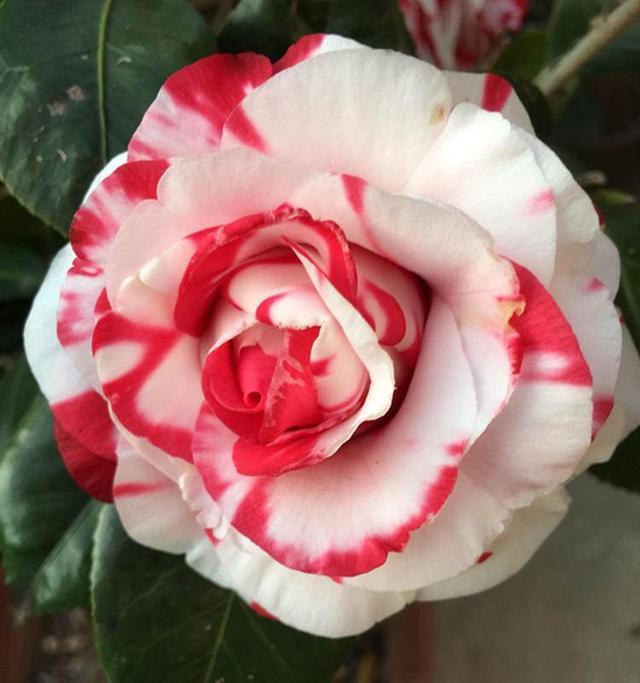
Learn these techniques for camellias, and having a tree full of blooms is easy
The camellia's tree form, flowers, and leaves all have high ornamental value. It is one of the ornamental plants that flower lovers are familiar with and fond of. When it is covered in blooms, red as fire, white as jade, set off by its emerald green leaves, it appears even more delicate and elegant...
-
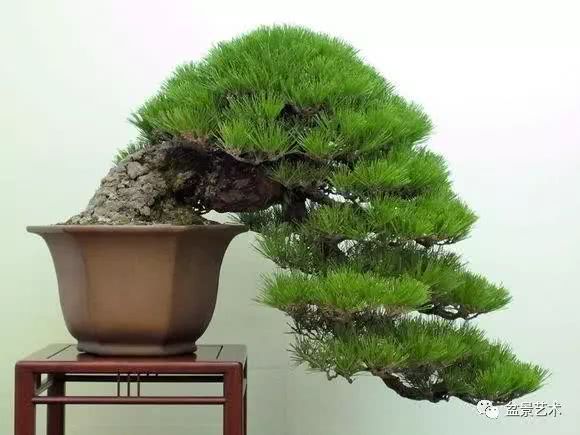
Detailed Explanation of Key Techniques for the Cultivation and Management of Chinese Pine
Chinese pine, also known as Northeast black pine and short-leaved Masson pine, is an evergreen tree distributed in Liaoning, Jilin, Hebei, Inner Mongolia, Henan, Shanxi, Shaanxi, Gansu, Shandong, Ningxia, Sichuan, Qinghai and other places. Chinese pine stays green all year round, with a vigorous...
-
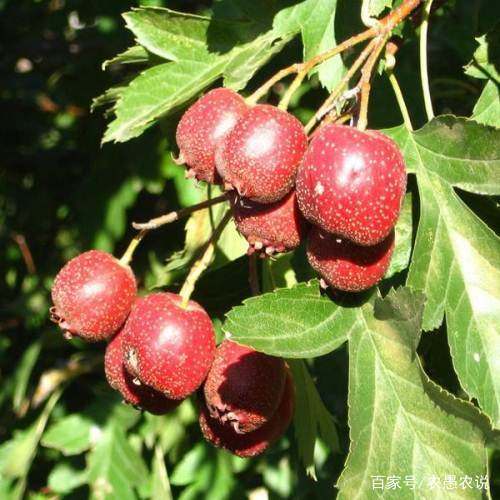
Detailed Explanation of Potted Hawthorn Planting Techniques and Management Methods
1. Selection of flower pots and preparation of nutrient soil. The flower pot should be a breathable clay pot with a diameter of 30-40 cm and a depth of 30 cm, or an equivalent wooden barrel, wooden box, etc. The nutrient soil in the pot is made by mixing leaf mold or humus soil, garden soil, and sand in a ratio of 4:4:2...
条件筛选