-
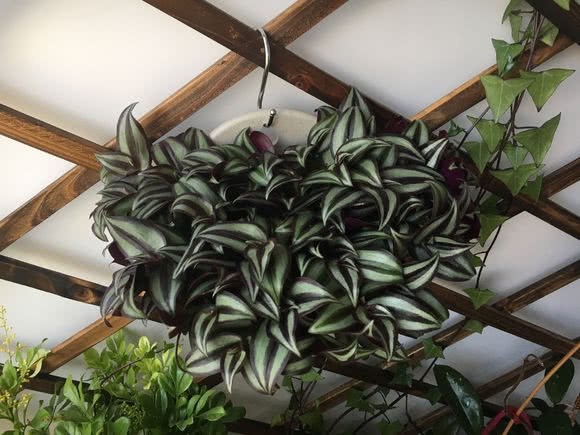
Tradescantia zebrina cuttings require some technique; even a few stems can fill a pot
Tradescantia zebrina is a classic foliage plant. Its leaves look very much like bamboo leaves, dark purple in color with patterns, and most importantly, it is as easy to grow as ivy, especially when grown hanging, it will...
-
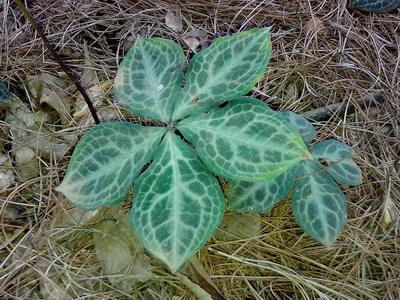
A Detailed Guide to the Medicinal Resources and Cultivation Techniques of Paris luquanensis
Medicinal Resources of Paris luquanensis, Cultivation Techniques of Paris luquanensis 1 Basic Information on the Variety Luquan Paris luquanensis generally grows in Luquan in central Yunnan and Pingbian in southeastern Yunnan, as well as in the northern part of the Gaoligong Mountains, and is also distributed in southern Sichuan (Huidong, Puge and Yuexi). It is a rare variety under provincial-level protection. Because Luquan Paris luquanensis is small, grows slowly and has relatively strict requirements for its growing environment, it is mostly a wild variety. As early as 2011, some large Chinese medicinal herb growers in Luquan County began trial cultivation of Paris polyphylla. Because this medicinal herb is difficult to cultivate and there was no technical experience to draw on within the county, they encountered quite a few problems during cultivation. Over two years, the Luquan Panmao Chinese Medicinal Herb Planting Cooperative persisted in collecting wild Luquan Paris luquanensis from township markets and concentrated them at a seedling base (Tuanjie Town) for greenhouse cultivation. After more than two years of unremitting effort, more than a thousand plants of Luquan Paris luquanensis have now been collected and successfully cultivated, forming a small planting area for protection and propagation.
-
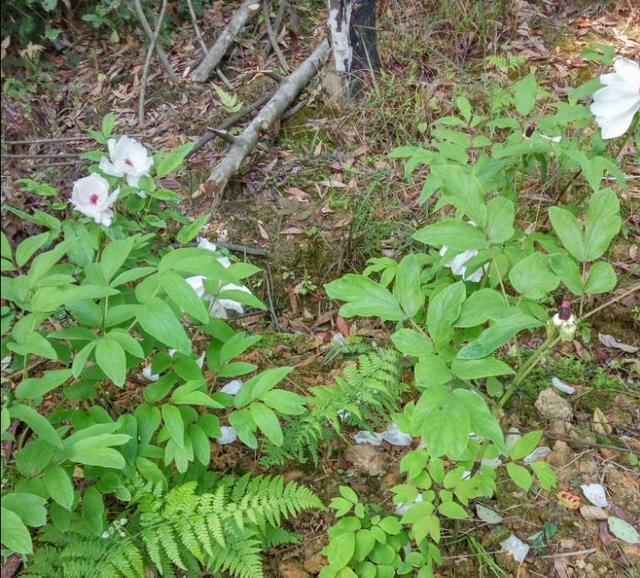
Overview of Medicinal Resources of Moutan Cortex and Pest Control Techniques
Medicinal resources of Moutan Cortex, pest control. Due to the influence of environmental conditions, combined with its fleshy and sweet roots, the tree peony (moutan) is susceptible to damage from both above-ground and below-ground pests. 1. Above-ground pests (1) Scale insects: The whole body is orange-red or tangerine-red, with two generations per year. Females often cluster on leaf stalks or stems to suck sap, causing leaves to turn yellow, twigs to wither, and plant vigor to weaken. When pests are found, the affected branches and leaves can be pruned and burned; during the larval hatching period, 1000-1500 times diluted dichlorvos or omethoate can be sprayed. To ensure the quality of medicinal materials, pesticides should be used with caution; during the dormant period or before sprouting in early spring, spraying branches and trunks with 3-5.5 Be° lime-sulfur mixture has a good control effect.
-
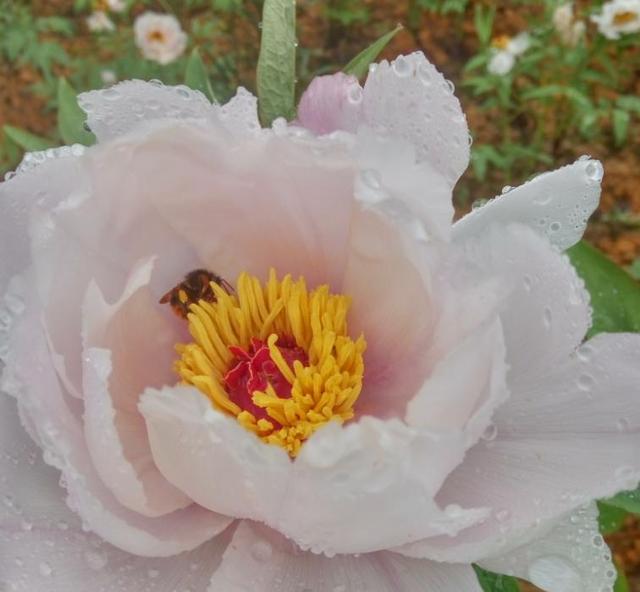
Analysis of Medicinal Resources of Tree Peony Bark and Seed and Seedling Propagation Techniques
Medicinal Resources of Tree Peony Bark, Seed and Seedling Propagation (I) Propagation Methods and Materials. The propagation methods of tree peony are divided into sexual propagation and asexual propagation. Different propagation methods use different germplasm materials. (1) Sexual propagation uses seeds as germplasm material. (2)...
-
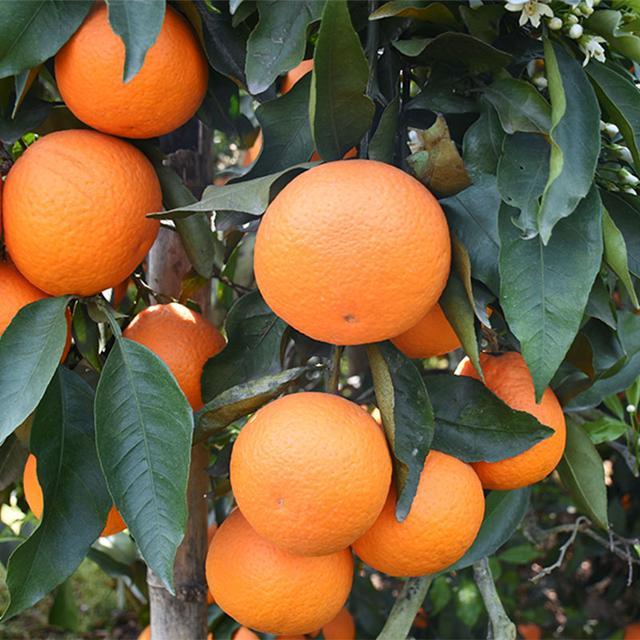
Detailed Explanation of Citrus Planting Techniques and Management Key Points
Citrus Planting Techniques and Management Techniques 1 Main Problems in Citrus Planting 1.1 Small planting area Citrus planting is an important part of the agricultural economy, and increasing citrus yield can increase economic returns. What is closely tied to citrus yield is...
-
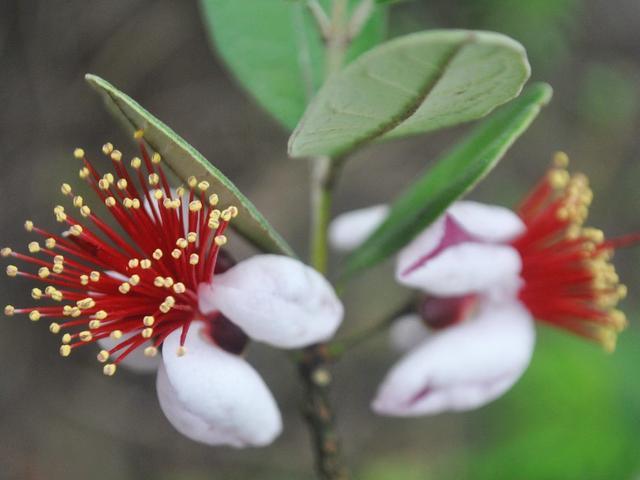
Detailed Explanation of Research Progress on Introduction and Cultivation Techniques of Feijoa
Research Progress on Introduction and Cultivation Techniques of Feijoa Fund project: Key Public Welfare Technology Research Project of Huzhou City, Zhejiang Province (2015C112027). Feijoa is a perennial woody plant of the genus Feijoa in the Myrtaceae family, also known as feijoa, feijoa, pineapple guava...
-
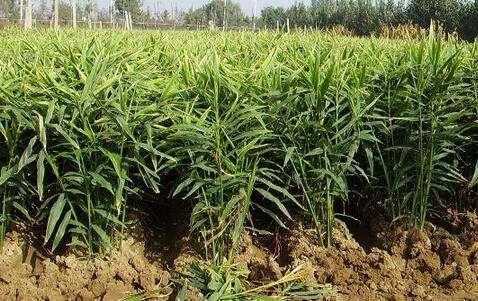
Detailed Explanation of the Key Techniques for Cultivating Yellow Ginger (Turmeric) Under Plastic Shed Film
Cultivation Techniques for Yellow Ginger (Turmeric) Under Plastic Shed Film Ginger is best grown in deep, loose, fertile soil with good drainage. The ginger growth cycle is 6 months, and the accumulated temperature over the entire growth period is 5000°C. Ginger prefers warm and humid climatic conditions and is not tolerant of low temperatures or frost...
-
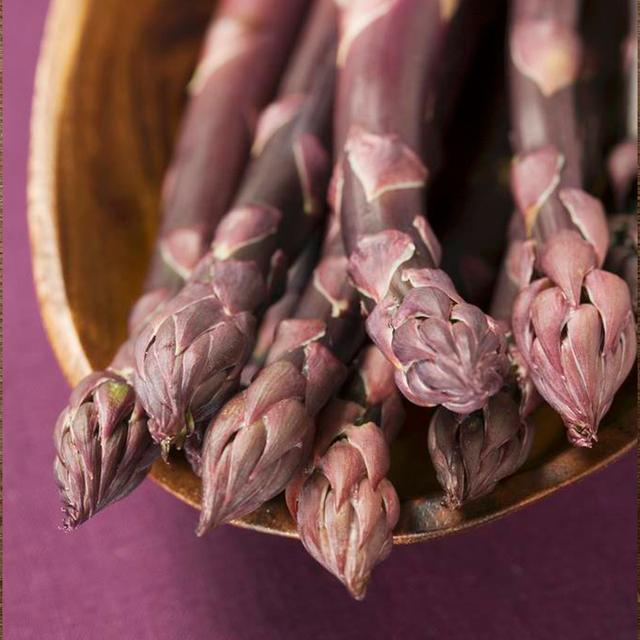
Key points of pollution-free asparagus cultivation techniques in northern Zhejiang
Pollution-free asparagus cultivation measures in northern Zhejiang. Northern Zhejiang is close to Shanghai, Suzhou, Hangzhou and other areas along the Yangtze River Delta, so the asparagus grown there has a broad sales market. In addition, asparagus can promote human digestion, enhance appetite, and has...
-
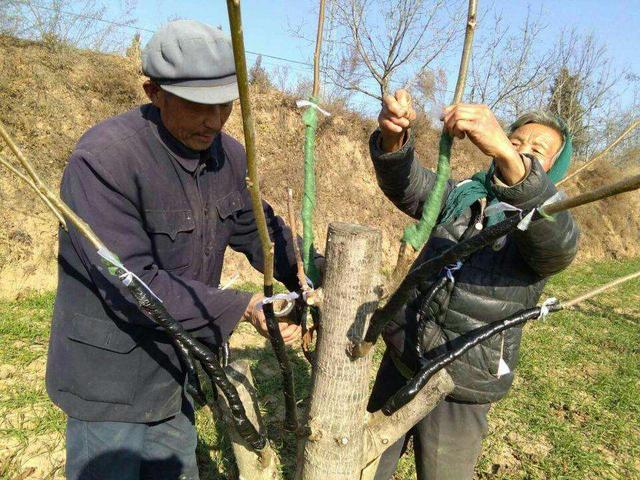
Key Technical Points and Operation Methods for Top Grafting (Top Working) of Fruit Trees
Top Grafting Technology for Fruit Trees I. The Role of Top Grafting in Fruit Trees 1. Using rootstocks to improve resistance, such as using crabapple rootstock to improve the salt-alkali tolerance of apples, and using Beta rootstock to improve the cold resistance of grapes. 2. Replacing inferior varieties with superior ones, which can be applied on a large scale in production...
-

The value of genetically modified technology should not be underestimated; scientific and technological progress drives social development
The topic of genetically modified organisms seems to have never died down in recent years. Science for Agriculture believes that genetically modified technology is just a tool, and how it is used and how much value it can deliver depends on how humans harness it. In this respect, it is...
条件筛选