-
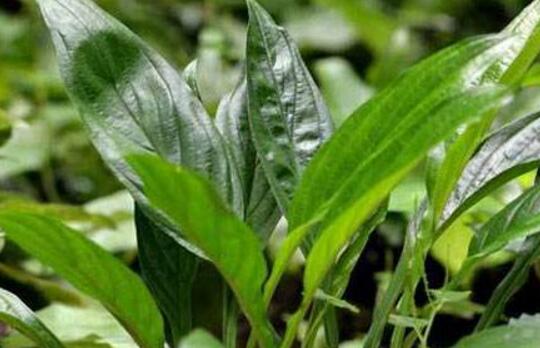
Five Major Benefits and Effects of the Cast Iron Plant, One of the 50 Plants Suitable for Growing Indoors
The Cast Iron Plant is deeply loved for its upright leaves, verdant color, and graceful form, and it is also considered one of the 50 plants suitable for growing indoors. So what are the main benefits and effects of the Cast Iron Plant? Today, we will walk you through them. Traditional Value of the Cast Iron Plant's Benefits and Effects
-
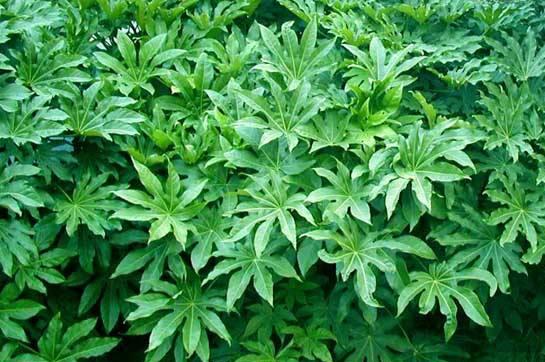
How to grow Fatsia japonica? Cultivation methods and precautions in suitable environments
Because Fatsia japonica has so many uses and benefits, more and more people are growing it. But to keep its leaves large and emerald green year after year, you still need to master the right methods. So how do you grow Fatsia japonica? Here we introduce the cultivation methods and precautions for Fatsia japonica.
-

Which orchid species are suitable for growing at home
According to the different flowering seasons, Chinese orchids can be divided into: 1. Spring-flowering types (Chunlan, Cymbidium goeringii). The main cultivars include: Songmei, Xishenmei, Longzi, Cuiyipin, Wangzi, Cuigaihe, Yingchundie, Xiaodie, Wentunsu, Yuepeisulü, etc. 2. Summer-flowering types (Xialan). These include Huilan (Cymbidium faberi), Tailan, etc.
-
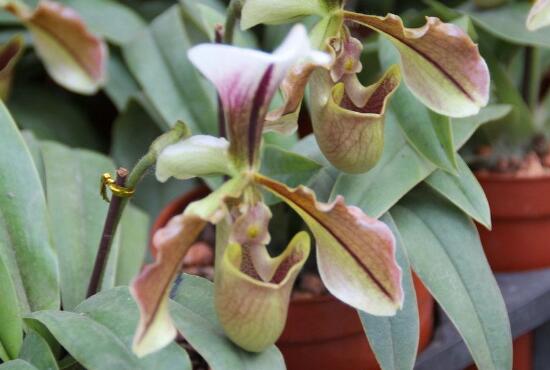
What should you do when pitcher plant leaves turn yellow? Water and fertilize appropriately, and keep the environment stable.
The pitcher plant (Nepenthes) is a relatively uncommon potted plant, and it is loved by many people because it can catch mosquitoes and flies. However, compared with other mosquito-repelling plants such as pitcher plants, night-blooming jasmine (Cestrum nocturnum), and geraniums, far too few people grow pitcher plants, so beginners often run into situations of improper care.
-

What kind of growing environment is suitable for Nanguo pear?
The growing environment of Nanguo pear
-
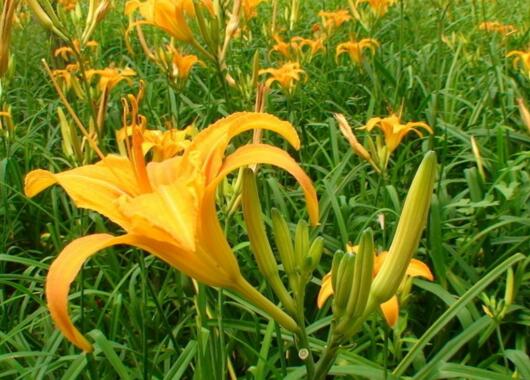
How to Grow Daylilies: Daylily Cultivation Methods and Precautions / Suitable Environment Can Fill a Pot
Because daylilies have so many effects and benefits, quite a few people grow them. They are cultivated in many places in China and can even grow wild. However, if you want to grow them well, you still need certain skills and methods. So how do you grow daylilies? Let's look at the cultivation methods and precautions for daylilies.
-
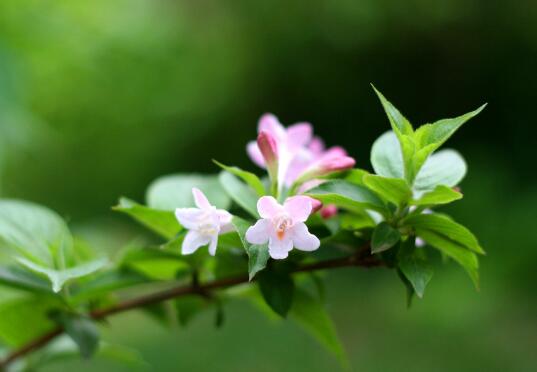
Is Weigela poisonous? Non-toxic and suitable for indoor growing
Weigela is a plant with a wide variety of flower colors, and each color has its own unique beauty, making it a highly ornamental plant. That is why many people want to grow Weigela at home, but many plants are somewhat toxic, so this point needs to be clarified before growing it. Regarding whether Weigela is poisonous
-
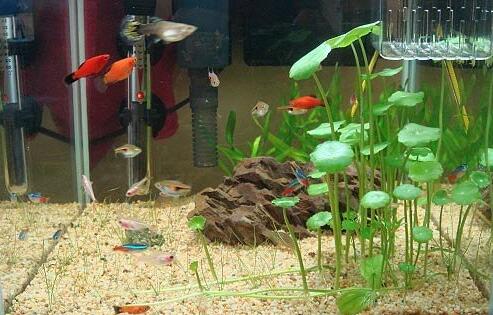
Can Pennywort (Hydrocotyle vulgaris) be grown in a fish tank? With suitable light and the right method, yes.
Pennywort is an amphibious plant that can be grown both on land and in water. It can be cultivated in soil or in water, and its leaves and rhizomes can be completely submerged in water. So some gardening enthusiasts have a question: can Pennywort be put in a fish tank? The answer is yes.
-
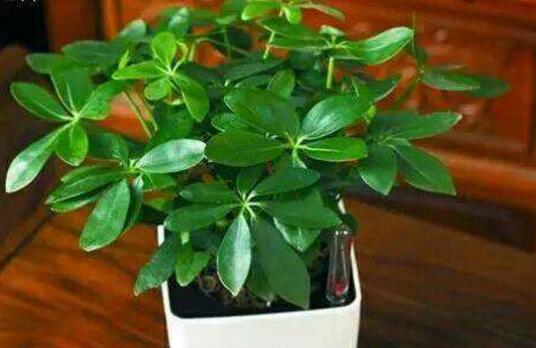
How to grow Schefflera arboricola? Suitable light and the right care methods and precautions
Schefflera arboricola is native to Guangdong in China, South America and other places. Because it is highly adaptable and has many benefits and uses, more and more people are growing it. Although this plant is easy to keep alive, growing it well still requires mastering certain methods.
-
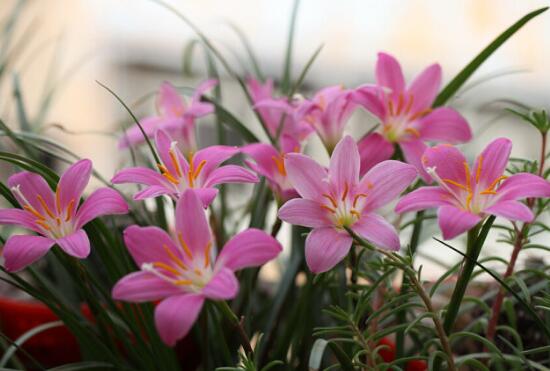
Is rain lily toxic, and is it suitable to put in the bedroom? / Many benefits of keeping it indoors
As a beautiful flower, the rain lily has excellent qualities. First, it looks lovely and is a delight to the eye; second, it purifies the air and beautifies the home, giving us a healthy living environment. Such a plant naturally attracts people's affection, but some say it is toxic! So, is the rain lily toxic?
条件筛选