-

Detailed Explanation of Key Techniques for Super-High-Yield Cultivation of Double-Season Rice in South China
(1) Sow at the right time and cultivate strong seedlings. For early rice, use dry-raised seedlings, with a seeding rate generally of 90 g/m2 and a sowing period in mid-to-late March; for late rice, use sparse sowing for strong seedlings or two-stage seedling raising, with a seed rate of about 1.0 kg per mu. (2) Ridge and bed cultivation. Bed width 3-4 m, ditch width 0.2-0.25 m, and open surrounding ditches well to facilitate water management and field operation management. (3) Wide-row close planting. The planting density is 30-40 hills/sq m, with a row spacing of about 25 cm. Generally, early rice has 3-4 seedlings per hill, and late rice is transplanted as single seedlings or double seedlings, ensuring
-

The training cost for a super soldier king is as high as 1 ton of gold, and there are no more than 20 in the whole country.
There is such a mysterious team. In order to train them, the state spent almost 1 ton of gold on each person! No one on the outside knows about them, and intelligence agencies of various countries cannot obtain specific information about them either. They can only guess...
-
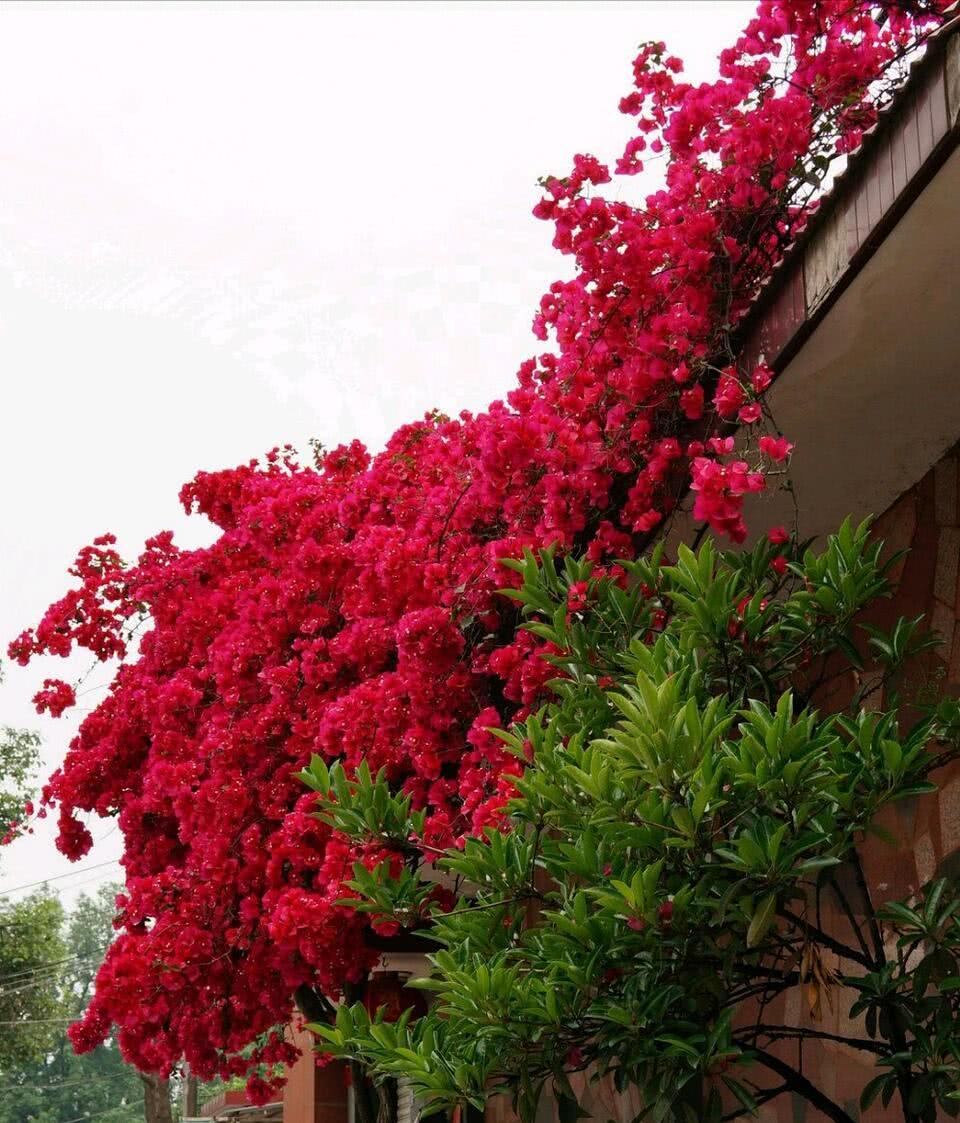
This super-climbing green plant can scale a 10-meter-high wall in one year and instantly turn into a giant flower wall
More and more people enjoy growing and admiring flowers, which enriches their leisure time, decorates the home environment, and fills life with vitality. This plant has extremely strong climbing ability and can climb a 10-meter-high wall in one year, instantly growing into...
-
Information superhighway boosts mountainous agriculture development
Paving an information superhighway for mountainous agriculture
-
Detailed Explanation of Super-High-Yield Cultivation Techniques for Single-Season Rice in Northern China
(1) Use plastic film and special non-woven fabric to cover dry-raised rice seedlings, with the seeding rate controlled within 200 grams per sq m. (2) Transplanting spacing in the paddy field: 30 cm x 16.7 cm to 20.0 cm sparse planting, or (40 cm + 20 cm) x 16.7 cm wide-ridge double-row sparse planting. (3) Apply 60-70 kg of standard nitrogen per mu, 10 kg of diammonium phosphate, and 10 kg of potassium sulfate. (4) Intermittent water-saving irrigation in the paddy field alternating shallow water, wet, and dry conditions. (5
-
Introduction to famous and superior sweet potato varieties: these high-quality varieties are worth knowing about
Which sweet potato varieties to choose depends on market demand, what they will be used for, and also the local cultivation ecological conditions, especially soil-borne diseases. According to trials, virus-free cultivation generally increases yield by 20%-30%, and also improves their appearance and marketability. Therefore, choosing virus-free sweet potato elite varieties is the prerequisite for achieving high sweet potato yields. The overall goal is to select virus-free sweet potato varieties that are resistant to disasters and diseases, high-quality, high-yielding and efficient. Based on the national sweet potato regional trials and many years of production practice, the excellent varieties of various types of sweet potato are introduced below for reference in selection.
-
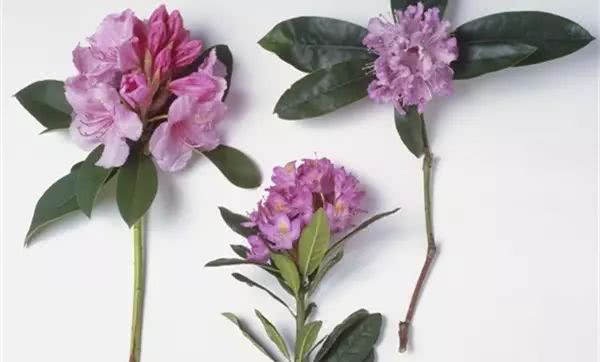
The Three Simplest Cutting Propagation Methods with Super High Survival Rates
Many gardening enthusiasts get a real headache when it comes to cuttings. Cuttings offer many benefits: you don't need to spend money on potted plants, and a segment of stem, a single leaf, or even just a small bud can successfully grow into a plant. But overall, cuttings really test...
-
Detailed Explanation of Super-High-Yield Cultivation Techniques for Shengtai No. 1 Rice
Shengtai No. 1 is a super-high-yield, disease-resistant new variety bred by the Rice Research Institute of the Guangdong Academy of Agricultural Sciences. It passed crop variety approval in Guangdong Province and Shaanxi Province, and received the first-ever subsidy from the Ministry of Agriculture of the People's Republic of China for high-quality and special-purpose new varieties of major crops. When cultivated in Jieyang City, its full growth period is about 132 days for the early crop and about 122 days for the late crop, belonging to the medium-late maturity type suitable for both early and late seasons. Its stem and leaf morphology is coordinated and rational, with a well-developed deep root system, medium-strong tillering ability, good fertilizer tolerance and lodging resistance, suitable for planting in areas with medium or higher fertility, with obvious yield-increasing effects. The panicles are large and long, with dense grain setting, and the panicle-grain structure
-
Early-maturing soybean Chaofeng No. 3: an excellent variety with super-high yield, high resistance and high efficiency
Chaofeng No. 3 soybean is an early-maturing variety with super-high yield, multiple resistance and high efficiency, bred over 8 years by researchers at the Research Institute of Jilin Province Northern Seed Industry Company. This variety overcomes the prominent problems of the past, when large-scale production applications were not high-yielding, had poor internal quality, failed to meet national quality standards, and were prone to pod shattering in dry years, resulting in high but unstable yields and high yields without high returns. In March 2007, it successfully passed provincial certification. Chaofeng No. 3 has a growth period of 110 days, and from sowing to harvest requires an active accumulated temperature of 2300°C
-
Super-high-yield new hybrid japonica rice variety Qiuyou Jinfeng successfully bred
The super-high-yield new hybrid japonica rice variety "Qiuyou Jinfeng", independently bred by Shanghai scientists, after 3 years of production demonstration planting, reached a per-mu yield of 801.9 kg, and has recently passed expert acceptance inspection. On December 31, 2006, a reporter learned at the Shanghai Minhang District Agricultural Science Research Institute that the cultivation of the excellent variety "Qiuyou Jinfeng" uses the genetic differences between the two parents of indica rice and japonica rice, with an excellent late japonica sterile line as the female parent, and selects excellent indica rice and excellent japonica rice restorer lines as the male parent, through "indica-japonica bridging" technology, applying
条件筛选