-
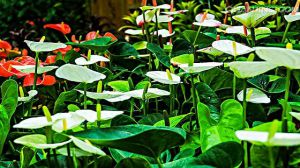
How to Repot and Transplant a Peace Lily: Detailed Method and Steps
A peace lily needs repotting once every one to two years. Choose spring, from March to May, and preferably an overcast day. First take the plant out of its pot, then clean the roots. Next place it in a planting basket and secure it well. Choose a new pot suited to its size and put it in. After that, water it thoroughly.
-
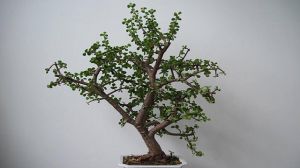
How to propagate Portulacaria afra (elephant bush) from cuttings? Detailed method and steps
The best time for cuttings is spring and autumn, when the survival rate of the roots is relatively high. When doing it, choose a slightly older branch, preferably one with leaves on it, trim the length to about 10 cm, leave the branch in a cool, ventilated place to dry, then insert it into a sand bed. Do not water it for the first week, and it will take root in about half a month.
-
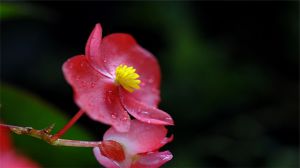
How to sow wax begonia seeds? Detailed sowing methods and steps
To sow wax begonia, choose a flower pot that has good air and water permeability and is slightly shallow, along with loose, nutrient-rich soil, and choose April or May as the sowing time. When sowing, first put the coarser soil in the lower part of the container, then mix the seeds with finer soil and scatter it on the surface of the potting soil, and finally cover it with a layer of plastic film.
-
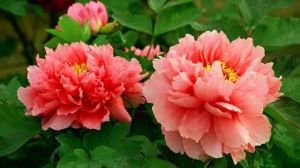
A detailed guide to sowing tree peony seeds: the key steps from sowing to seedling emergence
To sow tree peony seeds, choose a slightly larger container with good drainage, then collect its seeds in early August and soak them in warm water to break dormancy. After that, scatter the seeds into soil mixed with organic fertilizer, and cover with a layer of plastic film.
-
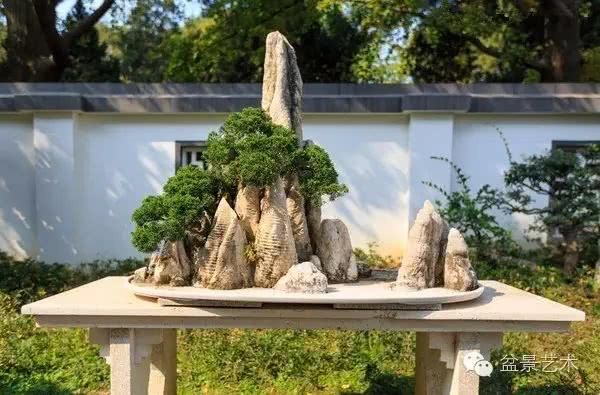
Detailed explanation of rockery bonsai making methods, teaching you step by step how to do it
The shapes of rock-and-stone bonsai can be roughly divided into five types: independent style, weighted-to-one-side style, opening-and-closing style, scattered style, and overlapping style. Bonsai making can be divided into the following steps: (1) Choosing a pot. Bonsai places great emphasis on the enhancement provided by the pot and stand. Pots generally include purple clay pots...
-
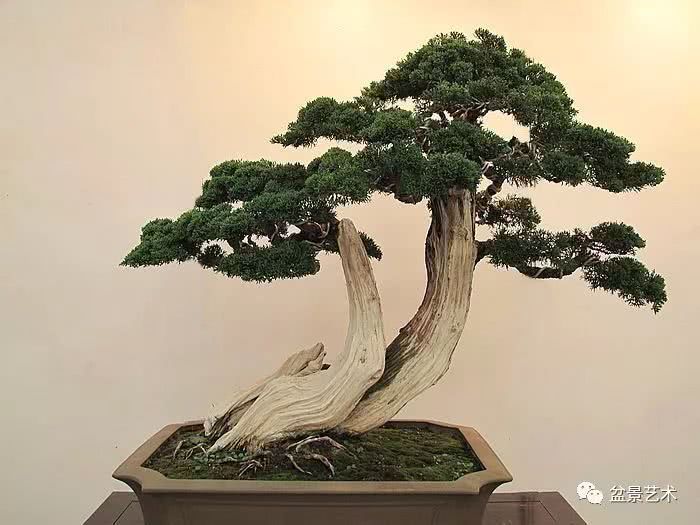
Detailed Guide to the Making Method and Steps of a Blue Star Juniper Bonsai
(1) Botanical Knowledge Belongs to the Cupressaceae family, Juniperus genus. An upright shrub, much branched; leaves are all needle-like, covered with white powder on both upper and lower surfaces, glossy, appearing turquoise-blue, mostly clustered upright and upward. Dioecious, flowers and fruits borne singly in leaf axils, fruit ellip...
-

Gardenia Bonsai Root Rot and Withered Branches and Leaves: Follow These Five Steps and Survival Is Really Easy
What should you do when a gardenia bonsai has root rot and withered branches and leaves? The treatment method has five steps in total. Once these five steps are done well, survival should not be much of a problem. Step one: remove the gardenia's potting soil, prune off the rotten roots, and do not keep even a little bit of rot...
-
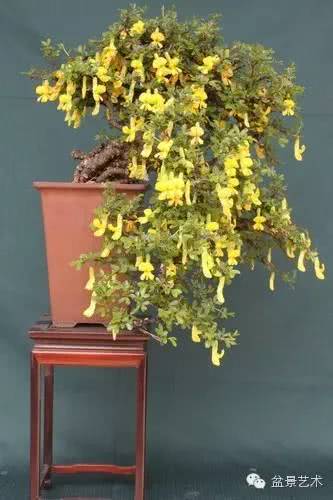
How to make a Caragana sinica bonsai? A step-by-step guide to the method
Caragana sinica gets its name because its golden-yellow flowers resemble a sparrow spreading its wings to fly. It also has other aliases such as peashrub, Feilai Feng, Qun Que and leopard-skin whip, and is a deciduous small shrub of the genus Caragana in the Fabaceae family. The plant grows about 1.5 m tall, with an iron-blackish-brown trunk that is upright...
-
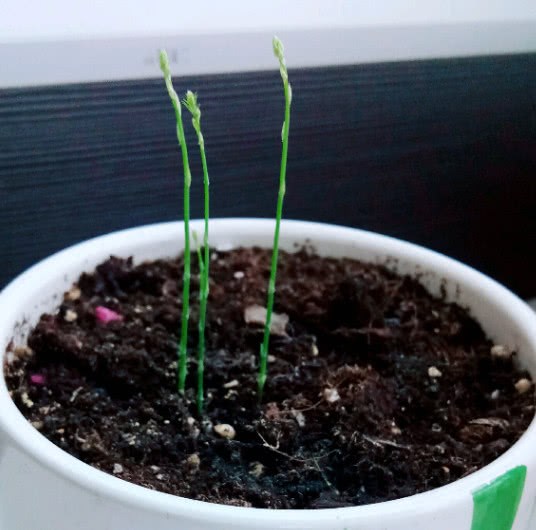
Asparagus fern turning yellow and on the verge of death, one simple step can bring it back to life, with lush green leaves
Asparagus fern (Asparagus setaceus) is an ideal potted plant for decorating the home. It stays green all year round, with distinct layers of leaves, lush and emerald green. But when caring for asparagus fern, yellowing and withered leaves can also occur, making it feel like it is about to die! Do this, one simple step, and it can not only bring it back from the dead...
-
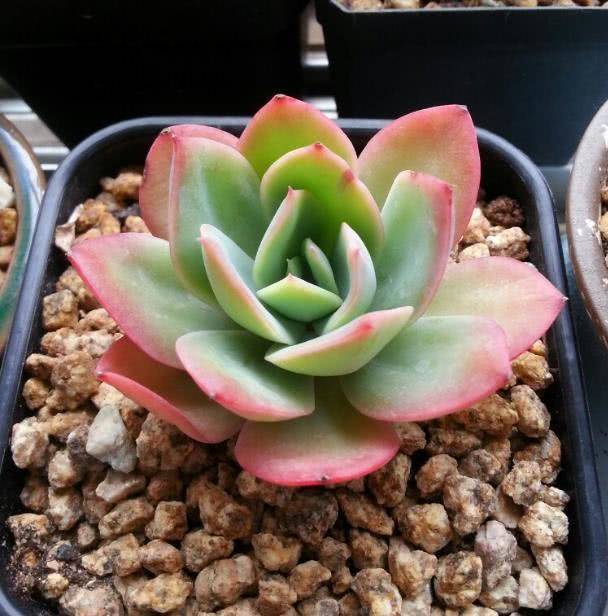
How to treat scale insects on succulents: a few simple steps to stop the pest from happening again
Some flower lovers say that the succulents they grow always have scale insects, and it feels like they can never be cleaned out completely; to avoid infecting the others, they quickly throw them away together with the soil. A few days ago I saw that the Echeveria 'Herbst' (Yudie) had them too, but not many, so I picked them off one by one with tweezers. Black Prince...
条件筛选