-

After spring tea is picked, the tea plant branches and stems need even more protection
Whether or not tea plants are managed after the spring tea harvest makes a big difference, because after the spring tea harvest the plant body has already consumed a large amount of nutrients. If management cannot keep up at this time, it will not only affect the yield and quality of summer and autumn tea, but also affect the yield and quality of next year's spring tea. Based on our farm's practical experience, the following key points should be carried out after the spring tea harvest: 1. Reasonable topdressing. According to measurements, producing every 50 kg of dry tea requires absorbing about 2.5-3 kg of nitrogen, 0.9-1.2 kg of phosphorus, and 1.1-1.5 kg of potassium from the soil. Between the tea plants, 30 cm
-
Antidote to snakebite hidden in the immune system
New research suggests that immune cells called mast cells help protect mice from certain snakebites and bee stings. Although mast cells are best known for their role in helping produce the symptoms of anaphylactic shock, asthma and allergies, scientists also recognize other supporting roles these cells play in the immune system's fight against infection. The venom of many insects and reptiles contains chemicals that can activate mast cells, so researchers generally believed that mast cells' role was to worsen the harm of snakebites or insect stings.
-
Wheat stem maggot
Scientific name Meromyza saltatrix Linnaeus, order Diptera, family Chloropidae. It is distributed from Heilongjiang, Inner Mongolia, ** in the north, south to Guizhou and Yunnan, and west to ** and Tibet. It also occurs in Hainan in Qinghai and the Garze and Aba regions of Sichuan. Damage is more severe in **, Inner Mongolia, Ningxia, as well as parts of Hebei, Shanxi, Shaanxi, and Gansu. Hosts include wheat, barley, oats, alkali grass, and cogongrass. Damage characteristics: the larvae bore into the stems of wheat and other hosts to feed.
-
Detailed Explanation of Systematic Prevention Methods for Fish and Shrimp Diseases
Systematic prevention of fish and shrimp diseases refers to taking preventive measures from the fry stocking stage until before the adult fish are harvested, consistently controlling the occurrence and development of fish diseases. The occurrence of fish and shrimp diseases is the result of the combined action of the organism and external factors, among which infection by pathogenic microorganisms is an important factor leading to fish and shrimp disease. Since the aquaculture water environment contains pathogenic microorganisms such as viruses, bacteria, fungi, and parasites, once the environment deteriorates and the resistance of the fish and shrimp organism declines, pathogenic microorganisms will massively invade the fish body, causing disease outbreaks. There
-
Key Cultivation Techniques for the Rice-Rice-Oilseed Rape Triple Cropping System
No-Till Direct Seeding Technique for Oilseed Rape in Paddy Fields The no-till direct seeding technique for oilseed rape in paddy fields is a cultivation method in which oilseed rape is sown directly without plowing after the previous rice crop is harvested. This technique features full utilization of temperature and light resources, improved land utilization rate, reduced labor intensity, and significant economic benefits. Based on demonstration planting results, this technique is suitable for large-scale promotion in our county. I. Four Major Advantages of No-Till Direct Seeding of Oilseed Rape: 1. Labor-saving and cost-saving. For one mu of paddy field, the labor required for ditching, fertilizing, sowing, and pesticide application is only 2-3 working days; the cost of seeds, fertilizers, and pesticides does not exceed 100 yuan
-
Raising pigs and chickens in a layered, combined system yields high profits and is worth learning from for farmers.
It is reported that this good method of raising pigs and chickens in a layered, combined system was first promoted and used in rural areas across Shanxi in 1998. Seven years later, this rearing method has been widely promoted in most rural areas of our country and has achieved good economic and social benefits. According to farmers using the combined pig-chicken system, in a combined pig-chicken house of about 32 sq m, using the raised-bed cage method (chickens on the upper layer, pigs on the lower layer), the upper layer can raise about 180 to 200 laying hens, and the lower layer can raise 6 to 8 fattening pigs (or 10 to 15 piglets), with the pigs directly pecking at and eating fresh chicken manure.
-
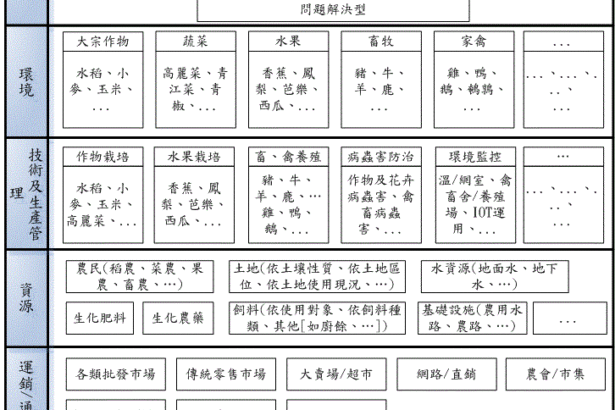
How to establish a goal-oriented systematic review framework for agricultural development and transformation
Establishing a goal-oriented systematic review framework for agricultural development and transformation
-
Codonopsis stems and leaves are a high-quality feed with high nutritional value.
Codonopsis is a valuable traditional Chinese medicinal herb, with its dried roots used as medicine; it has the effects of tonifying qi and nourishing blood, harmonizing the spleen and stomach, promoting fluid production, and clearing the lungs. Its stems and leaves were often discarded in the past. However, in recent years, research has found that Codonopsis stems and leaves contain volatile oils, various amino acids, macro- and trace elements, alkaloids, starch, and more. Farmers at the Sifangpa medicinal herb farm in our county dry and crush the stems and leaves, then add them to feed at a ratio of 20-30% to feed pigs, producing a clear weight-gain effect. When used to feed poultry, not only are the egg-laying rate, egg production, and average egg weight increased, but tests also show that the cholesterol content is somewhat reduced.
-
What are the symptoms of hollow-stem white-core mushrooms?
Symptoms: The mushroom stipe tissue is not solid, with a white, loose pith appearing inside; after the fruiting body dries or is cooked, the pith shrinks or falls away, becoming hollow. Causes: This is mainly due to improper water management. If the air humidity in the mushroom house is low and the moisture of the casing soil is low, especially when the water content of the coarse casing layer is insufficient, the rapidly growing fruiting bodies cannot obtain enough water from the soil layer, and the transport and supply of nutrients are also reduced. In addition, the fruiting body's own water continuously evaporates, causing a lack of water in the middle of the stipe and loose tissue, resulting in
-
Causes and Control Methods of Hollow Stems with White Cores in Mushrooms
Symptoms: The mushroom stem tissue is not solid, with a white, loose pith appearing inside; after the fruiting body dries or is cooked, the pith shrinks or falls away, becoming hollow. Causes: This is mainly due to improper water management. If the air humidity in the mushroom house is low and the soil layer humidity is low, especially when the water content of the coarse soil layer is insufficient, the rapidly growing fruiting bodies cannot obtain sufficient water from the soil layer, and consequently the transport and supply of nutrients are also reduced. Combined with the continuous evaporation of water from the fruiting bodies themselves, this causes a lack of water in the middle of the stem and loose tissue, thereby
条件筛选