-
What are the prevention and control methods for orchid stem rot?
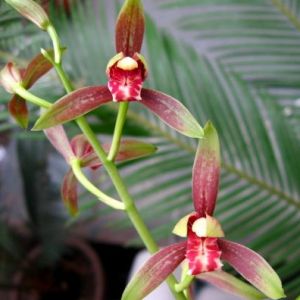
The color flower "Half-Gram Red" from Rong County usually blooms with only a "half" red, so orchid growers in Rong County call it "Half-Gram Red". Most of the seedlings were taken by the greenhouse and named "Flower-Heart Radish".
-

What are the four major factors that cause stem rot in orchids?
In the process of growing orchids, nothing hits growers harder than stem rot, especially during the high-temperature weather of the four months of June, July, August and September. By the time you notice blackening, yellowing or wrinkles on the leaves of the orchid plant, it is all too late; even if Hua Tuo were alive, there would be no power to turn the tide, and the whole lot will still be wiped out and gone forever. If what dies...
-
Identification and Control Methods for Soft Rot and Stem Rot
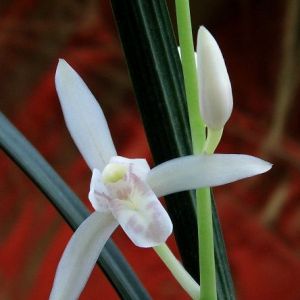
A newly collected white-flowered variety (collected in Pingyuan, Meizhou), with snow-white outer petals and a faint red blush on the petals and lip, like a shy young girl~~
-
How to care for Cymbidium faberi so its flower stems grow upright and straight
Cymbidium faberi blooms only once a year. After seeing many orchid growers' Cymbidium faberi in bloom recently, not many have really straight flower stems. A few thoughts: First, I have found that Cymbidium faberi on the mountain basically all have straight flower stems unless they have been subjected to external force. Second, for Cymbidium faberi in large pots, if the owner does not move them around often, the flower stems are basically straight. Summary: while the flower stem is growing taller...
-
What is going on when water in the leaf core causes stem rot and soft rot?
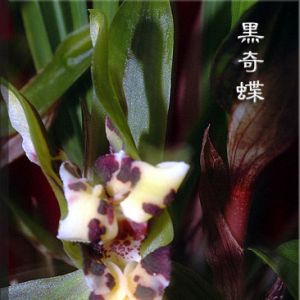
Won the Special Gold Award at the 14th (Yuxi) Orchid Expo of China and the Gold Award at the 4th (Kunming) Orchid Expo of Yunnan. Grower: Zhao Jiaxing
-

Introduction to Identifying Symptoms of Orchid Stem Rot and Its Prevention and Treatment Methods
For the prevention and treatment of orchid stem rot, prevention comes first, treatment second; prevention is key, and treatment can only be called rescue. In summer and autumn, with frequent rain and high humidity, orchids are especially prone to stem rot infection, making this an important stage for preventing the disease. Ventilation should be increased, and the orchid-growing area should be regularly sterilized. Starting from May, fungicides (carbendazim, chlorothalonil, junbingqing, Score, etc.) should be sprayed once a week for sterilization, including foliar spraying and comprehensive spraying of the orchid-growing area; the foliar spray should be slightly dilute, and the site spray slightly concentrated. Through years of practice, the author has found that this method can effectively prevent the occurrence of stem rot. [Treatment Methods] First, pull out the entire pot of orchids, wash them clean, and cut off both the diseased plants and the already infected orchid plants...
-
How do you grow orchids? Getting the root system healthy comes first
Roots are the foundation of all growth and the main part through which plants absorb nutrients. If the roots are not well cared for, then the flower or tree will certainly not grow very well. Among flowering plants, the roots of orchids are especially important. But keeping orchid roots healthy is not an easy thing....
-
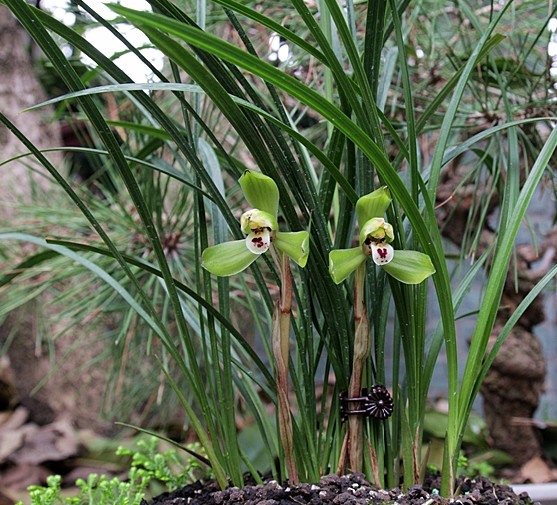
What is the relationship between orchid stem elongation and temperature difference and light?
Yingchun (Welcoming Spring), discovered in 1989 at Lanting, Shaoxing. Selected, bred and named by Ye Zhiqing. This flower is excellent in flower shape, flower color, flower keeping quality and flower stem height; only the leaves are slightly long. Yingchun is not widely circulated among orchid enthusiasts, and it can even be said to be little known, which is quite a pity!
-
What are the aesthetic standards for orchid flower stems?
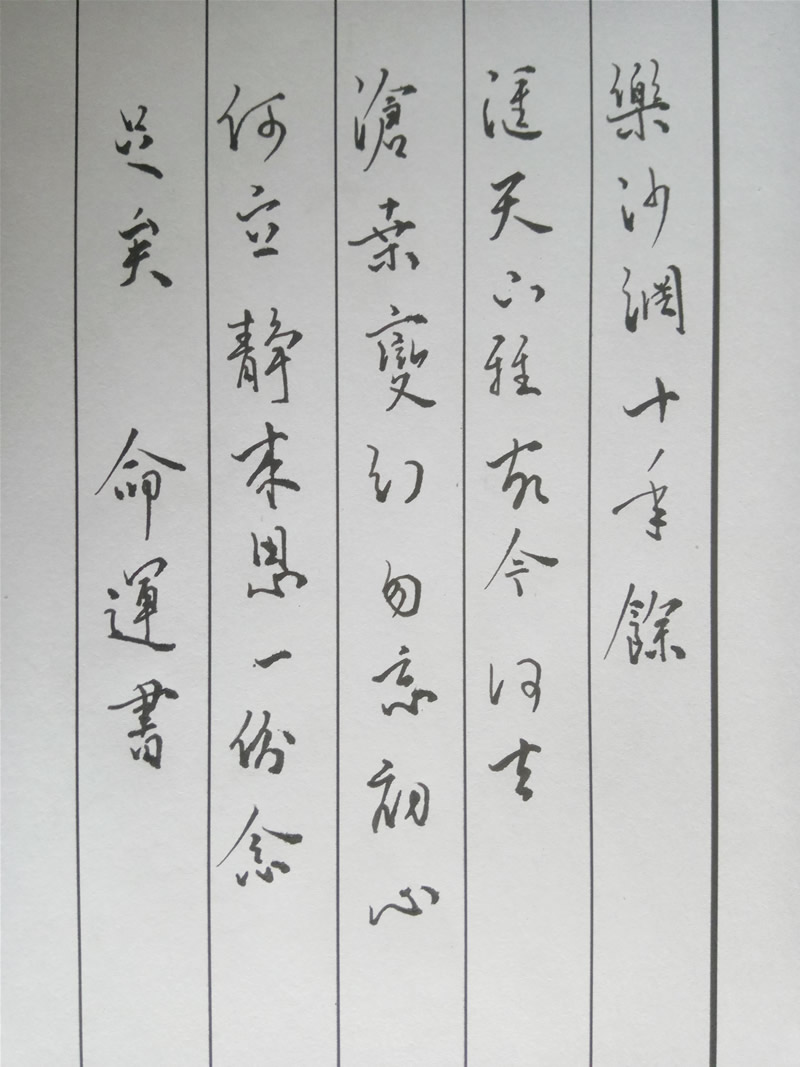
Lesha Network, over ten years, gathering elegant guests from all over the world. Where has it gone today? Through the vicissitudes of change, do not forget the original aspiration. How to stand firm! In quiet reflection, a single thought, and that is enough!
-

This easy-to-grow flower can be propagated from cuttings: cut 1 stem into 8 segments, and it roots as soon as it goes into the pot.
Since the Chinese New Year, temperatures have gradually risen, and flower lovers can no longer hold back their hands and are getting ready to take cuttings! Plants like snake plant (Sansevieria), pothos (Epipremnum aureum), and kalanchoe (Kalanchoe blossfeldiana) need no effort at all: just 1 stem, gently cut into 8 segments, tossed into a pot, and they live. Turning 1 pot into 100 pots is not a dream at all!
条件筛选